
Insulation Installation Cost Guide: What Austin Homeowners Pay in 2026
Many Austin homeowners are surprised to learn their energy bills could be slashed by up to 30% with proper insulation, yet they often overspend or underspend due to a lack of local cost clarity. The biggest mistake we see? Relying on national averages that don’t reflect Austin’s unique climate and building materials. Understanding the true cost involves more than just square footage; it’s about the type of insulation, the complexity of your home’s structure, and even the specific neighborhoods in Austin we’re serving. Getting this right from the start saves you money and ensures your home stays comfortable year-round, from those scorching summer days to our occasional chilly winter snaps.
Factors Influencing Insulation Costs in Austin
When we break down insulation installation costs for our Austin neighbors, several key factors come into play, each with its own impact on the final price. The size of your home is the most obvious driver, measured in square feet. However, the R-value you’re aiming for is equally critical. Higher R-values, which indicate greater resistance to heat flow, generally require more material or a more advanced type of insulation, thus increasing the cost. For instance, achieving an R-value of R-38 in an attic, a common recommendation for Austin’s climate, will cost more than an R-19 in a crawl space. We also consider the accessibility of the areas to be insulated. An open, unfinished attic is far simpler and quicker to insulate than a tightly packed, finished wall cavity or a crawl space filled with ductwork and plumbing. These complexities directly affect labor time, a significant component of the overall expense. The specific type of insulation chosen is, of course, a major cost determinant. We’ll delve into these types next, but it’s important to remember that what works best for a historic home in Hyde Park might differ from what’s ideal for a newer build in Leander, and that affects pricing.
Understanding Different Insulation Types and Their Austin Pricing
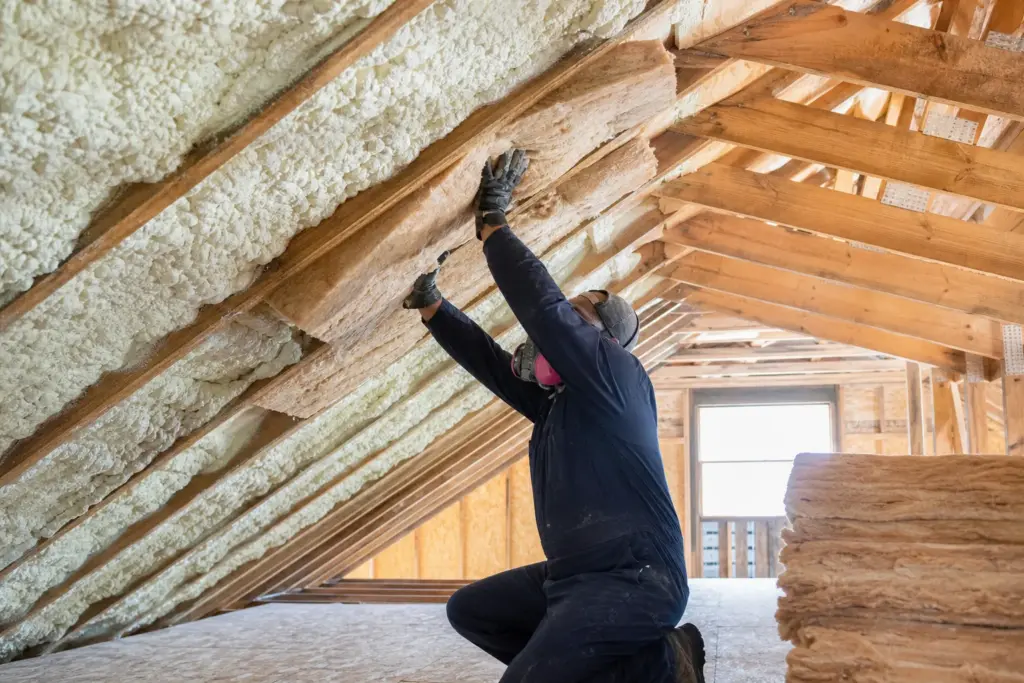
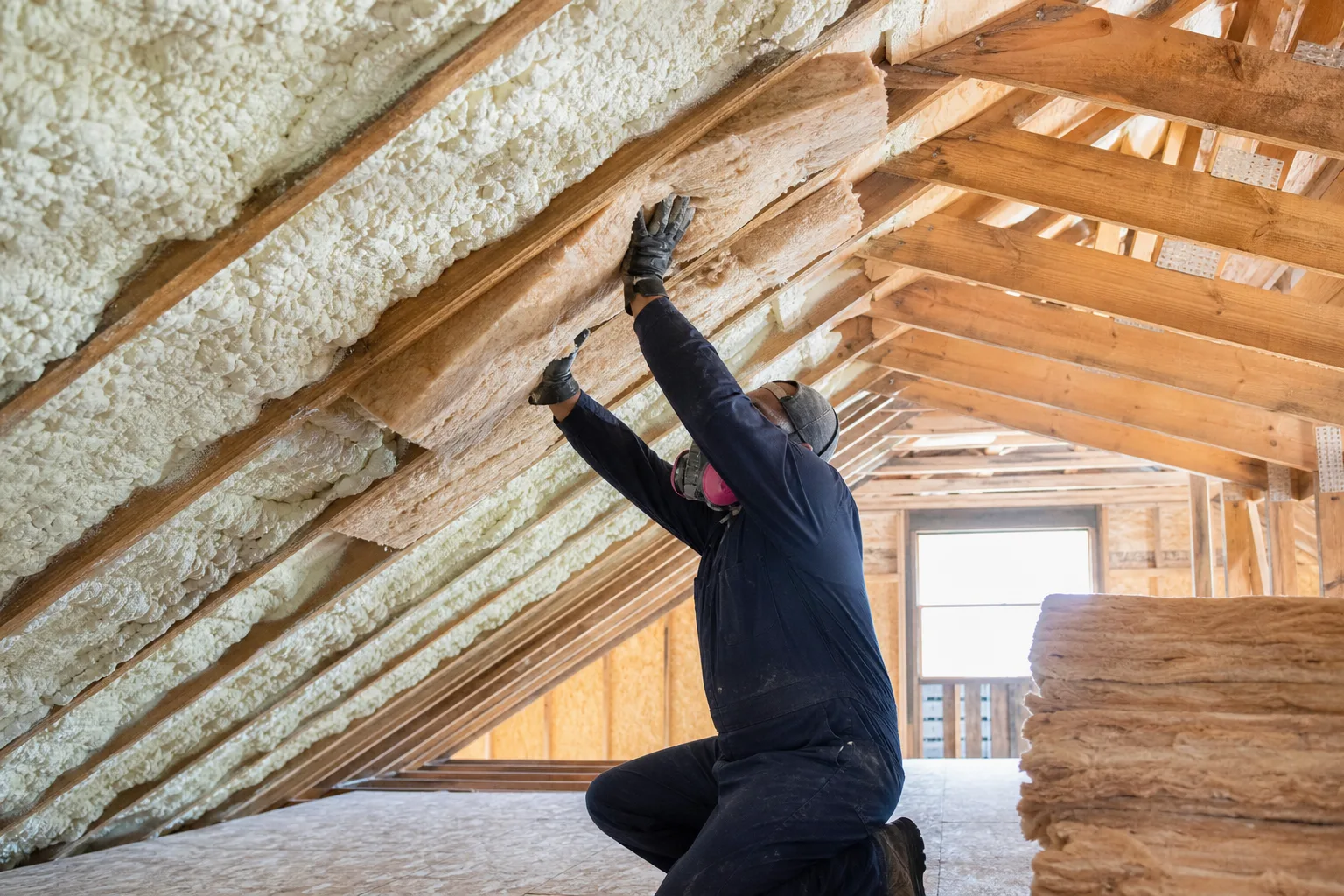
The world of insulation offers a variety of materials, each with its own strengths, weaknesses, and, crucially, cost implications for Austin homeowners. Fiberglass batts and rolls, perhaps the most common, offer a budget-friendly option. For a typical Austin home, you might see costs ranging from $1.00 to $2.50 per square foot installed for basic fiberglass, depending on the R-value. Blown-in fiberglass or cellulose (made from recycled paper) are excellent for filling irregularly shaped spaces and attics. These typically run a bit higher, perhaps $1.50 to $3.50 per square foot, offering better air sealing and thermal performance, which is vital for our hot Austin summers. Spray foam insulation, particularly closed-cell foam, provides the highest R-value per inch and creates a superior air barrier. While it’s the most expensive option upfront, often ranging from $3.00 to $7.00 per square foot or more, its long-term energy savings and air-sealing benefits make it a compelling choice for many Austin residents, especially in areas prone to significant temperature fluctuations. For example, insulating a garage in South Austin with closed-cell spray foam for added climate control would fall into this higher range but provide exceptional comfort and energy efficiency. We often recommend Owens Corning fiberglass or Johns Manville products for their reliability and availability, while Knauf and CertainTeed offer excellent alternatives. For blown-in applications, GreenFiber is a popular choice. When considering Rockwool (mineral wool) batts, they offer excellent fire resistance and sound dampening, with pricing similar to high-density fiberglass.
Local Austin Neighborhoods and Their Insulation Nuances
The specific neighborhood in Austin where your home is located can subtly influence insulation costs and considerations, beyond just the square footage. For example, older homes in areas like Travis Heights or West University might have unique architectural challenges – older wiring, irregular stud spacing, or less accessible attic joists – that can increase labor time and therefore cost. In contrast, newer developments in areas like Steiner Ranch or Round Rock might feature more standardized construction, potentially streamlining installation. We’ve also observed that homes in flood-prone areas near the Colorado River, such as parts of East Austin, might require specific considerations for moisture resistance in their insulation choices, potentially leaning towards closed-cell spray foam or specially treated fiberglass, which can impact the price. Furthermore, the age of the home often dictates the original insulation, if any. A 1950s bungalow in Hyde Park might have very little or outdated insulation, requiring a more comprehensive removal and replacement process compared to a 1990s build in Cedar Park. Understanding these local nuances allows us to provide more accurate quotes and recommend the most effective solutions for each unique Austin property. Our experience across neighborhoods like Allendale, Bouldin Creek, and Tarrytown has shown us that no two homes are exactly alike, and pricing reflects these specific site conditions.
Estimating Your Total Insulation Project Cost in Austin
To give you a clearer picture of what you might expect to pay for insulation installation in Austin, let’s consider some common scenarios. For a modest-sized home, say 1,500 square feet, needing attic insulation with a mid-range R-value (R-38), using blown-in cellulose, you could anticipate a cost in the ballpark of $2,000 to $3,500. If that same home opted for closed-cell spray foam in the attic for maximum performance, the cost could jump to $4,500 to $7,000 or more. For a larger home, around 2,500 square feet, the attic insulation costs would naturally increase. Blown-in cellulose might range from $3,000 to $5,000, while spray foam could be anywhere from $7,500 to $12,000+. It’s crucial to remember these are estimates for Austin’s market in 2026. Other factors that add to the cost include insulating walls, crawl spaces, or rim joists, as well as the potential need for mold remediation or pest control before new insulation can be installed. We also factor in material delivery and disposal. For specialized applications, like insulating a pole barn in the outskirts of Austin or a specific room for soundproofing using Rockwool, pricing would be quoted on a project-by-project basis. Our goal is always to provide transparent pricing based on your home’s specific needs.
Maximizing Your Investment: Rebates and Long-Term Savings
Investing in quality insulation for your Austin home isn’t just about the upfront cost; it’s about maximizing your return through energy savings and potential rebates. Many homeowners in Austin are unaware of the incentives available that can significantly reduce the net cost of insulation upgrades. Austin Energy, our local utility provider, often offers rebates for energy-efficient home improvements, including insulation. These programs can provide hundreds of dollars back, making a high-performance insulation upgrade much more affordable. We actively help our clients navigate these rebate programs to ensure they get the most value. Beyond immediate savings, the long-term benefits are substantial. Properly insulated homes in Austin require less energy for heating and cooling, leading to consistently lower utility bills year after year. This not only saves money but also reduces your home’s carbon footprint, aligning with the growing environmental consciousness in our city. For instance, a well-insulated attic in a home in the 78704 zip code can reduce cooling costs by as much as 15-20% during our intense Austin summers. We’ve seen clients experience payback periods of just a few years on their insulation investments, thanks to a combination of reduced energy consumption and available rebates. Brands like Icynene and Demilec offer high-performance spray foam solutions that often qualify for these energy efficiency programs.
The Bottom Line
The cost of insulation installation in Austin in 2026 is a dynamic figure influenced by home size, desired R-value, insulation type, and installation complexity. While national averages can be misleading, understanding local factors—from Austin’s climate to neighborhood specifics—provides a much clearer picture. Generally, expect to invest between $1.00 and $7.00+ per square foot, with spray foam being the premium option and fiberglass batts the most budget-friendly. However, the long-term savings on energy bills and potential rebates can significantly offset the initial outlay. If you’re in Austin and need help navigating these options to find the perfect insulation solution for your home, Super Green Insulation Austin offers free estimates — call (866) 434-2901.
Frequently Asked Questions
The average cost to insulate an attic in Austin typically ranges from $2,000 to $5,000 for blown-in options like cellulose or fiberglass, and can go from $4,500 to $12,000+ for high-performance spray foam, depending on the size of the attic and the R-value achieved.
Yes, insulation costs can vary slightly by Austin neighborhood due to differences in home age, construction complexity, and accessibility, which affect labor time. Older homes in established areas might present more challenges than newer builds.
For Austin’s hot climate, spray foam insulation (both open and closed-cell) is often considered the best due to its superior air-sealing capabilities and high R-value per inch, significantly reducing heat transfer. Blown-in cellulose or dense-pack fiberglass are also effective and more budget-friendly options.
Yes, Austin Energy and other utility providers in the Austin area frequently offer rebates for homeowners who upgrade their insulation to improve energy efficiency. We can help you identify and apply for these programs.
Written by the team at Super Green Insulation Austin, serving Austin since 2010.
Need Insulation Help?
Call Super Green Insulation Austin — licensed & insured, here with fast after-hours help in Austin.
(866) 434-2901