
Insulation Services in Downtown & Central Austin, TX
On a July afternoon in Hyde Park, attic temperatures in an uninsulated 1930s craftsman bungalow can push past 150°F — while the open crawl space underneath radiates heat up through the uninsulated floor at the same time. That’s the reality Tom Hopkins and the Super Green Insulation Austin team have been walking into since 2010, and it’s exactly the kind of problem we were built to solve. If your home or converted space in Downtown & Central Austin is running hot, expensive, or uncomfortable, call us at (866) 434-2901 — we’re typically on-site within one business day.
Why Downtown & Central Austin Homeowners Choose Super Green Insulation Austin
Sixteen years ago, Tom Hopkins started doing insulation work in the older central neighborhoods of Austin because he recognized that no one was addressing the specific challenges of pre-war construction in a Zone 2A climate. Today, Super Green Insulation Austin holds 784 verified reviews averaging 4.9 out of 5 stars — many of them from homeowners right here in Downtown & Central Austin who were fed up with sky-high Austin Energy bills and contractors who didn’t understand pier-and-beam or balloon-frame construction.
We’ve worked extensively in West Campus rental duplexes and Hyde Park foursquares alike. Our crews know how to navigate tight crawl spaces under 1940s slabs, how to air-seal knob-and-tube-era wall penetrations without disturbing original plaster, and how to meet Austin Energy’s rebate documentation requirements so our customers actually collect what they’re owed. That combination of local knowledge and technical depth is why Downtown & Central Austin residents keep recommending us to their neighbors.
Insulation Services We Offer in Downtown & Central Austin
Insulation Installation
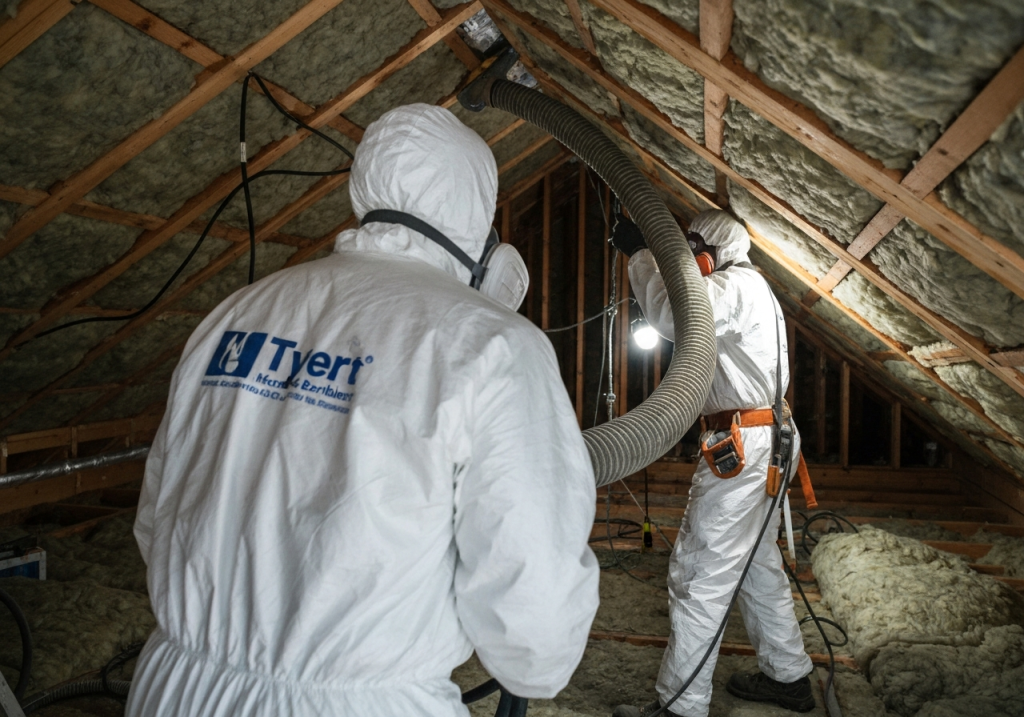
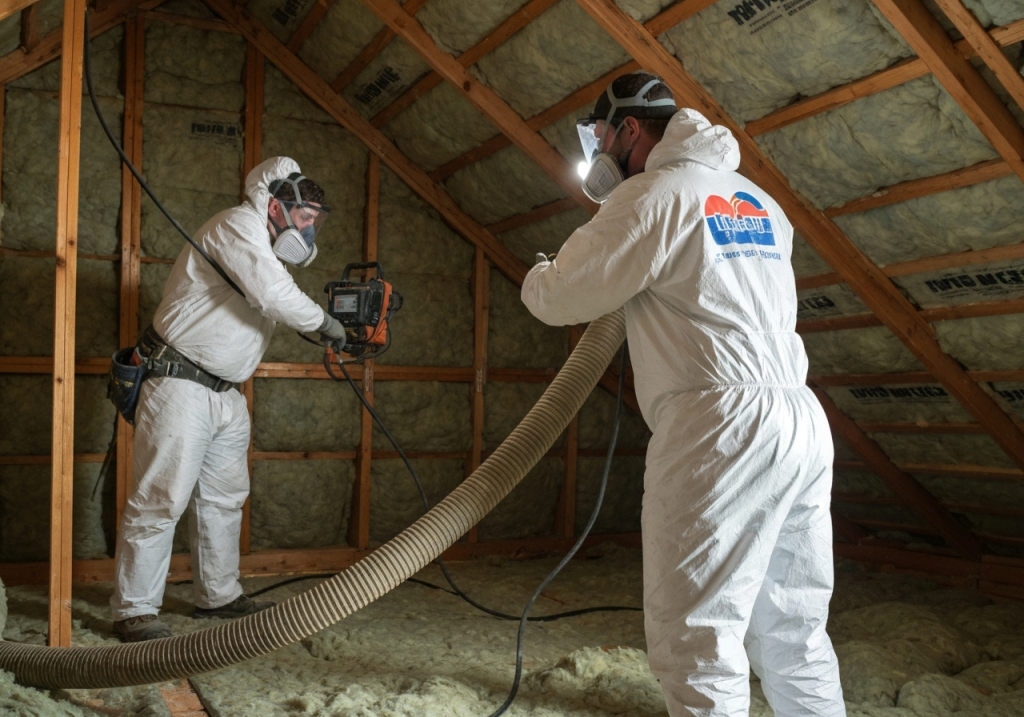
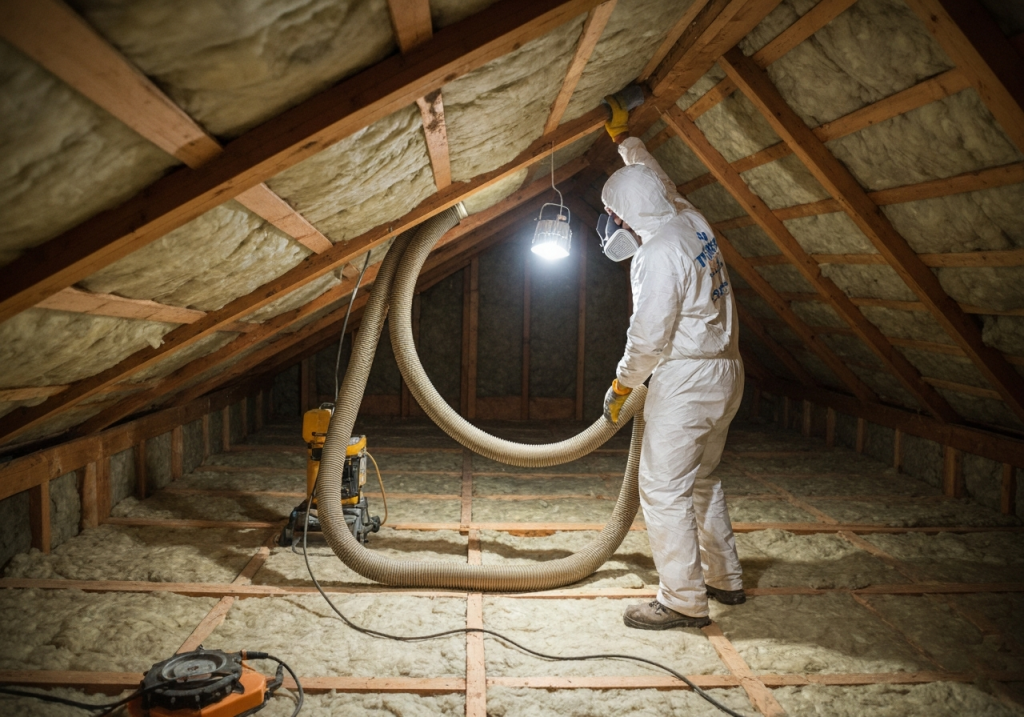
From blown-in Owens Corning fiberglass and GreenFiber cellulose for attic top-ups to Icynene open-cell spray foam for sealing the complex roof lines common in older Downtown & Central Austin homes, we match the right product to the right assembly. In West Campus rental properties — where landlords are often balancing budget against Austin Energy rebate eligibility — we regularly spec Johns Manville or Knauf batts for wall cavities that have been opened for other renovation work, getting maximum R-value per dollar without triggering unnecessary disruption.
Learn more about our Insulation Installation in Downtown & Central Austin.
Attic & Crawl Space Restoration
The pier-and-beam homes concentrated in Hyde Park and West Campus face a thermal challenge that slab-on-grade suburban construction simply doesn’t: simultaneous radiant attack from above and below. Our attic and crawl space restoration work addresses both ends — removing degraded or rodent-contaminated insulation, air-sealing bypasses, and installing Demilec closed-cell spray foam or Rockwool rigid board under the floor deck to break that sandwich effect once and for all. No HVAC upgrade can compensate for an uninsulated floor assembly sitting above an open crawl space in a Downtown & Central Austin summer.
Learn more about our Attic & Crawl Space Restoration in Downtown & Central Austin.
Moisture & Radiant Barriers
Austin’s IECC Climate Zone 2A designation means humidity management is every bit as important as R-value — and in the urban heat island of Downtown & Central Austin, where summer ambient temps run 5–8°F above suburban readings, radiant barriers in attic assemblies deliver measurable, immediate relief. We install CertainTeed vapor retarders and reflective radiant barriers engineered for hot-humid conditions, particularly in the Warehouse District’s converted brick buildings, where uninsulated masonry walls create both a thermal mass problem and a significant vapor-drive risk without proper barrier placement.
Learn more about our Moisture & Radiant Barriers in Downtown & Central Austin.
Neighborhoods We Serve in Downtown & Central Austin
Our crews work throughout the urban core, including ZIP codes 78701, 78703, 78705, and 78712. The neighborhoods below represent the bulk of our Downtown & Central Austin call volume, and we’re typically on-site within one business day anywhere in this area.
- Hyde Park — craftsman bungalows and foursquares, pier-and-beam foundations
- West Campus — dense rental housing stock, 1950s–60s duplexes and older multifamily
- Warehouse District — converted brick industrial, high-ceiling commercial and residential lofts
- Downtown Austin — high-rise and mixed-use, plus historic structures requiring specialized approaches
Why Downtown & Central Austin’s Climate & Housing Affect Insulation
Central Austin’s housing stock is unlike anything you’ll find in Round Rock, Cedar Park, or even South Austin’s newer subdivisions. Hyde Park contains some of Austin’s oldest intact residential fabric — craftsman bungalows and foursquares built between 1910 and 1945 on pier-and-beam foundations, with balloon-frame or early platform-frame walls that were never insulated from the day they were constructed. The Warehouse District adds a second, entirely different challenge: converted brick industrial buildings with ceilings that stretch 14 to 20 feet, uninsulated masonry walls with significant thermal mass but genuinely poor R-value, and no standard stud cavity to fill with conventional batting.
Layer Austin’s IECC Zone 2A hot-humid designation on top of that aging stock, and you get a compounding problem. The dense urban core of Downtown & Central Austin runs measurably hotter than surrounding areas — ambient summer readings are consistently 5–8°F above suburban Austin, which pushes unshaded attic assemblies past 150°F on peak afternoons. Austin’s humidity also makes vapor drive a real risk in retrofit work: adding R-value without correctly placing vapor retarders can trap moisture inside wall assemblies, causing the exact damage homeowners were trying to prevent. That’s why air-sealing and moisture management aren’t optional add-ons in this market — they’re the foundation of every project we do here.
Pricing for Insulation in Downtown & Central Austin
Insulation costs in Downtown & Central Austin vary more than in newer suburban markets because the housing stock is so diverse. As a general guide:
- Blown-in attic insulation (GreenFiber cellulose or Owens Corning fiberglass): $1.20–$2.10 per square foot, depending on current R-value and access conditions
- Closed-cell spray foam for crawl space floor decks: $3.50–$5.50 per square foot — pier-and-beam access and joist spacing affect labor significantly
- Wall cavity dense-pack (common in West Campus retrofits): $2.00–$3.50 per square foot
- Radiant barrier installation: $0.75–$1.50 per square foot of attic deck
Austin Energy rebates for qualifying insulation upgrades in older central-city homes can offset $0.10–$0.20 per square foot on attic work. We handle the rebate paperwork for every eligible Downtown & Central Austin project — call (866) 434-2901 for a no-obligation on-site estimate.
Service Area — Cities Near Downtown & Central Austin
Super Green Insulation Austin serves the entire greater Austin region. If you’re outside Downtown & Central Austin, we also serve East Austin, South Austin, North Central Austin, Northwest Austin, Southwest Austin, West Lake Hills, Del Valle, and McNeil (Pflugerville Area).
Serving Downtown & Central Austin, TX — Our Local Coverage Area
We’re based in the Downtown & Central Austin area and know this community well. Use the map below to see our service coverage — if you’re nearby, we can almost certainly help.
FAQs About Insulation in Downtown & Central Austin
Yes — and it’s often the most practical approach for Hyde Park’s older stock. We apply closed-cell spray foam like Demilec directly to the underside of the floor deck between joists, creating a thermal and vapor barrier without sealing or conditioning the crawl space itself. This is especially effective when foundation access is limited or when preserving ventilation is required by the home’s original structural design.
Austin Energy’s rebate program specifically targets the older central-city housing stock that dominates ZIP codes like 78703 and 78705 — the same bungalows and duplexes we work on every week. Rebates currently run up to $0.20 per square foot for qualifying attic insulation upgrades. We handle all documentation submission on your behalf so the process doesn’t fall on you.
Uninsulated brick masonry in Warehouse District conversions requires a different approach than stud-framed walls. We typically furr out the interior face of the wall and install Rockwool rigid board or spray Icynene open-cell foam into the newly created cavity, then finish with drywall. This preserves the brick’s thermal mass while dramatically improving the effective R-value — and it correctly addresses vapor drive direction for Austin’s hot-humid climate.
For Downtown & Central Austin’s IECC Zone 2A designation, the current code minimum is R-38 for attic assemblies, but we routinely recommend R-49 to R-60 in older homes because the urban heat island effect elevates thermal loads beyond what the code baseline assumes. In a Hyde Park bungalow that’s starting from essentially zero insulation, the payback period at R-49 with Austin Energy billing rates is typically under four years.
Most single-family attic insulation projects in Downtown & Central Austin — including air-sealing and blown-in installation — are completed in one day. Crawl space work on pier-and-beam homes typically adds a second day, and Warehouse District commercial or loft projects vary based on ceiling height and wall area. We’ll give you a precise schedule at the time of your free estimate.
Written by the team at Super Green Insulation Austin, serving Downtown & Central Austin since 2010.
What happens when you call
- 1A real person answersNo phone trees — talk to a local insulation pro.
- 2You get an upfront price rangeHonest numbers before anyone is dispatched. No surprises.
- 3A background-checked tech heads outLicensed & insured, typically same-day.
- 4You approve before work beginsNothing starts until you say go.
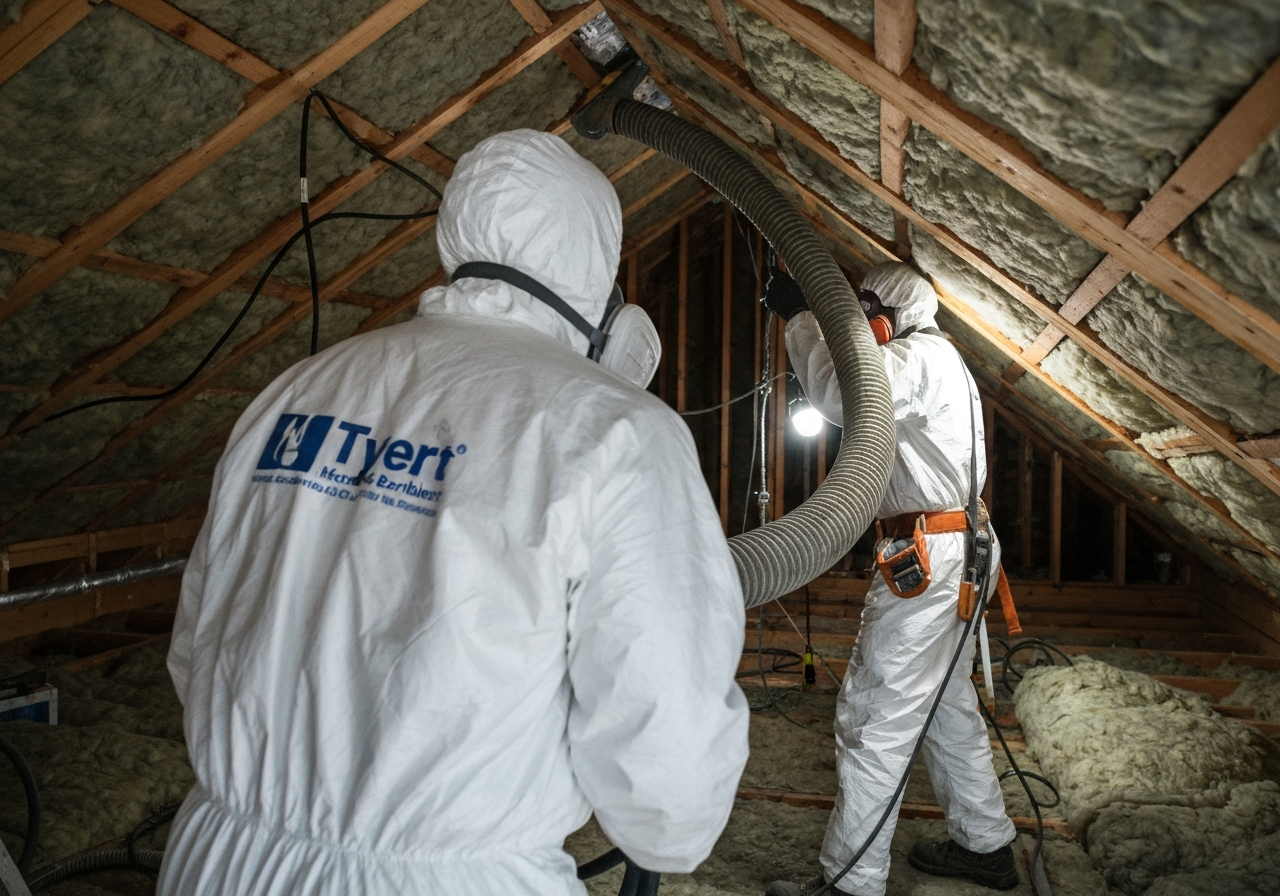
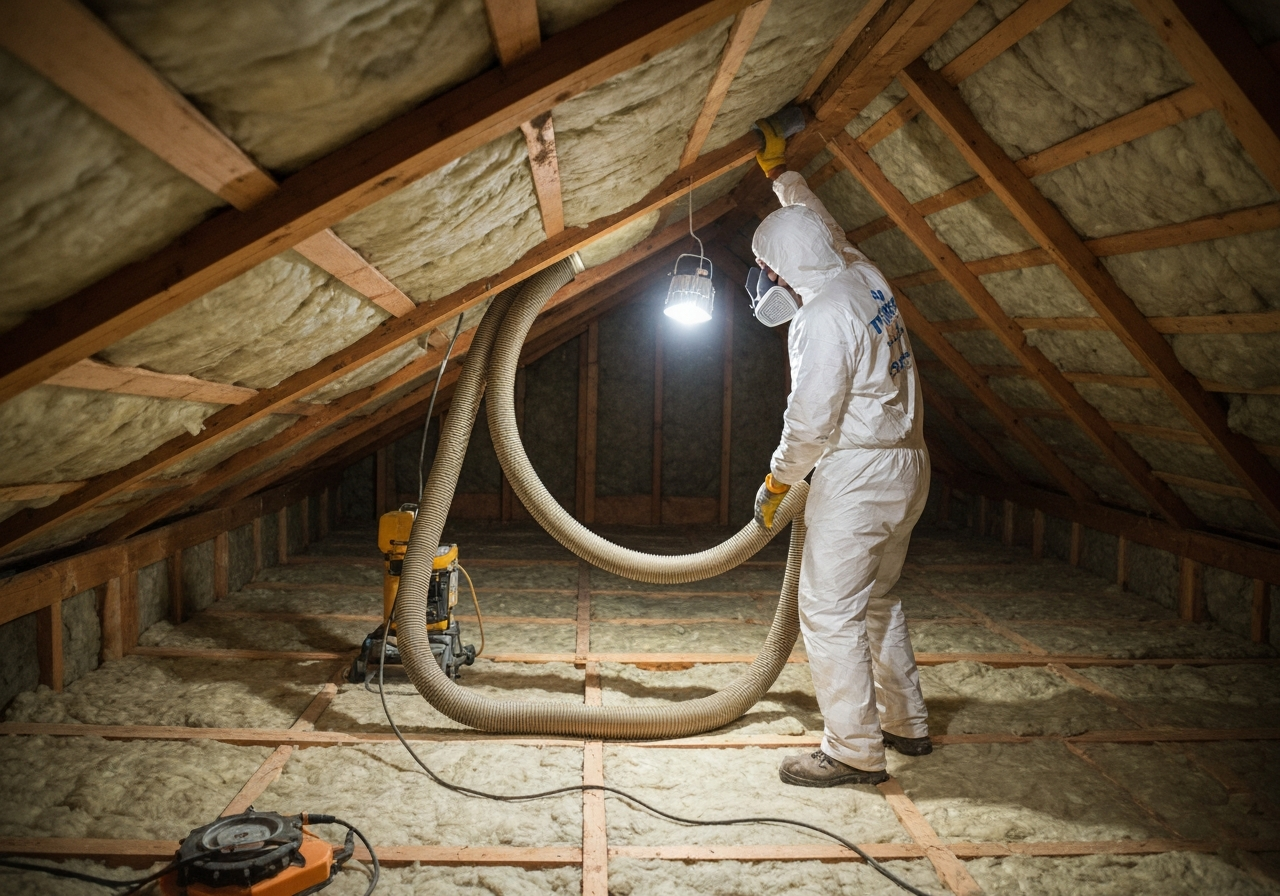
Recent Insulation Jobs in Austin
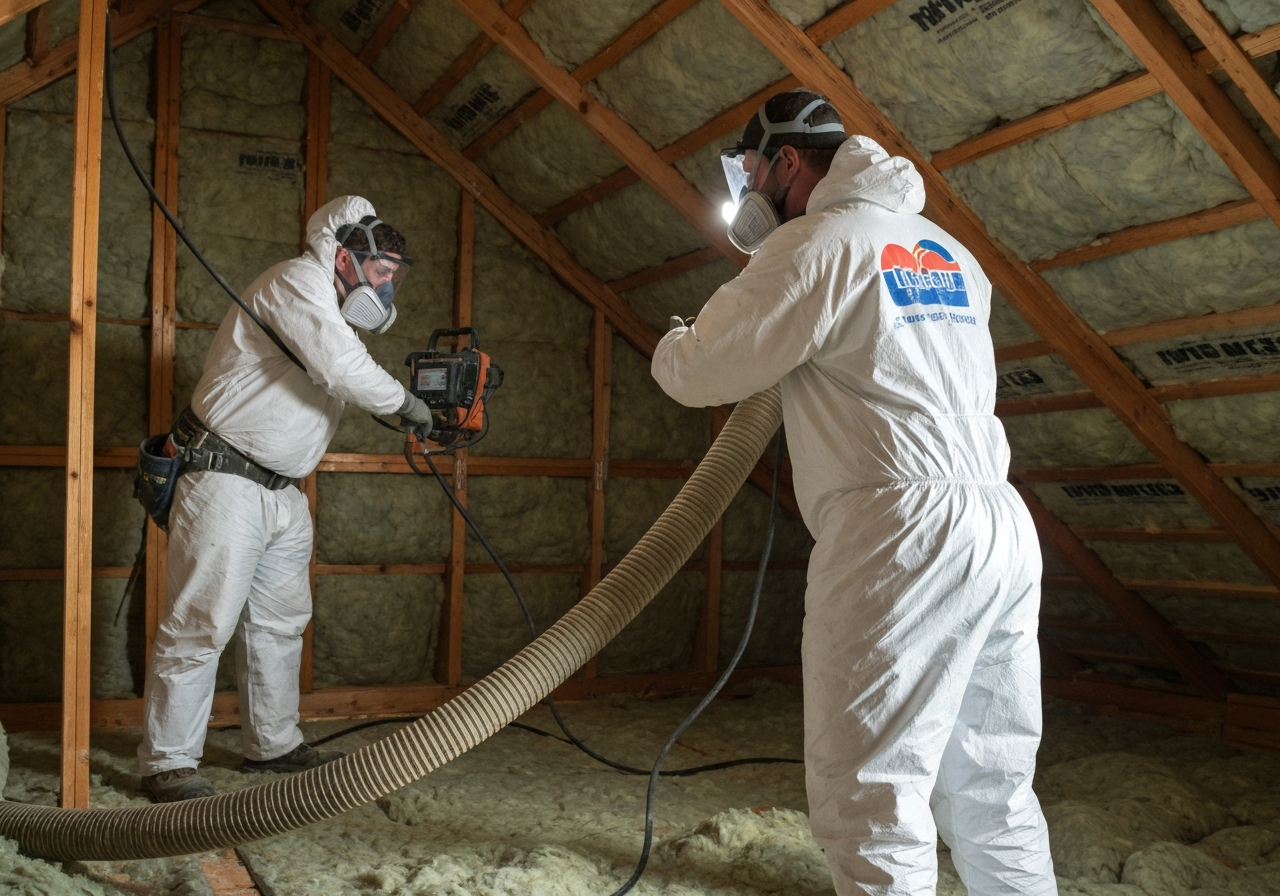
A sample of recent local work — real jobs, done right.
What Austin Customers Say
"Showed up fast, fixed it right the first time, and the price matched the quote. Couldn't ask for more."
— Verified local homeowner"Professional from the first call. Explained everything clearly and left the area spotless."
— Verified local homeowner"Called in the morning, problem solved by afternoon. Honest, upfront pricing — highly recommend."
— Verified local homeowner