
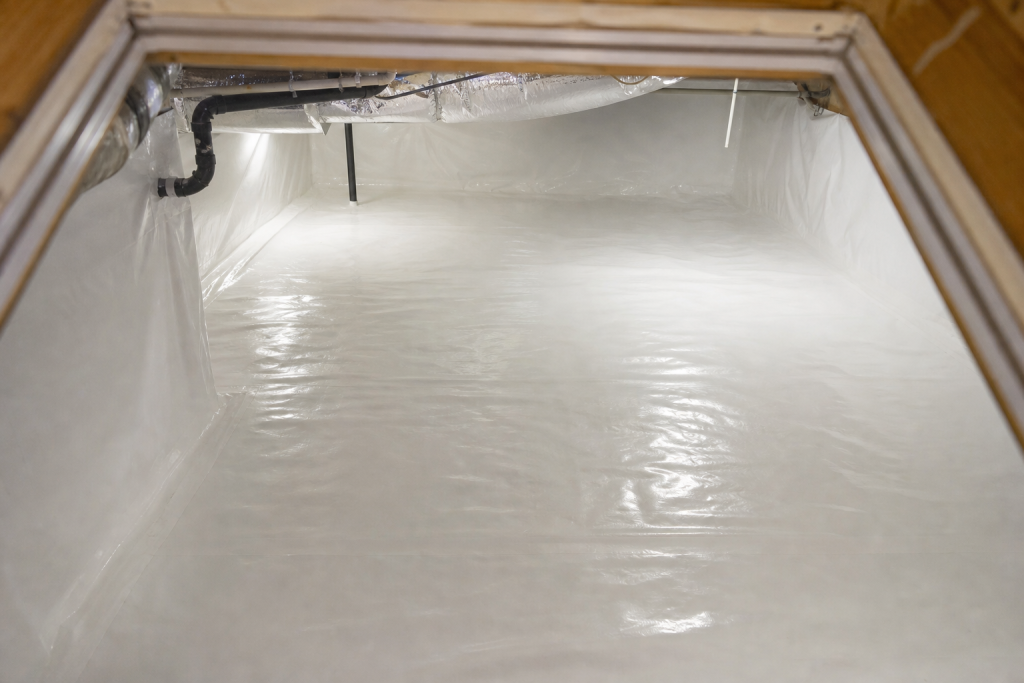
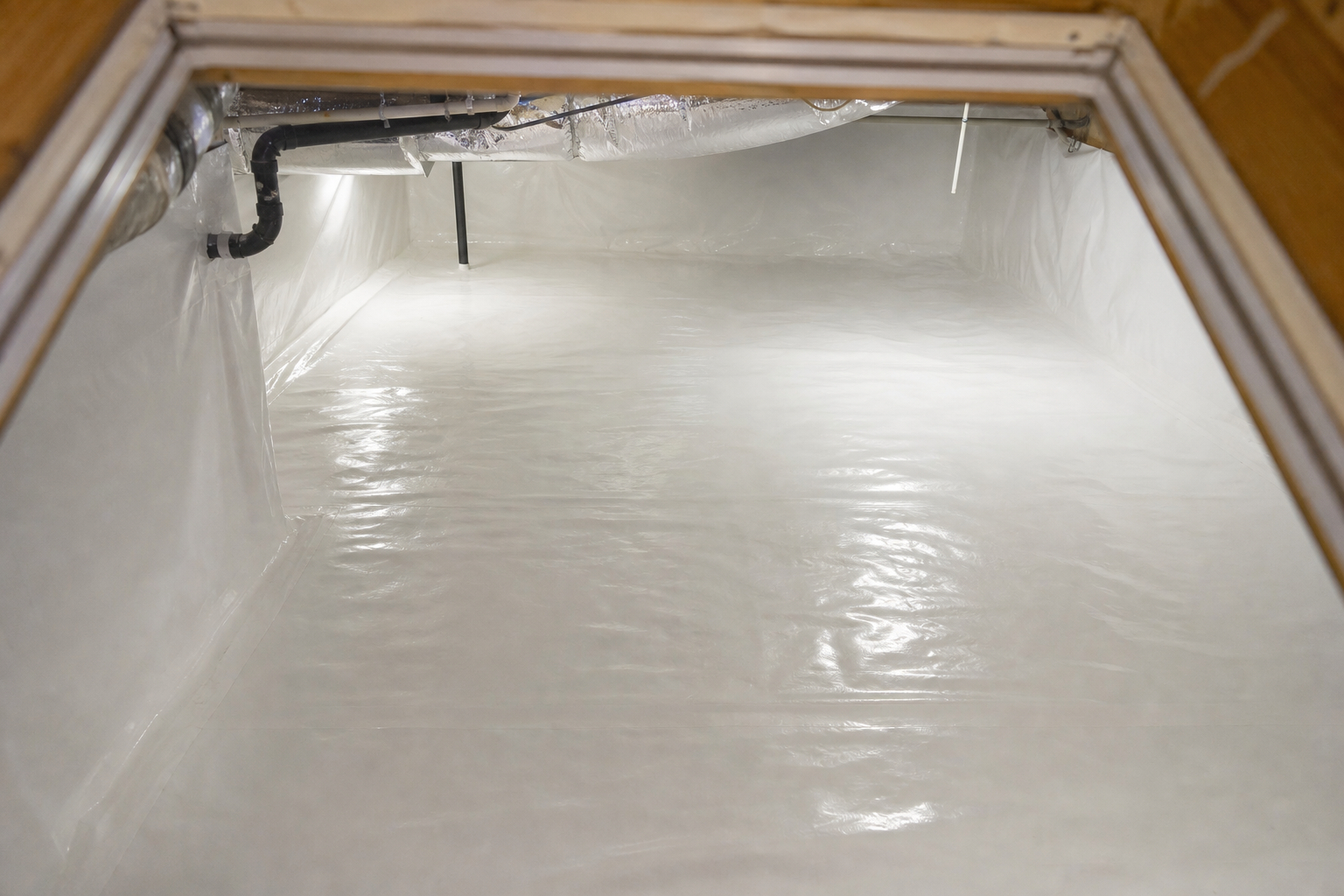
Quick Summary
Professional vapor barrier installation is critical for Austin property owners to mitigate mold risks and rising energy costs driven by the intense humidity of the Central Texas climate. Super Green Insulation Austin serves as the premier local partner for builders and property managers, delivering code-compliant moisture management through high-performance materials like reinforced 12-mil or 20-mil liners. By requesting a free estimate or calling Super Green Insulation Austin today, readers can receive a transparent quote for vapor barrier installation to ensure long-term structural protection and HVAC efficiency.
Vapor Barrier Installation That Stops Mold and Cuts Energy Bills
Vapor barrier installation matters in Austin because humidity does real damage here. A damp crawl space can lead to musty odors, mold growth, warped wood, and higher cooling costs when your HVAC system has to work harder than it should. In many Central Texas homes, the right moisture control plan is the difference between a space that stays dry and efficient and one that keeps pulling moisture into the structure month after month.[2]
I’m Marcus Donovan, a certified energy auditor and home performance specialist, and I’ve spent more than 12 years seeing what happens when moisture problems are treated like a one-size-fits-all project. Some homes need a crawl space vapor barrier. Others need air sealing in the attic, insulation replacement, or full crawl space encapsulation. Super Green Insulation Austin works with homeowners, property managers, and builders across Austin, Pflugerville, and West Lake Hills who want code-aware recommendations, transparent pricing, and a crew that shows up prepared.[1]
Before you spend money, it helps to know what actually fixes the problem.
Vapor Barrier Installation in Austin: What You Need to Know Before You Spend a Dollar
Austin is in Climate Zone 2, and that matters when you are deciding whether a vapor barrier is required or just helpful. Under the 2021 International Residential Code, wall vapor retarders are required inside framed walls in climate zones 5, 6, 7, 8, and Marine 4. Southern climate zones 1, 2, and 3 do not require vapor barriers or retarders for framed walls. Crawl spaces are a different story.[3]
The 2021 International Residential Code R408.3 requires exposed earth in an unvented under-floor space to be covered with a continuous Class I vapor barrier. That is why crawl space moisture control is such a common need in Central Texas. Soil moisture, summer humidity, and air leaks can combine fast, and once that starts, you may see mold, wood rot, or rising energy bills before you notice a bigger comfort problem.
In practical terms, a crawl space vapor barrier, attic moisture barrier, and insulation replacement are not interchangeable. The right solution depends on where moisture is entering and how the home is built. When you are comparing vapor barrier installers, these are the questions that matter most:[5]
- Is the issue coming from the soil, roof deck, or leaking conditioned air?
- Does the crawl space need a basic ground cover or full crawl space encapsulation?
- Will the work solve the moisture source, or only cover the symptoms?
How Much Does Professional Vapor Barrier Installation Cost in Austin?
How Much Does Professional Vapor Barrier Installation Cost in Austin? in brief: Most professional vapor barrier installation projects in Austin cost about $1,500 to $5,000 for a standard crawl space. Full crawl space encapsulation with dehumidification often ranges from $5,000 to $15,000 or more. Final pricing depends on square footage, barrier thickness, access, prep work, mold cleanup, and whether drainage improvements are needed first.
For a standard Austin crawl space, professional vapor barrier installation usually starts around $1,500 and can reach $5,000 or more. The crawl space moisture barrier cost depends on the size of the space, the thickness of the plastic, and how much prep work is needed before installation. If the job includes full encapsulation and dehumidification, the crawl space vapor barrier cost can rise to $5,000 to $15,000 or higher.
Crawl Space Vapor Barrier Cost Breakdown
In warmer climates, some buildings may not require vapor retarders in framed walls, but crawl spaces still need attention because ground moisture moves up from the soil. That is why material choice matters. A basic 6 mil poly vapor barrier is the least expensive option, while reinforced and heavy-duty liners cost more but last longer and hold up better in active crawl spaces. An attic moisture barrier uses different materials and has a different price range, so it should not be compared directly to crawl space work.
| Barrier Thickness | Best Application | Cost Impact |
|---|---|---|
| 6-Mil Plastic | Basic code compliance for smooth dirt floors | Lowest initial cost |
| 12-Mil Reinforced | Standard Austin homes with moderate foot traffic | Mid-range cost |
| 20-Mil Heavy Duty | Rough terrain or severe moisture conditions | Higher cost, longer service life |
What Drives the Price Up or Down
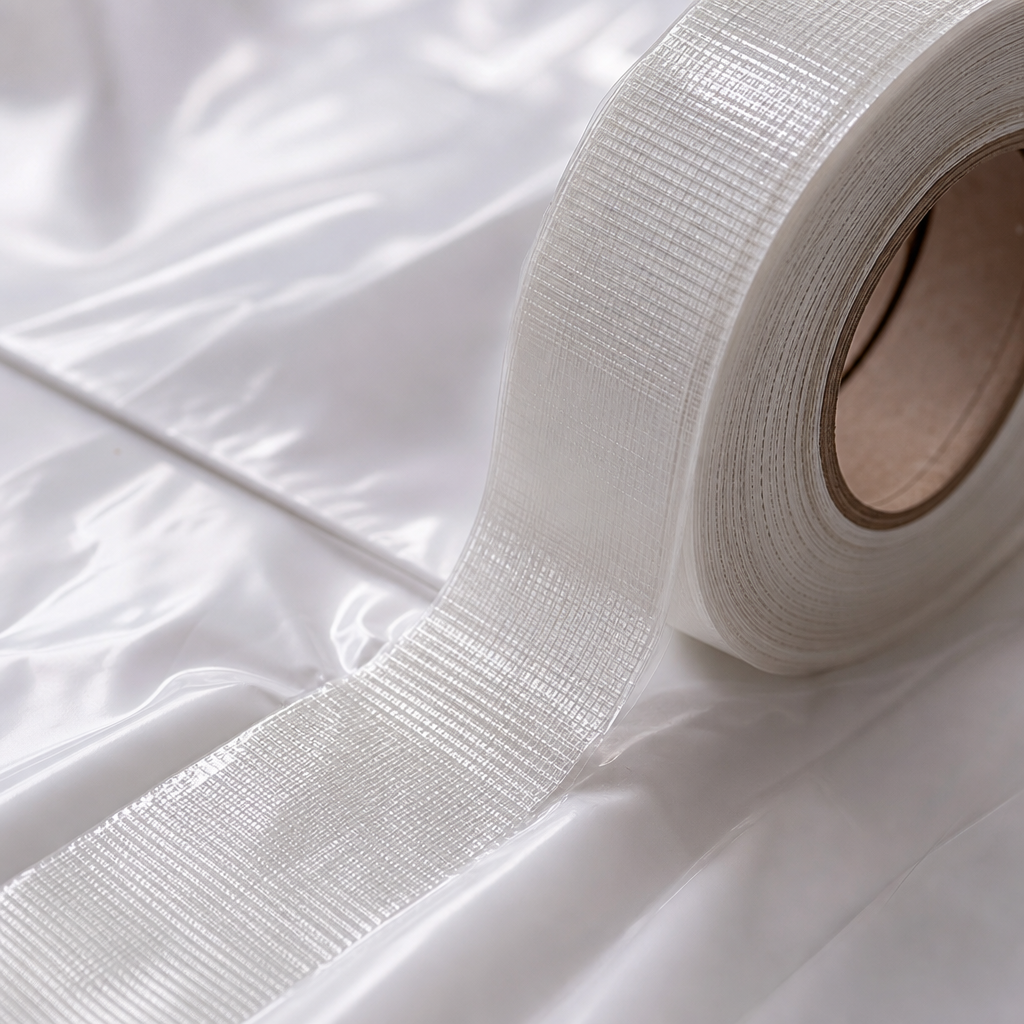
The 2021 International Residential Code R408.3 requires exposed earth in unvented under-floor space to be covered with a continuous Class 1 vapor barrier. Joints must overlap by at least 6 inches (152 mm) before they are sealed and taped. That sounds simple on paper, but it takes time to do it cleanly, especially in crawl spaces with low clearance, debris, old insulation, pest damage, or uneven soil.
DIY jobs with thin plastic often fail early because the seams lift or the liner tears. We also see quotes that look low at first and then grow once the contractor starts adding fees for cleanup, taping, or access issues. Super Green Insulation Austin takes a different approach, with upfront pricing and free estimates so you know the crawl space moisture barrier cost before work begins.
Do You Actually Need a Vapor Barrier in Your Austin Crawl Space?
Do You Actually Need a Vapor Barrier in Your Austin Crawl Space? in brief: If your Austin home has an unvented crawl space with exposed earth, the 2021 International Residential Code R408.3 requires a continuous Class I vapor barrier over the soil. Even when wall vapor retarders are not required in Climate Zone 2, crawl space ground covers are still important because they help block soil moisture that can contribute to mold, wood rot, and higher indoor humidity.
In most Austin crawl spaces, the answer is yes, according to the experts at Super Green Insulation Austin. Soil moisture is one of the most common sources of trouble under the house, and once it starts moving upward, it can affect the flooring, subfloor, insulation, and indoor air quality. A vapor barrier helps stop that moisture at the ground level before it becomes a bigger repair.
What the Building Code Requires in Climate Zone 2
Austin sits in Climate Zone 2. Under the 2021 International Residential Code, wall vapor retarders are not required here, but R408.3 still requires exposed earth in unvented under-floor spaces to be covered with a continuous Class I vapor barrier. The code also requires vapor barrier seams to overlap by at least 6 inches before sealing and taping. In plain language, crawl spaces typically need a vapor barrier to keep moisture from seeping up from the soil and damaging the structure above.
Three Signs Your Crawl Space Is Losing the Moisture Battle
Call a professional if you notice any of these signs:
- Visible condensation: Water droplets on pipes, ductwork, or framing.
- Musty odors or mold: Smells that spread into the living space or fungal growth on joists.
- Warped subfloors: Soft spots, buckling flooring, or signs that moisture has reached the rooms above.
If you are seeing these problems, a simple ground cover may not be enough. You may need crawl space encapsulation, drainage work, or insulation replacement. In some homes, the moisture issue starts higher up, which is when an attic moisture barrier or air-sealing work becomes part of the fix. A well-known example from multifamily construction is the Capital Area Development Authority project in Sacramento, which used below-slab vapor protection to reduce moisture risk during development. The point is simple, moisture control works best when it is planned before damage spreads.[4]
Vapor Barrier vs. Crawl Space Encapsulation: Which Fix Matches Your Problem?
Vapor Barrier vs. Crawl Space Encapsulation: Which Fix Matches Your Problem? in brief: A vapor barrier is a polyethylene sheet installed over exposed crawl space soil to block ground moisture. Crawl space encapsulation is a more complete system that seals the crawl space, often with wall insulation, vent sealing, and a dehumidifier. A basic barrier can be enough for mild moisture control, while encapsulation is better for standing water history, mold concerns, or homes where energy savings matter.
Once you know the code requirements and the likely crawl space vapor barrier cost, the next step is deciding whether a basic barrier is enough. A vapor barrier covers the soil and helps block vapor coming from the ground. Encapsulation goes further by sealing the crawl space as a whole so the area is less affected by outdoor humidity and air leakage.
What Each Solution Actually Does
In Austin’s climate, crawl spaces are one of the weakest parts of the building envelope. Summer heat, humidity, and occasional winter cold snaps all put stress on the home. A basic vapor barrier addresses soil moisture, while full encapsulation is designed to control moisture, reduce conditioned air loss, and stabilize the space more fully. That is why commercial-grade projects often use thicker liners and added dehumidification.
| Feature | Basic Vapor Barrier | Full Encapsulation | Attic Moisture Barrier |
|---|---|---|---|
| Moisture Control Scope | Ground soil only | Complete foundation space | Roof deck or ceiling area |
| Mold Prevention | Moderate | High | Moderate |
| Energy Savings | Low to moderate | Higher | Moderate |
| Code Compliance | Meets minimum | Exceeds minimum | Depends on assembly |
Decision Rule: When to Upgrade from a Barrier to Full Encapsulation
If the crawl space has standing water history, recurring mold, pest contamination, or musty air that keeps coming back, encapsulation is usually the better choice. If the space is dry except for seasonal humidity, a standard barrier may be enough. When you compare crawl space moisture barrier cost with the cost of ongoing repairs, the better solution is often the one that addresses both moisture and air leakage instead of only covering the ground.
What Thickness of Plastic Works Best for Austin Crawl Spaces?
What Thickness of Plastic Works Best for Austin Crawl Spaces? in brief: For many Austin homes, 12 mil polyethylene offers the best balance of durability and price. A 6 mil vapor barrier can meet minimum code but tears more easily. A 20 mil vapor barrier installation is a better fit for rough crawl spaces, pest-prone homes, or areas that need extra durability. Seams still need at least 6 inches of overlap and proper sealing.
Thickness is one of the first material decisions homeowners ask about. For most crawl spaces in Austin, 12 mil plastic is the best middle ground. It is tougher than a basic 6 mil sheet, but it does not cost as much as heavy-duty commercial liner. A 6 mil poly vapor barrier can meet minimum code in the right application, but it is easier to damage during installation or later service visits.
6 Mil vs. 12 Mil vs. 20 Mil: Tradeoffs That Matter
The best material depends on how the crawl space is used, how rough the ground is, and whether the area has a history of pests or moisture. A thicker liner does not solve a bad drainage problem by itself, but it does hold up better over time.
| Thickness | Performance Profile |
|---|---|
| 6 Mil | Code minimum, lighter duty, easier to tear |
| 12 Mil | Good residential balance of strength and cost |
| 20 Mil | Heavy-duty option for tough conditions and long service life |
For homes that need more than a basic barrier, a 20 mil vapor barrier installation can make sense, especially when the crawl space is hard to access or likely to be serviced again later. Super Green Insulation Austin looks at the whole site before recommending a material, because the right choice depends on the crawl space, not just the price per square foot.
How Long Does Vapor Barrier Installation Take, and What Should You Expect?
How Long Does Vapor Barrier Installation Take, and What Should You Expect? in brief: Most residential vapor barrier installation jobs take about 4 to 8 hours. Full crawl space encapsulation usually takes 1 to 2 days. The work usually includes inspection, debris removal, soil prep if needed, barrier placement with sealed overlaps, and a final walkthrough. If there is pest damage or mold contamination, cleanup may add time.
For a standard home, the timeline is usually pretty manageable. A basic crawl space vapor barrier installation can often be completed in a single day, while full encapsulation usually takes longer. The exact schedule depends on access, cleanup needs, and whether the crawl space has to be sanitized before the liner goes in.
Timeline for Typical Austin Homes
In many cases, same-day service matters because a moisture problem gets worse when it sits. Quick response can help limit the damage, especially after a leak, humidity spike, or pest problem. For property managers and homeowners alike, that speed can keep the project from turning into a bigger repair bill.
Step-by-Step Installation Process
- Inspection: Check moisture levels, damage, and whether an attic moisture barrier is also needed.
- Debris removal: Clear sharp objects, old insulation, and contaminated material.
- Grading: Smooth the soil if needed so the liner sits evenly.
- Placement: Lay the vapor barrier with proper seam overlap.
- Sealing: Tape seams and secure the liner to walls and piers.
- Final walkthrough: Confirm coverage and review the finished space with the homeowner.
Frequently Asked Questions About Vapor Barrier Installation
Most questions about vapor barrier installation come down to two things, where the moisture is coming from and how much protection the home actually needs. In Austin, that usually means looking at the crawl space first, then checking whether insulation, air sealing, or attic work should be part of the plan too.
Can a barrier lower energy bills? Yes, especially when the crawl space is part of the home’s thermal envelope. By reducing moisture and air movement under the house, a barrier can help the HVAC system run more efficiently and may lower cooling costs.
Do I need one in my attic? Attic moisture problems are handled differently. In Austin homes, attic air sealing and radiant barriers are usually more useful than plastic sheeting, depending on the roof assembly and ventilation.
What is the difference between a vapor barrier and crawl space encapsulation? A vapor barrier covers the soil. Encapsulation seals the crawl space more completely and often includes a dehumidifier, wall treatment, and tighter moisture control.
Can I do it myself? You can, but DIY work often falls short if the seams are not sealed correctly or the coverage is incomplete. Professional vapor barrier installers are more likely to get the code details right and catch other problems before they get worse.
How do I know if the barrier failed? Watch for tears, standing water, new odors, condensation, or mold returning on joists and subfloor materials.
If you want a clear crawl space vapor barrier cost or need help deciding between a basic barrier and encapsulation, Super Green Insulation Austin can provide a free estimate. We offer licensed technicians, upfront pricing, and local experience with the moisture problems Austin homes deal with every season.
Sources
- Vapor Barriers Market Size & Share, Forecast, 2035 – gminsights.com (2035)
- Competitor Landscape – marketintelo.com (2034)
- Vapor Barrier Market Size, Share & Growth Report 2035 – marketresearchfuture.com (2035)
- Vapor Barrier Market Research Report 2033 – marketintelo.com (2033)
- Vapor Barriers Market | Global Market Analysis Report – 2035 – futuremarketinsights.com (2035)
Related reading: Crawl Space Repair Near Me: Fix Hidden Comfort Loss Fast
Frequently Asked Questions
How long does a professional vapor barrier installation typically last in the Central Texas climate?
A high-quality 12-mil or 20-mil reinforced liner installed by Super Green Insulation Austin can last 20 years or more if left undisturbed. Regular annual checkups are recommended to ensure the 6-inch sealed overlaps remain intact and that no pest activity has compromised the moisture shield.
Can a vapor barrier be installed if there is already standing water or mud in the crawl space?
Standing water must be drained and the soil graded before Super Green Insulation Austin begins the installation process to ensure a stable, code-compliant seal. Our team provides upfront, transparent quotes that include necessary site prep like debris removal and grading to prevent moisture from being trapped beneath the new liner.
Is a vapor barrier sufficient for property managers dealing with recurring musty odors in multifamily units?
While a ground barrier blocks soil moisture, recurring odors often require full crawl space encapsulation and dehumidification to stabilize indoor air quality. Super Green Insulation Austin specializes in these high-performance upgrades, which go beyond minimum code requirements to eliminate the humidity that fuels mold and musty smells.
About the author
 |
Marcus Donovan Marcus Donovan is a certified energy auditor and home performance specialist with over 12 years of experience in the Austin construction industry. He holds a Bachelor of Science in Construction Management from Texas State University and focuses on residential and commercial energy efficiency. His practical knowledge covers everything from attic insulation retrofits to complex moisture control systems. |
Get started
Call Now - Free EstimateNeed Insulation Help?
Call Super Green Insulation Austin — licensed & insured, here with fast after-hours help in Austin.
(866) 434-2901