Insulation Installation in Downtown & Central Austin, TX
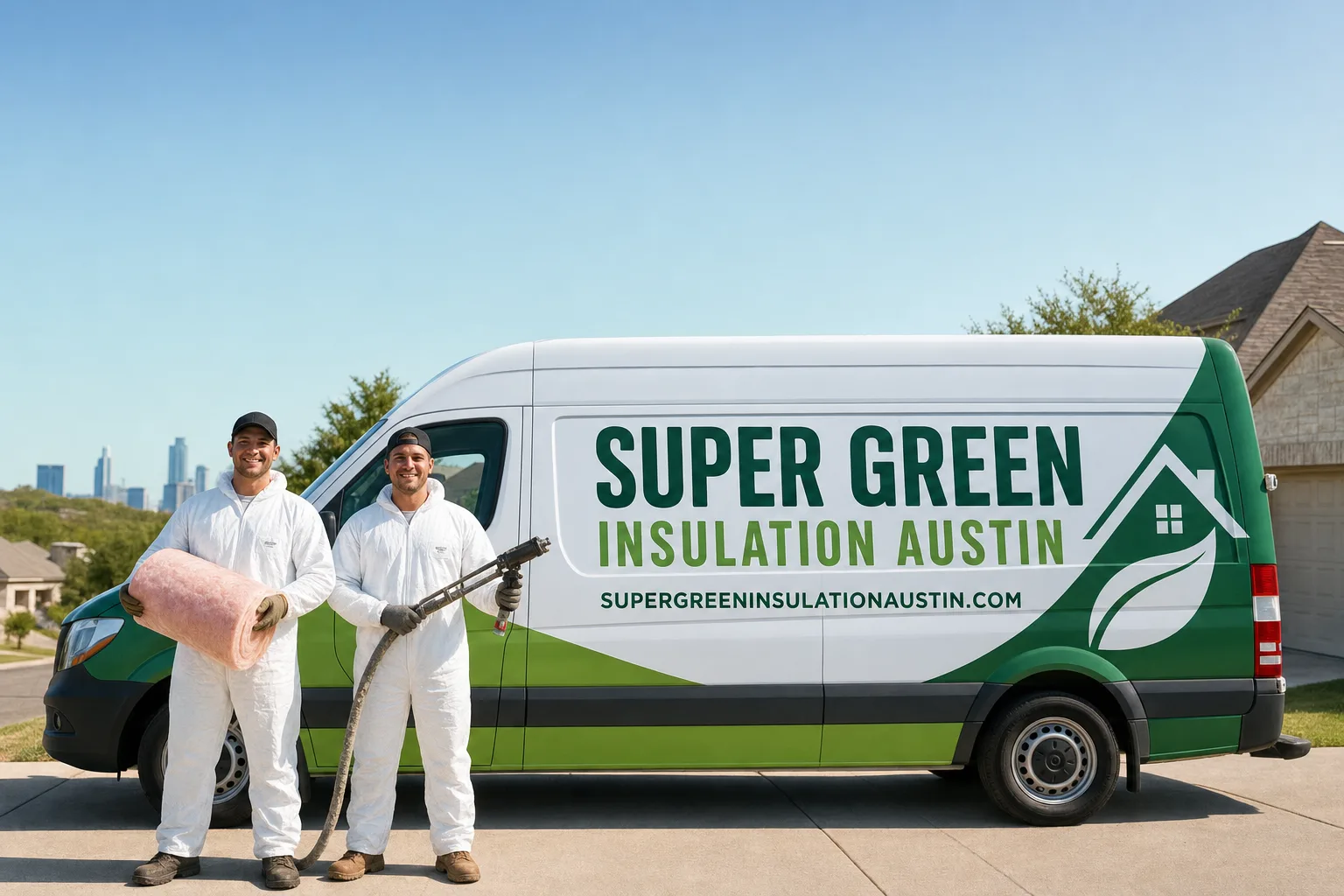
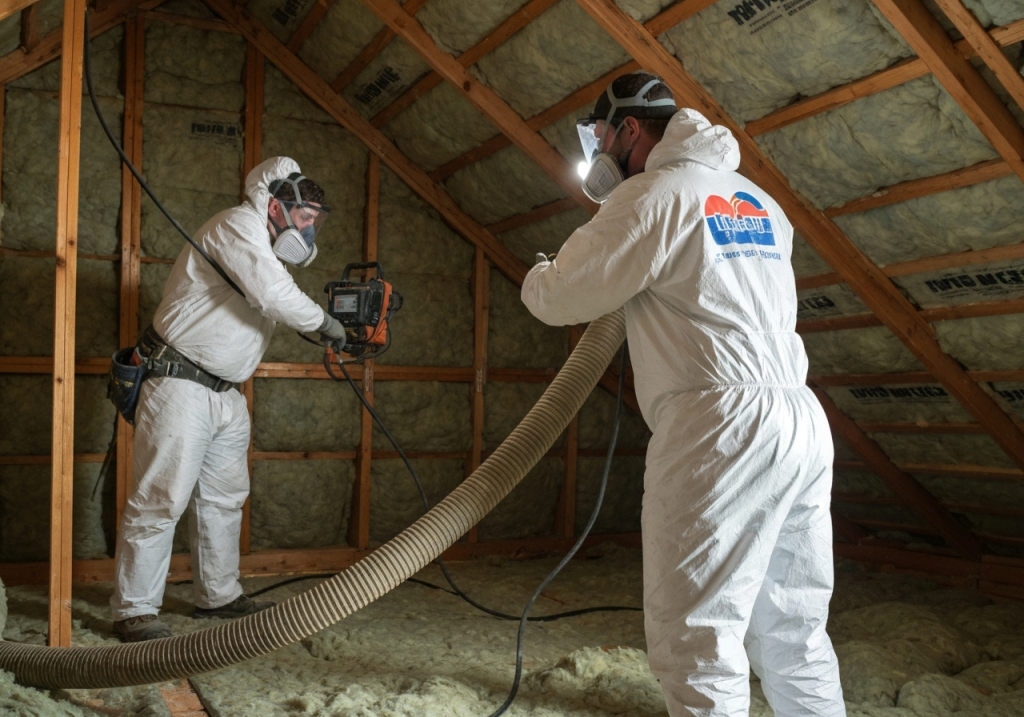
If you’re living or working in Downtown & Central Austin — whether that’s a craftsman bungalow in Hyde Park, a converted loft near the Warehouse District, or a pier-and-beam duplex along West Campus — you already know this part of the city doesn’t behave like the suburbs. The heat is more intense, the housing is older, and standard insulation advice rarely fits what’s actually under your roof or beneath your floor. We’re Super Green Insulation Austin, and Tom Hopkins and our crew have been solving exactly these kinds of problems in Downtown & Central Austin for over 16 years. Call us at (866) 434-2901 to get started.
Why Super Green Insulation Austin Is Downtown & Central Austin’s Preferred Insulation Installation Company
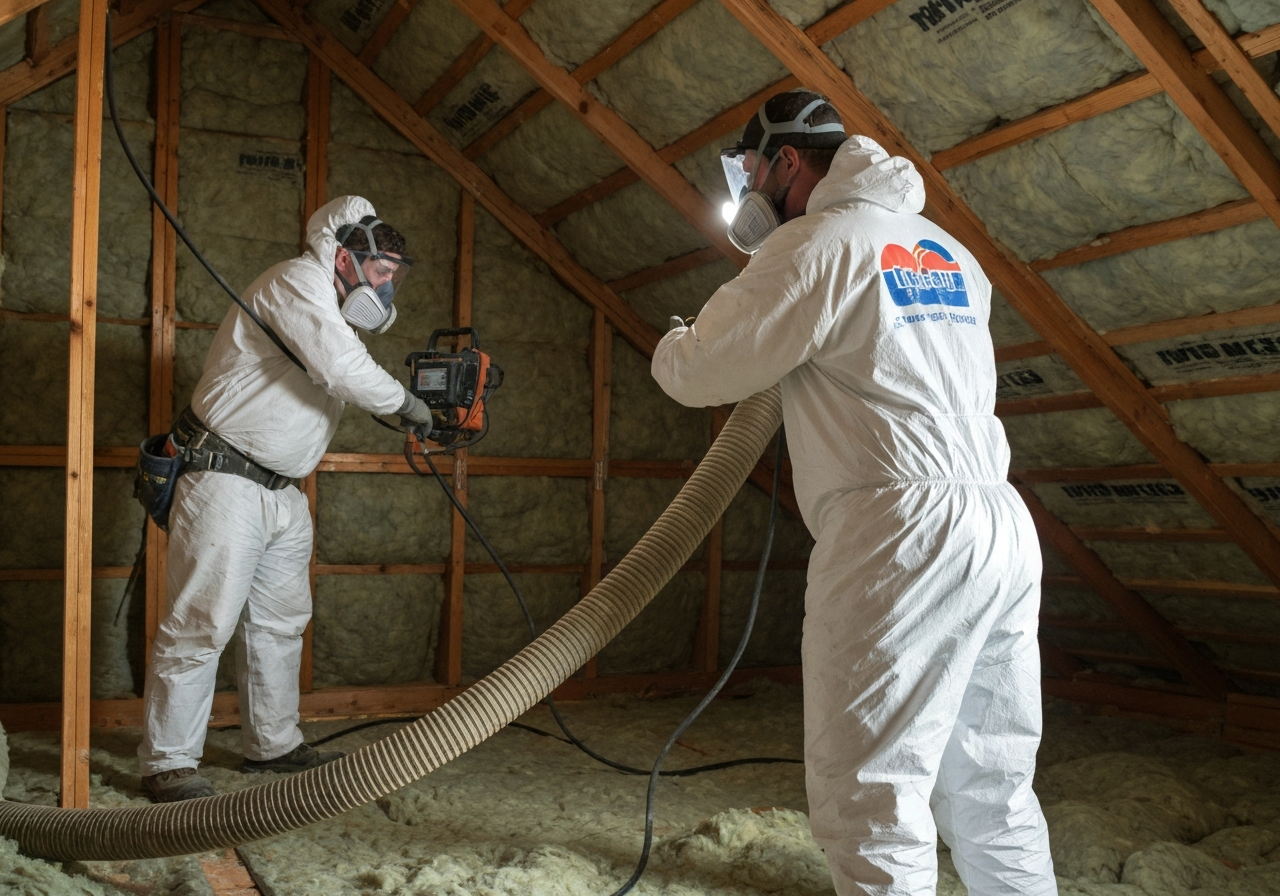
Our reputation in Downtown & Central Austin didn’t come from marketing — it came from showing up on time to homes in 78701, 78703, and 78705, diagnosing problems correctly the first time, and leaving the job cleaner than we found it. With 784 verified reviews averaging 4.9 out of 5 stars, we’re the most reviewed insulation contractor specifically serving this part of the city.
Tom Hopkins has personally walked through enough pier-and-beam homes in Hyde Park and enough masonry-walled conversions near the Warehouse District to know that these buildings require a fundamentally different approach than a 2005 slab-on-grade house in Pflugerville. That local knowledge isn’t something you can fake, and Downtown & Central Austin homeowners consistently tell us it’s why they chose us over a bigger, less-specialized outfit.
We schedule Downtown & Central Austin jobs within 48 hours for standard installs, and our team is familiar enough with the dense urban street grid — think South Congress running into the core, or the narrow lots along Guadalupe — that we don’t waste your morning figuring out parking logistics. We’re here to work, not wander.
Our Insulation Installation Services in Downtown & Central Austin
Attic Insulation
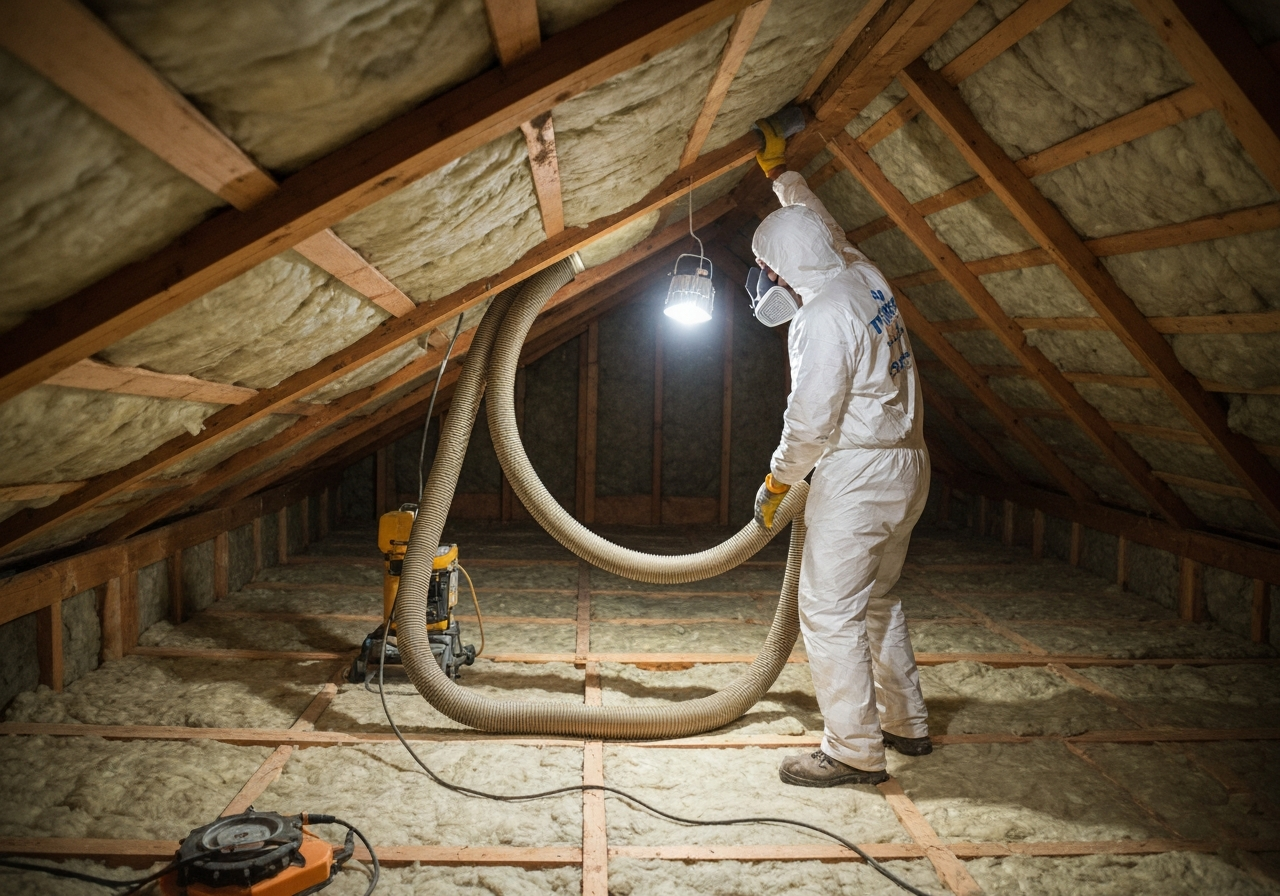
Attic insulation is the single highest-return upgrade available to most Downtown & Central Austin homeowners, and the numbers here are more dramatic than anywhere else in the metro. Because the urban heat island effect pushes ambient summer temperatures 5–8°F above what suburban weather stations record, unshaded attic assemblies in central Austin regularly exceed 150°F — a condition that degrades older batt insulation faster and pushes radiant heat into living spaces even when your HVAC is working overtime. We install Owens Corning and Johns Manville attic products rated for extreme thermal cycling, and we always begin with a full air-sealing pass before adding R-value, because in Downtown & Central Austin’s humid Zone 2A climate, unsealed penetrations drive vapor and heat transfer as aggressively as missing insulation does.
Blown-In Insulation
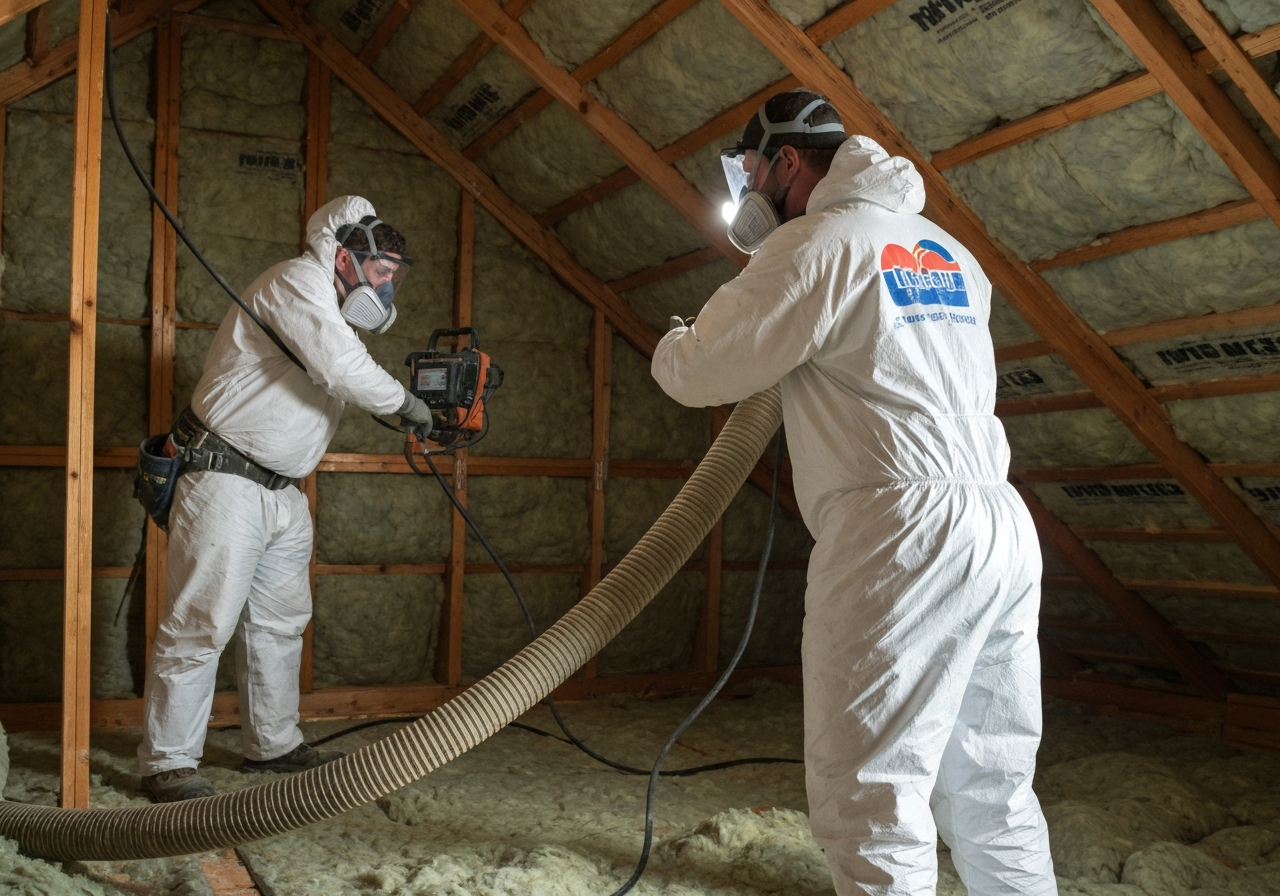
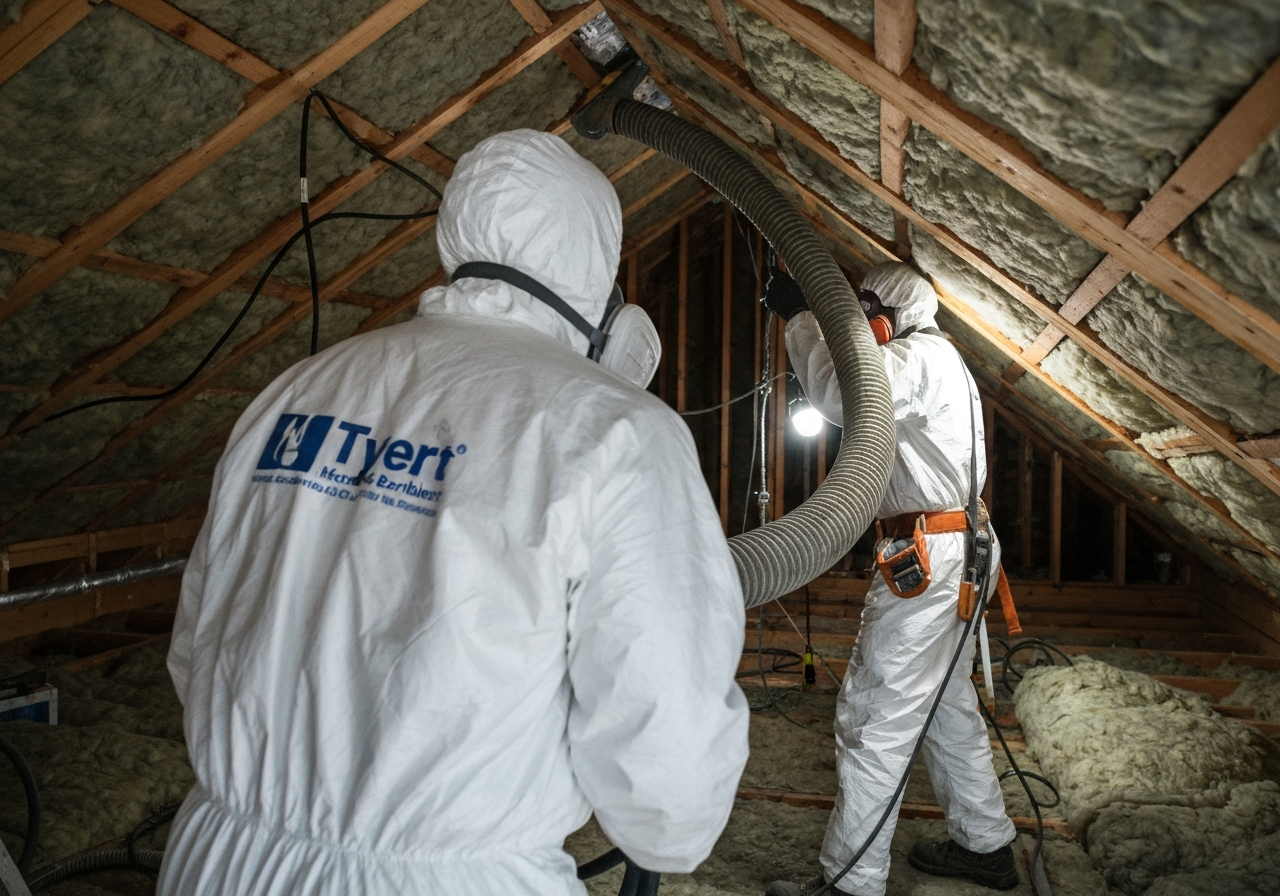
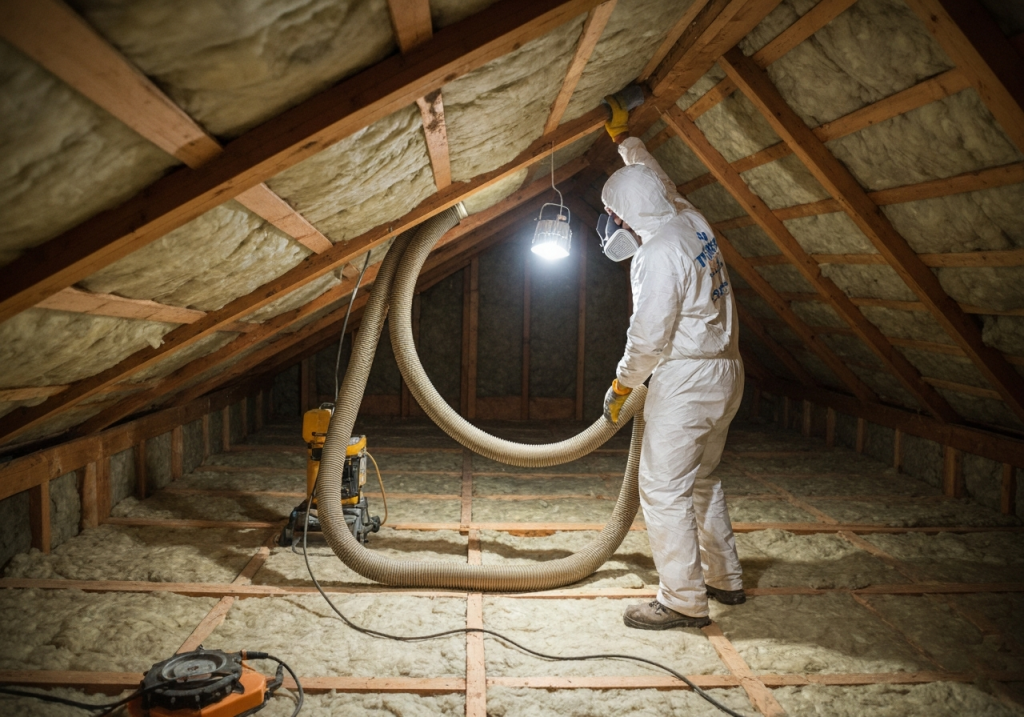
Blown-in insulation is often the most practical solution for Downtown & Central Austin’s older housing stock, where walls were built without cavities deep enough for standard batts and attic floors are irregular or obstructed by decades of additions and amateur repairs. We use GreenFiber cellulose and Knauf fiber glass blown-in products, both of which conform to irregular framing geometries far better than rigid alternatives. For the balloon-frame and early platform-frame walls common in Hyde Park bungalows — structures that were never intended to hold insulation — dense-pack blown-in is frequently the only retrofit option that doesn’t require opening every wall surface.
New Construction Insulation
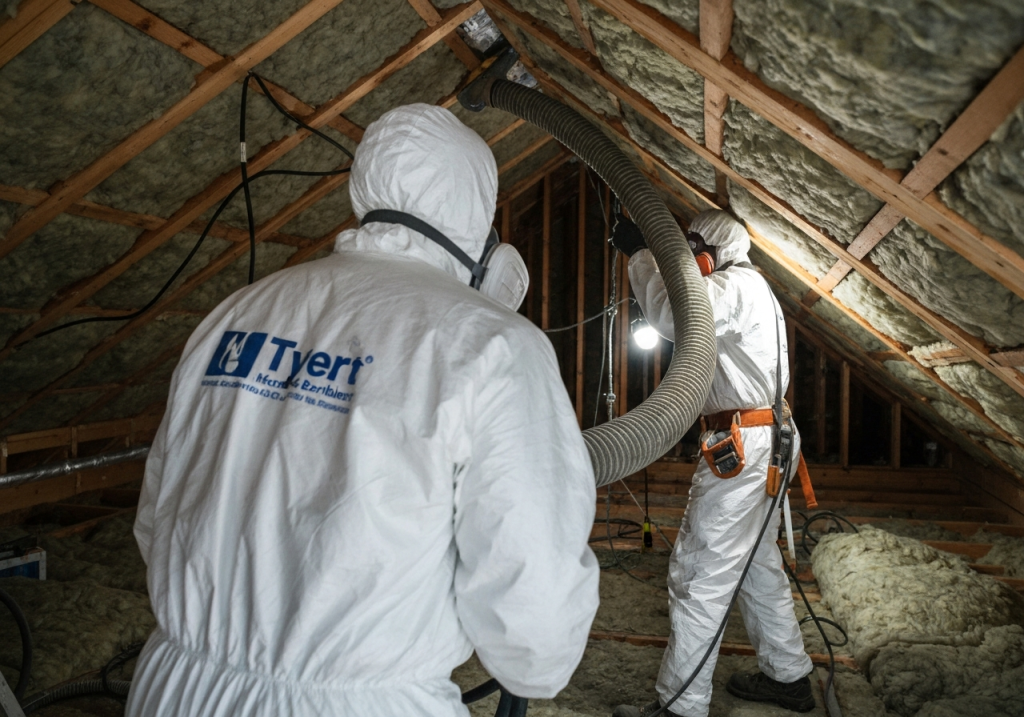
Downtown & Central Austin is seeing a steady wave of infill new construction — ADUs behind older bungalows, townhomes on subdivided lots in 78703, and mixed-use ground-up builds near the core. New construction here comes with its own set of challenges: tight lot lines, strict City of Austin energy code requirements that align with the 2021 IECC, and inspectors who know the code cold. We work with builders on insulation specifications from the framing stage, installing Icynene open-cell spray foam and Demilec closed-cell systems where the energy code and building envelope design demand it. Getting the insulation right at rough-in is significantly cheaper than remediation after drywall, and our team has been doing new construction installs in this ZIP code cluster long enough to know where Austin’s inspectors focus their attention.
Trusted Brands We Service in Downtown & Central Austin
We stock and install products from Owens Corning, Johns Manville, Knauf, Rockwool, CertainTeed, Icynene, Demilec, and GreenFiber — and we keep common materials staged locally so Downtown & Central Austin jobs don’t wait on supply chains. For a neighborhood like Hyde Park, where homes vary wildly in framing style and cavity depth from one block to the next, having multiple product lines available on short notice isn’t a convenience — it’s how we avoid the delays that happen when a contractor discovers mid-job that their standard material won’t fit the assembly in front of them.
Common Insulation Installation Problems We See in Downtown & Central Austin Homes
- The pier-and-beam sandwich effect: Homes concentrated in Hyde Park and West Campus sit above open crawl spaces with no floor insulation, meaning in summer they’re simultaneously attacked by 150°F radiant heat from the attic above and ground-radiated heat rising from below. No HVAC upgrade can compensate for this — dense-pack or closed-cell spray foam added to the floor assembly is the only real solution.
- Uninsulated masonry walls in converted buildings: The Warehouse District’s converted brick industrial structures have significant thermal mass but very poor R-value, and they typically have no standard stud cavity to fill. We see homeowners and building owners who’ve spent years fighting energy bills without understanding that the walls themselves are the problem.
- Vapor drive in balloon-frame walls: The 1910s–1940s craftsman bungalows throughout central Austin were built with balloon-frame or early platform-frame walls that have no vapor retarder and no insulation. In Austin’s hot-humid climate, adding insulation without addressing vapor drive can trap moisture inside a wall assembly that’s already 80-plus years old — we see mold consequences from improper retrofits regularly.
- Degraded or compressed attic batts from prior DIY work: Downtown & Central Austin’s rental housing density — particularly the 1950s–60s pier-and-beam duplexes common near UT — means many properties have been owner-neglected for decades or had amateur insulation patches installed over original material. Compressed batts lose most of their rated R-value, and we frequently find R-11 batts performing closer to R-4 once we measure actual density.
The Downtown & Central Austin Housing Situation Nobody Talks About
Here’s something that genuinely separates Downtown & Central Austin from every other service area we work in. Hyde Park and West Campus contain some of the oldest intact residential fabric in the entire Austin metro — craftsman bungalows and foursquares built between 1910 and 1945 on pier-and-beam foundations, with balloon-frame or early platform-frame walls that were never insulated because the concept barely existed when these houses were built. These neighborhoods sit squarely inside Austin’s urban heat island, where the dense urban core runs measurably hotter than surrounding areas every single summer day. That combination — oldest housing stock plus most extreme ambient heat — makes central Austin’s retrofit insulation need more urgent than anywhere else in the region. The good news: Austin Energy’s city-owned utility rebate program specifically targets this older central-city stock, meaning you can often offset a meaningful portion of project cost with rebates that aren’t available to homeowners in surrounding suburbs. We help every Downtown & Central Austin customer navigate that process because it directly affects what you’ll pay out of pocket.
Pricing for Insulation Installation in Downtown & Central Austin, TX
A typical attic insulation install in Downtown & Central Austin runs $1,800–$3,400 for a standard single-family home, depending on current R-value, attic access conditions, and whether air-sealing is included (it should be — we include it by default). Blown-in insulation for an older central-city home with irregular framing typically lands in the $1,500–$2,800 range. New construction insulation scopes vary more widely, but infill projects in 78703 and 78705 generally run $3,500–$7,000 depending on total conditioned square footage and system type. Pier-and-beam floor assemblies — the unique challenge in this part of Austin — add $900–$2,200 depending on crawl space height and access. All estimates are free, and Tom Hopkins reviews every quote before it goes out. Call (866) 434-2901 to schedule yours.
We Also Serve Cities Near Downtown & Central Austin
Our work doesn’t stop at the Downtown & Central Austin boundaries. We regularly serve homeowners and contractors in East Austin, South Austin, North Central Austin, Northwest Austin, Southwest Austin, West Lake Hills, Del Valle, and McNeil (Pflugerville Area). If you’re just outside the central core, we’re still your team — same crew, same standards, same response times.
Serving Downtown & Central Austin, TX — Our Local Coverage Area
We’re based in the Downtown & Central Austin area and know this community well. Use the map below to see our service coverage — if you’re nearby, we can almost certainly help.
FAQs — Insulation Installation in Downtown & Central Austin
We can typically schedule a Downtown & Central Austin install within 48 hours of your estimate approval — and estimates themselves are usually booked within 24 hours of your call. Our team works the central city core regularly, so we’re not routing a crew across town to get to you. Call (866) 434-2901 and we’ll get something on the calendar the same day in most cases.
Yes — we serve every neighborhood within the Downtown & Central Austin service area, including Hyde Park, West Campus, the Warehouse District, and all properties in ZIP codes 78701, 78703, 78705, 78712, and surrounding central ZIP codes. We’re particularly familiar with the older housing stock in Hyde Park and West Campus, which requires specialized dense-pack and spray foam techniques that not every contractor is set up to handle.
Older central Austin homes often carry a modest premium over new suburban construction — not because we charge more per square foot, but because pier-and-beam foundations, balloon-frame walls, and decades of layered amateur repairs add legitimate labor complexity. A straightforward attic job on a Hyde Park bungalow may take 30–40% longer than the same square footage on a slab-on-grade home in Round Rock. That said, Austin Energy rebates available specifically for Downtown & Central Austin’s older housing stock can offset a significant portion of that difference, and we’ll help you capture every dollar of rebate you qualify for.
It absolutely does, and it’s one of the most important questions you can ask. The urban heat island effect in Downtown & Central Austin means attic temperatures regularly exceed 150°F in July and August — a condition that causes certain blown-in products to shift and compress faster than they would in a cooler environment. We prioritize products with proven thermal stability under Zone 2A conditions, including Rockwool where fire resistance and temperature performance matter, and Demilec or Icynene closed-cell spray foam for assemblies where the thermal load is most severe. We won’t spec a product that’s going to underperform in your specific environment.
Every insulation installation we complete in Downtown & Central Austin is backed by our workmanship warranty, and the material warranties from manufacturers like Owens Corning, Johns Manville, and Knauf transfer directly to you as the property owner. Tom Hopkins stands behind every job personally — if something isn’t performing the way it should within the warranty period, we come back and make it right without the runaround. Sixteen-plus years in this market means our reputation matters more to us than the cost of a callback.
Written by the team at Super Green Insulation Austin, serving Downtown & Central Austin since 2008.