
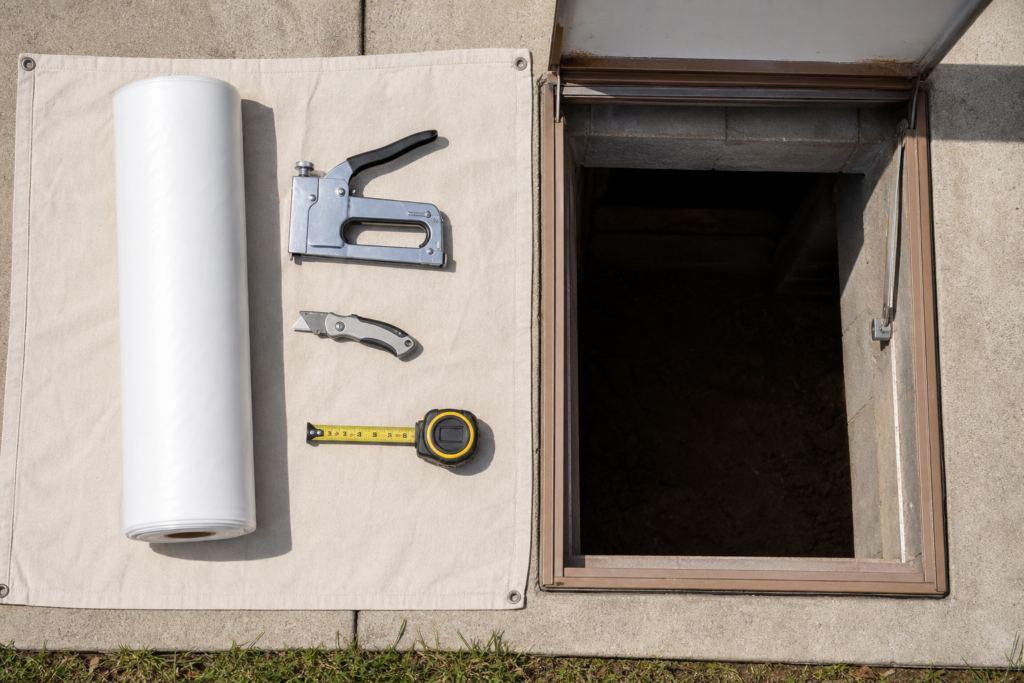
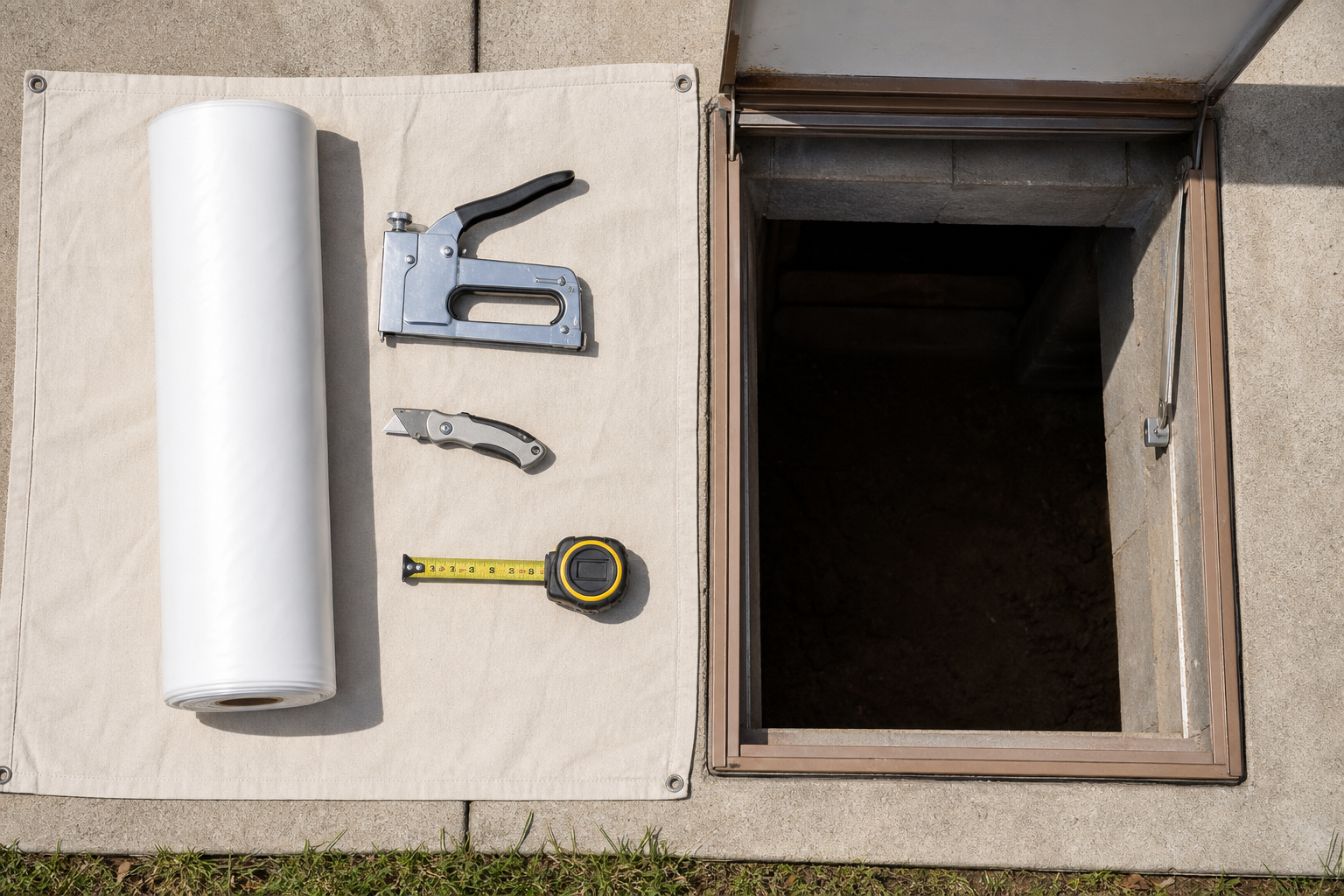
Quick Summary
Standard fiberglass batts quickly fail in intense Central Texas humidity, causing mold, subfloor wood rot, and skyrocketing utility bills that require professional crawl space insulation replacement. As the ultimate local solution provider, Super Green Insulation Austin leverages over sixteen years of regional experience to resolve these moisture and energy loss issues with high-performance, moisture-resistant materials. Homeowners can permanently protect their property's structural integrity and lower heating and cooling costs by contacting Super Green Insulation Austin to request a free, upfront estimate for crawl space insulation replacement.
Crawl Space Insulation Replacement – Lower Energy Bills Now
I have spent years crawling under homes in Central Texas, and I have seen firsthand how standard fiberglass batts fail in our intense humidity. Within five years of moisture exposure in high-moisture environments, damaged fiberglass crawl space insulation loses up to 40% of its thermal resistance (R-value), according to Stellrr [statistics]. This quietly drives up your utility bills while letting musty air seep up into your living spaces.[1]
If you need a professional crawl space insulation replacement, choosing a licensed, local contractor with moisture-control expertise is essential. Working with qualified local professionals ensures deep cleaning, detailed restoration, and proper vapor barrier installations that keep Texas moisture out for good. See also 24/7 Moisture Barrier Repair and Installation in Austin – Call Now-10% Off – On-Site in 60 Minutes – Free Estimate.
Crawl Space Insulation Replacement – Fast Costs and Timelines
Crawl space insulation replacement in brief: Replacing wet, sagging materials under your floors is essential for protecting your home’s structural integrity. A standard project in Austin typically ranges from $1,800 to $5,500 based on SuperGreen Insulation [1] for a standard 800-square-foot crawl space, while larger homes or complex setups can run from $2,000 to $6,000 or more. If you choose full encapsulation, costs average around $5,600 (ranging from $3,000 to $8,000 according to House Escort [4] or $2,000 to $6,000 according to Palm Build [3], depending on the size and condition of the space). This work immediately resolves drafty floors, pest contamination, and high utility bills while cutting your annual heating and cooling costs by 10% to 15% on average.[4]
While insulation can theoretically last up to 40 years under perfect conditions, high humidity slashes the lifespan of fiberglass to 10-12 years in humid areas like Austin. According to industry estimates, it may drop to just 3-5 years specifically for severely water-damaged fiberglass batts affected by standing water or plumbing leaks. Once moisture sets in, that thermal barrier loses its effectiveness rapidly, leaving your subfloor vulnerable to rot.
Key Takeaways for Austin Homeowners
When you partner with professional local crawl space specialists, the restoration process follows three clear steps to protect your home over the long term:
- Inspection and Quote: Licensed contractors with moisture-control expertise provide upfront, clear pricing to map out your specific crawl space insulation cost.
- Safe Extraction: Certified technicians remove sagging, pest-damaged insulation to prepare the structure for a thorough cleanup.
- High-Performance Re-insulation: Instead of falling into the “Fiberglass Batt Trap” (where cheap fiberglass absorbs humidity and rots your subfloor), professionals install moisture-resistant materials or vapor barriers.
How Much Does Crawl Space Insulation Replacement Cost?
Need crawl space insulation replacement?
We’re available now — call for a fast, free estimate.
Your total investment for replacing crawl space insulation depends on the materials you choose and how much contaminated insulation needs to be extracted first. Licensed local contractors provide upfront, transparent pricing so you know exactly what to expect before work begins.
Breaking Down the Cost Factors
The total crawl space cost depends heavily on the local climate and materials. Removing old, water-logged, or pest-damaged insulation typically adds an extra $1 to $2 per square foot for the crawl space insulation removal cost. When looking for a local crawl space insulation contractor, Austin homeowners must avoid installing standard fiberglass batts. These batts absorb Central Texas humidity like a sponge, sagging and holding moisture directly against your wooden subfloor, which accelerates wood rot instead of stopping it.
| Feature | Fiberglass Batts | Closed-Cell Spray Foam | Rigid Foam Board |
|---|---|---|---|
| Moisture Resistance | Low (absorbs water) | Waterproof | High |
| Subfloor Rot Risk | High | None | Low |
| Lifespan in Austin | 10-12 years (3-5 years if wet, applying specifically to severely water-damaged fiberglass batts based on industry estimates) | 20+ years | 15+ years |
The Real Value of Professional Insulation Removal
Investing in professional crawl space insulation removal and replacement pays off quickly. Properly insulated crawl spaces lower annual heating and cooling costs by 10% to 15% on average, with high-efficiency setups saving up to 25% on utility bills. Research from the U.S. Department of Energy confirms this, showing that closed crawl spaces save significantly more on heating and cooling compared to traditional, open-vented crawl spaces in hot-humid climates.[2]
To catch problems before they rot your subfloor, home performance experts recommend getting your crawl space inspected at least once every ten years in humid areas, though homeowners with known moisture or pest issues should consider annual inspections. Catching sagging batts early can prevent structural damage that costs thousands more to repair later.
The Fiberglass Batt Trap – Why Standard Batts Fail in Austin
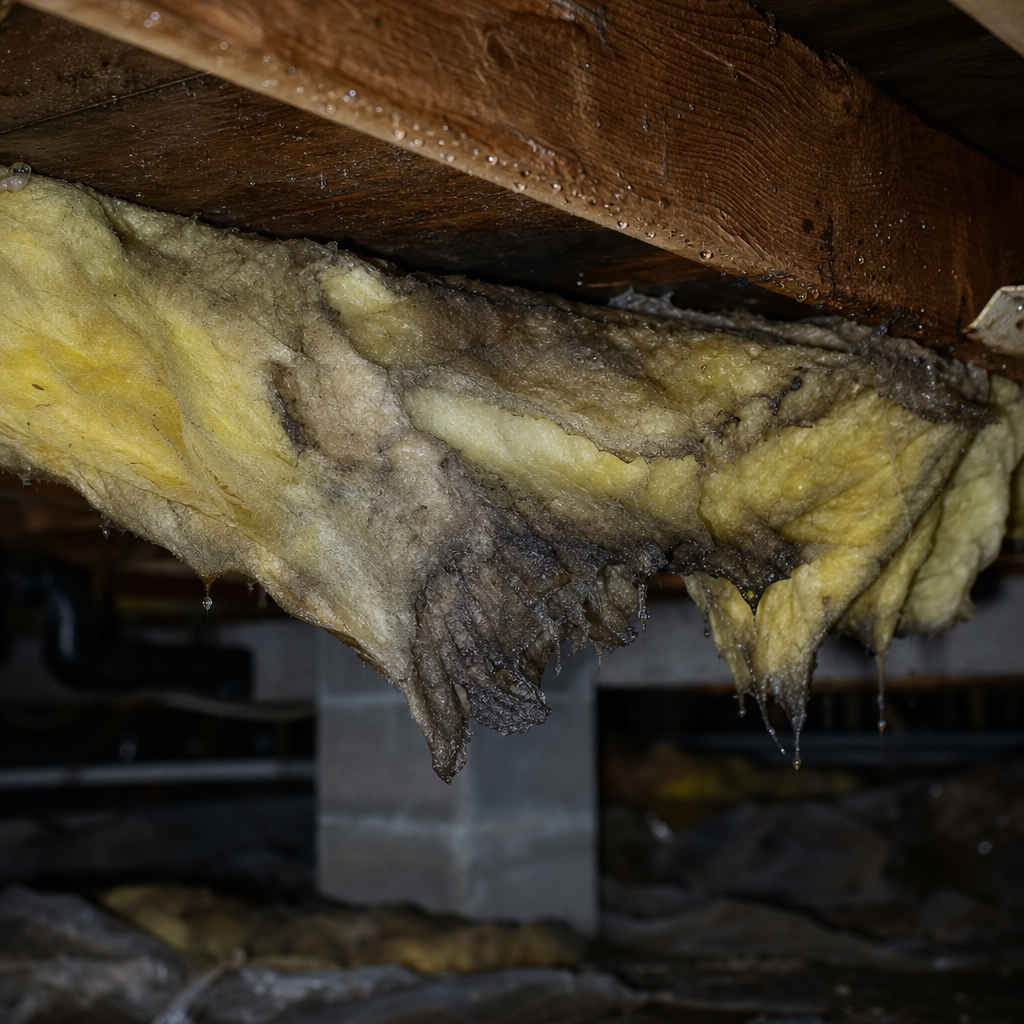
Standard fiberglass batts fail in Austin crawl spaces because their porous structure acts like a sponge. They trap intense Central Texas humidity right against your wooden floor joists. Instead of protecting your home, these heavy, sagging batts hold moisture in place, which leads to wood rot, mold growth, and structural damage. Over time, this drives up your monthly energy bills and leaves you facing expensive repairs.
How High Humidity Accelerates Subfloor Wood Rot
In our local climate, crawl spaces are constantly under attack from ground moisture and humid outdoor air. As gravity pulls heavy, wet fiberglass batts away from the subfloor, a gap forms. Warm, humid air sneaks into this gap and condenses against the cooler wood. If left alone, this trapped moisture causes wood rot and makes your floors sag. Having your crawl space inspected regularly helps catch these issues before the floor begins to give way.
Better Alternatives: Vapor Barriers and Spray Foam
To protect your home’s foundation, licensed local contractors with moisture-control expertise like Super Green Insulation Austin install high-performing vapor barriers and closed-cell spray foam. These materials form a reliable seal against moisture and stabilize your indoor climate. This is why closed-cell foam or rigid foam boards are often considered the best insulation for crawl space ceiling applications in our region.
| Insulation Type | Moisture Resistance | Central Texas Performance |
|---|---|---|
| Standard Fiberglass Batts | Low (Absorbs humidity) | Fails rapidly; causes subfloor rot |
| Vapor Barrier & Spray Foam | High (Blocks moisture) | Highly durable; lowers cooling bills |
When Austin homeowners search for reliable local crawl space repair contractors, they often find that investing in a sealed system is the smartest financial path. While the initial crawl space insulation replacement cost is higher than basic fiberglass, avoiding recurring mold and rot issues makes advanced moisture barriers the better long-term choice.
How Do I Know If My Crawl Space Insulation Needs to Be Replaced?
Need crawl space insulation replacement?
We’re available now — call for a fast, free estimate.
You can tell your crawl space insulation needs attention when you notice sagging materials, musty smells, drafty floors in winter, or rodent droppings. Insulation must be replaced if it shows signs of water damage, tearing, or mold. These issues destroy the material’s thermal performance and ruin your indoor air quality.
Signs of Moisture and Mold Buildup
In our thick Central Texas humidity, standard fiberglass batts act like sponges. They hold water against your wood framing, creating a perfect breeding ground for mold. While insulation can last decades in dry climates, Austin’s harsh weather cuts the lifespan of fiberglass down significantly. Regular inspections every ten years are key to catching this decay before it ruins your subfloor, though homeowners with known moisture or pest issues should consider annual inspections.
Pest Infestations and Ruined Insulation
Crawl spaces are prime targets for mice, rats, and other pests. When they nest in fiberglass, they leave behind urine, droppings, and pheromones that ruin your indoor air quality and pollute the air drawn up into your home through floor gaps. If you suspect pests have moved in, contacting professionals for a complete crawl space restoration is the safest way to extract the dirty materials, sanitize the framing, and seal up entry points.
Unusually Cold Floors and Spiking Utility Bills
Roughly 90% of U.S. homes are under-insulated. When the insulation under your floors sags or falls away, your heating and AC systems have to work twice as hard to keep you comfortable. If your floors feel drafty and your utility bills are climbing, checking the crawl space insulation replacement cost is the first step to fixing your home’s thermal envelope. Licensed local contractors offer clear, upfront estimates to help you plan your upgrade without any hidden fees.
Choosing the Right Crawl Space Repair Contractors in Austin
Finding the right specialists means choosing a local team who understands Central Texas soils, high humidity, and local building codes, rather than a national franchise using one-size-fits-all methods. A qualified local expert will focus on moisture control and deep cleanup, ensuring your overall crawl space restoration cost translates into real, long-term energy savings.
Why Local Austin Climate Expertise Matters
National franchises often use generic insulation techniques that fail in Austin. Local expertise is the only way to avoid the fiberglass batt trap by tackling high humidity first. Complete moisture management is growing rapidly in popularity because homeowners realize that simply stuffing insulation between joists doesn’t work. Choosing a licensed, local contractor with moisture-control expertise like Super Green Insulation Austin ensures custom solutions built specifically for Central Texas soils and climate patterns, whether you live in West Lake Hills, Pflugerville, or South Austin.
What to Look for: Credentials and Transparency
When searching for professional crawl space insulation Austin TX specialists, look for these qualifications to ensure a safe, high-quality job:
- Full Credentials: Only hire contractors who are fully licensed, bonded, and insured to protect your property.
- Complete Services: Make sure the team handles everything from debris removal and sanitization to professional vapor barrier installation.
- Transparent Pricing: Get a clear, written quote with a strict no-hidden-fees policy.
Working with a certified, highly rated local contractor ensures rapid, reliable service. Contact a local specialist today to get your free, upfront estimate.
Frequently Asked Questions About Crawl Space Insulation
Answering these common questions helps Austin homeowners avoid the fiberglass batt trap that causes subfloor rot in Central Texas. Protecting your home requires removing damaged materials, sealing out moisture, and choosing professional installation over risky DIY methods.
How much does it cost to replace crawl space insulation?
On average, replacing insulation in a crawl space costs between $1,800 and $5,500 based on SuperGreen Insulation [1] for an 800-square-foot space. Total costs depend on the insulation material used and whether you need to pay for old insulation removal, which typically adds $1 to $2 per square foot.
What is the best type of insulation for a crawl space?
For crawl space ceilings in humid areas like Austin, closed-cell spray foam or rigid foam boards are highly recommended. Unlike fiberglass, these materials do not absorb moisture, they prevent subfloor wood rot, and they provide an excellent thermal barrier that lasts for decades.
Should old crawl space insulation be removed before installing new insulation?
Yes, absolutely. Leaving old, sagging fiberglass traps mold, moisture, and pest waste directly against your wooden subfloor. Getting a professional extraction ensures a clean, sanitized foundation before any new insulation goes in.
How do I know if my crawl space insulation needs to be replaced?
Look for warning signs like sagging or hanging insulation, musty odors in your home, cold floors during the winter, pest droppings under the house, or sudden increases in your monthly energy bills. If you live in a humid climate, you should have your crawl space inspected at least once every ten years, though homeowners with known moisture or pest issues should consider annual inspections.
Can I replace crawl space insulation myself or should I hire a professional?
We highly advise against DIY for this job. Crawling into tight, dark spaces exposes you to mold, animal waste, and raw fiberglass without the heavy-duty protective gear and extraction equipment used by professional crawl space insulation contractors.
Does crawl space insulation replacement help with cold floors and energy bills?
Yes, it acts as a barrier that stops drafts from rising through your floorboards. Sealing and insulating your crawl space can lower your heating and cooling bills by 10% to 15% annually (and sometimes up to 25% for fully sealed systems), helping you quickly recover your initial investment.[3]
Don’t risk your home’s structure with generic fixes or uncertified handymen. Contact a licensed, local contractor with moisture-control expertise like Super Green Insulation Austin today for a free, upfront estimate and a professional vapor barrier installation backed by local expertise.
Need crawl space insulation replacement?
We’re available now — call for a fast, free estimate.
Sources
- [PDF] Technology Fact Sheet Crawlspace Insulation – Energy Star – energystar.gov
- Closed Crawl Space Performance: Proof of Concept in the Production Builder Marketplace – osti.gov
- [PDF] Final Technical Report – OSTI.GOV – osti.gov
- Crawl Space Encapsulation Service Insightful Analysis – archivemarketresearch.com (2033)
Related reading: Vapor Barrier Installers | Call Now-10% Off | Same-Day Service | Free Estimate
Related reading: How to Lower Crawl Space Repair Cost Without Hidden Contractor Fees
Related reading: Crawl Space Repair Near Me: Fix Hidden Comfort Loss Fast
Frequently Asked Questions
If my crawl space already has wood rot or structural damage, can I still get insulation replaced right away?
No, any existing wood rot or structural damage must be repaired before new materials are installed. The team at Super Green Insulation Austin provides comprehensive inspections to identify compromised joists and ensure your subfloor is structurally sound and dry before proceeding with the crawl space insulation replacement.
How do I decide between standard crawl space insulation replacement and full encapsulation for my Austin home?
While standard insulation replacement with moisture-resistant materials resolves immediate energy loss, full encapsulation is best for homes with severe, recurring standing water or high humidity issues. Super Green Insulation Austin can evaluate your home's specific moisture levels during a free, upfront estimate to recommend the most cost-effective solution for your budget.
Does the cost of crawl space insulation replacement include sanitizing the area after pest contamination?
Yes, professional replacement should always include thorough cleanup and sanitization to remove hazardous pheromones and waste. Super Green Insulation Austin handles the entire extraction, sanitizing, and insulation process to ensure your indoor air quality is fully restored.
About the author
 |
Sarah Jenkins Sarah Jenkins is an insulation specialist with over 8 years of experience in residential and commercial energy efficiency. Holding a Bachelor of Science in Environmental Science from Texas A&M University, she focuses on practical solutions for climate control in Central Texas. Her expertise lies in rapid-response attic and crawl space restoration, helping Austin property owners reduce utility costs and improve indoor comfort. |
Get started
Call Now - Free EstimateNeed Insulation Help?
Call Super Green Insulation Austin — licensed & insured, here with fast after-hours help in Austin.
(866) 434-2901