Moisture & Radiant Barriers in Downtown & Central Austin, TX
If your home in Downtown & Central Austin feels like a furnace by noon and your energy bills keep climbing no matter what your thermostat is set to, the problem almost certainly lives in your attic, under your floor, or inside your walls — not in your HVAC system. We’ve worked in this part of Austin long enough to know exactly what older central-city homes demand, and we’re ready to help you fix it. Call us at (866) 434-2901 for a free assessment — our crews reach most Downtown & Central Austin addresses within one business day.
Why Super Green Insulation Austin Is Downtown & Central Austin’s Preferred Moisture & Radiant Barriers Company
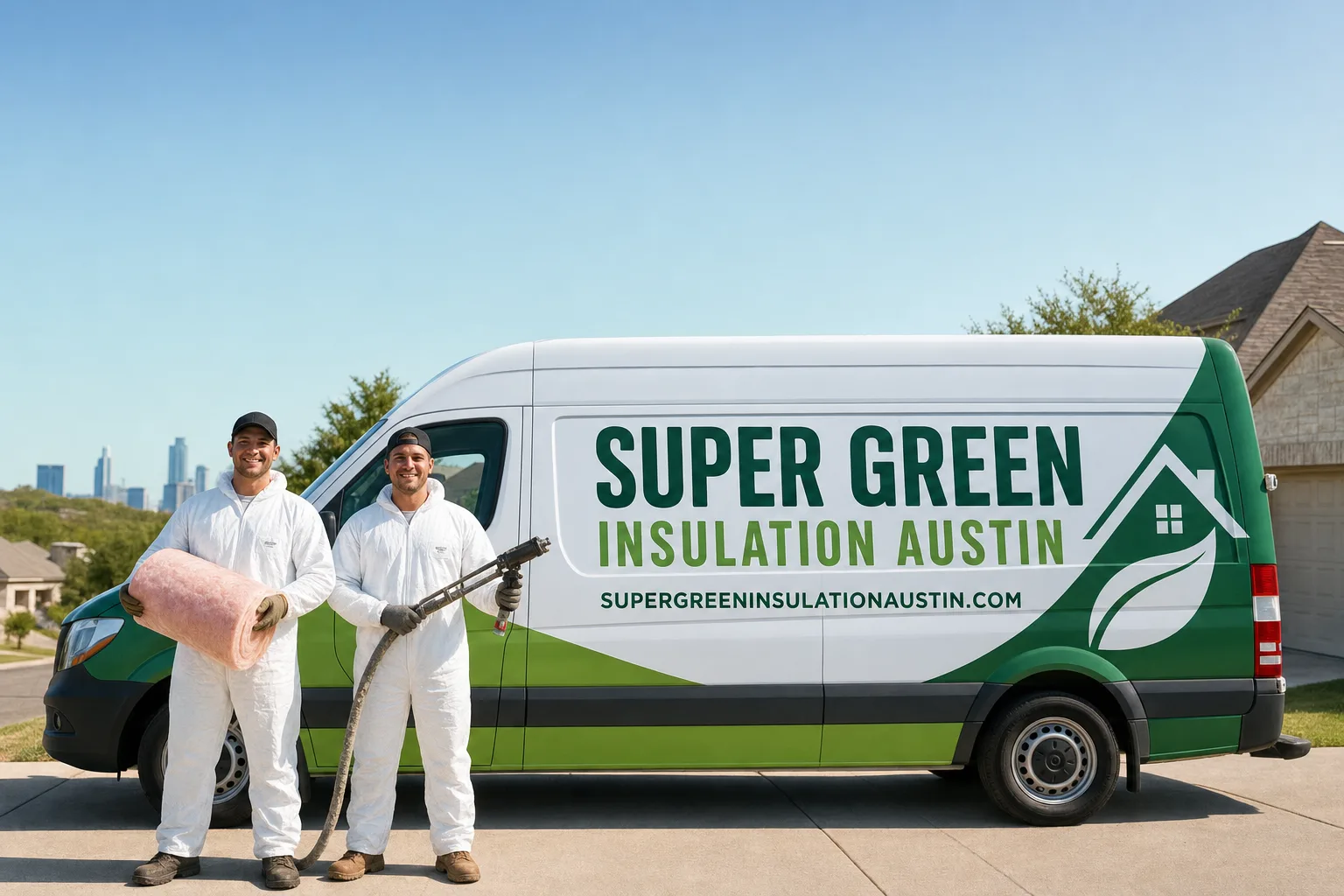
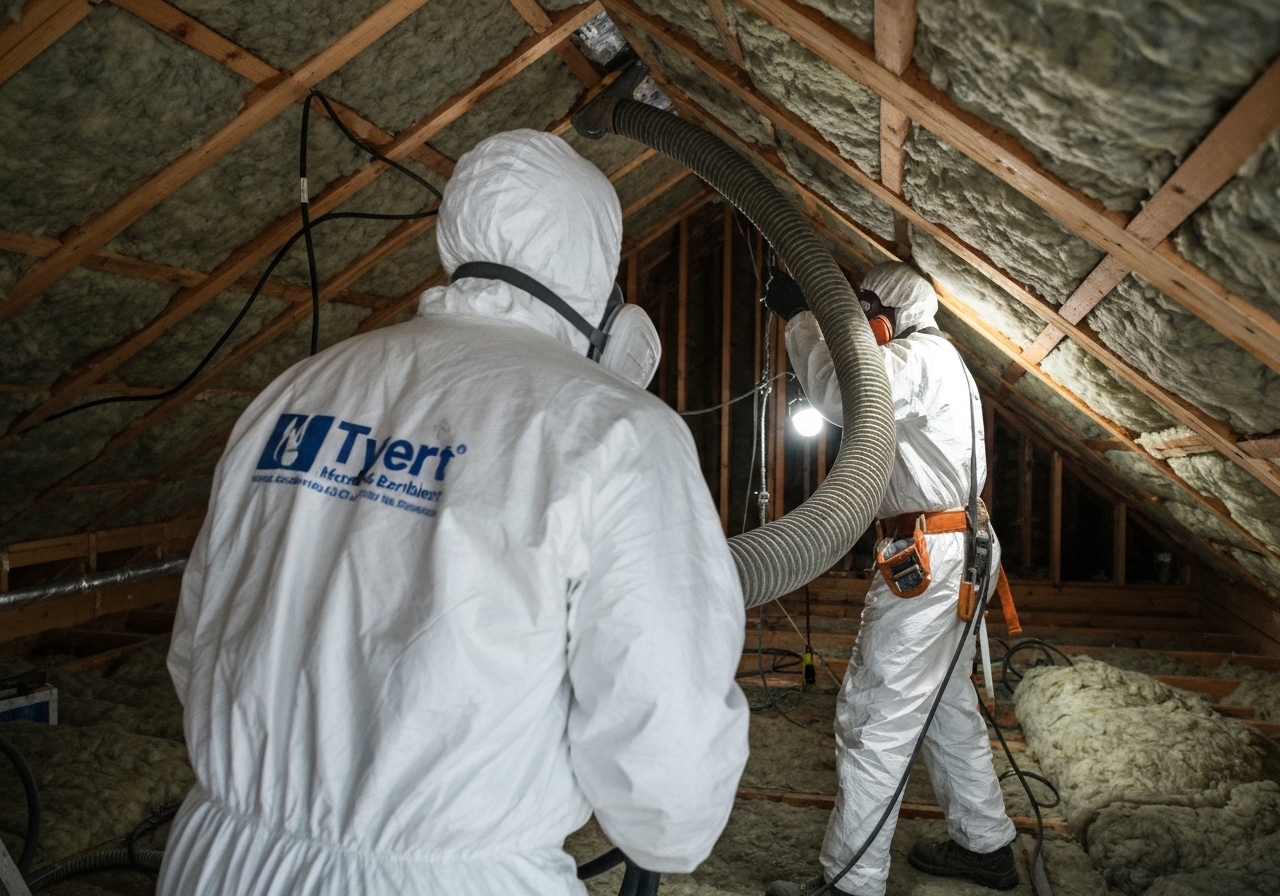
Tom Hopkins has led our team for more than 16 years, and a significant portion of that work has been right here in Downtown & Central Austin — in the craftsman bungalows off Speedway, the pier-and-beam duplexes near West Campus, and the converted brick buildings that line the Warehouse District. That’s not a sales line; it’s why neighbors here keep calling us first.
Our 784 verified reviews average 4.9 out of 5 stars, and a meaningful share of those came from homeowners and landlords in the 78701, 78703, and 78705 ZIP codes who were dealing with exactly the kind of stubborn heat and moisture problems unique to central-city structures. When a Hyde Park homeowner says we “finally explained why their upstairs stayed 10 degrees hotter,” that feedback shapes how we approach every job on this side of town.
Tom Hopkins personally trains every technician to recognize the construction details specific to Downtown & Central Austin’s housing stock — balloon-frame walls, open crawl spaces, uninsulated masonry — so nothing surprises our crew when they pull into your driveway.
Our Moisture & Radiant Barriers Services in Downtown & Central Austin
Radiant Barrier Installation
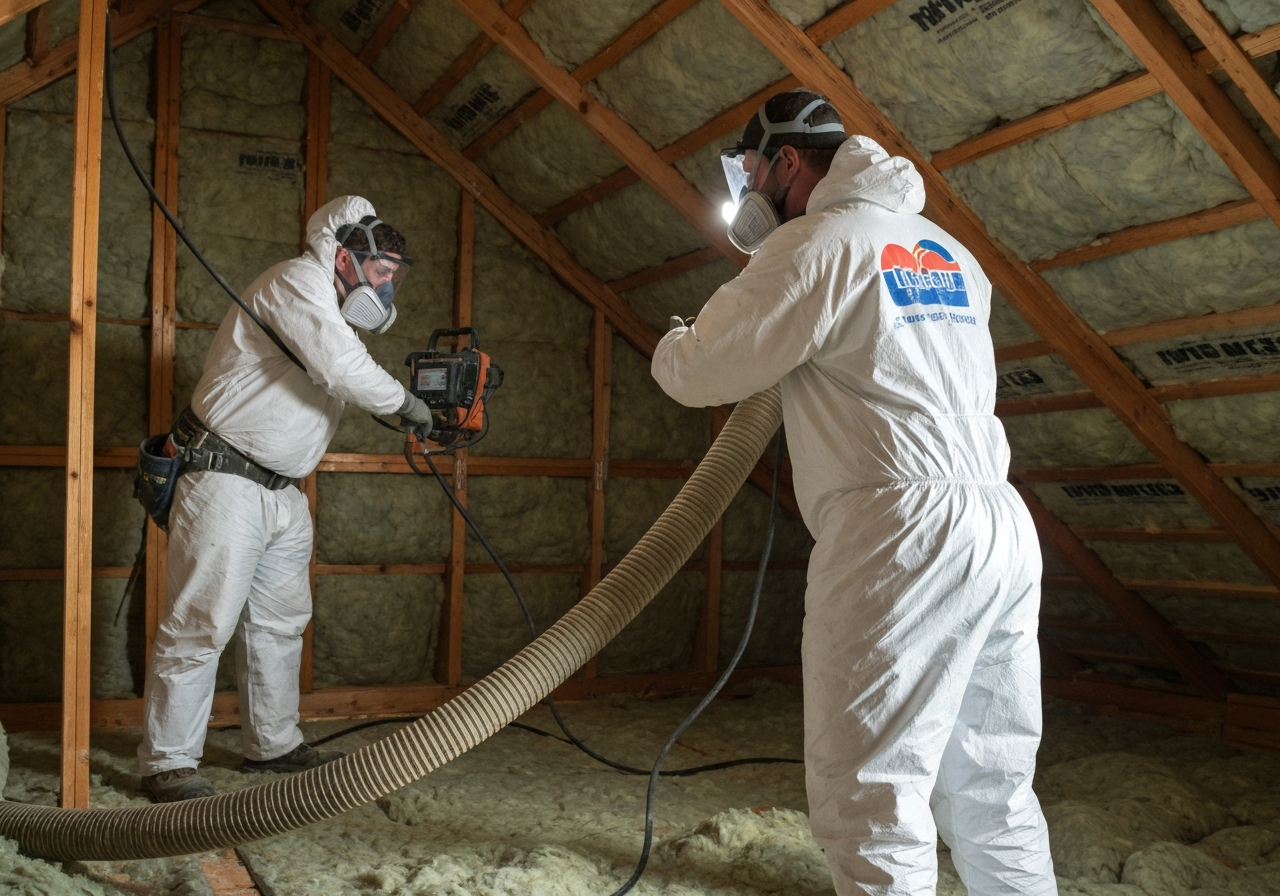
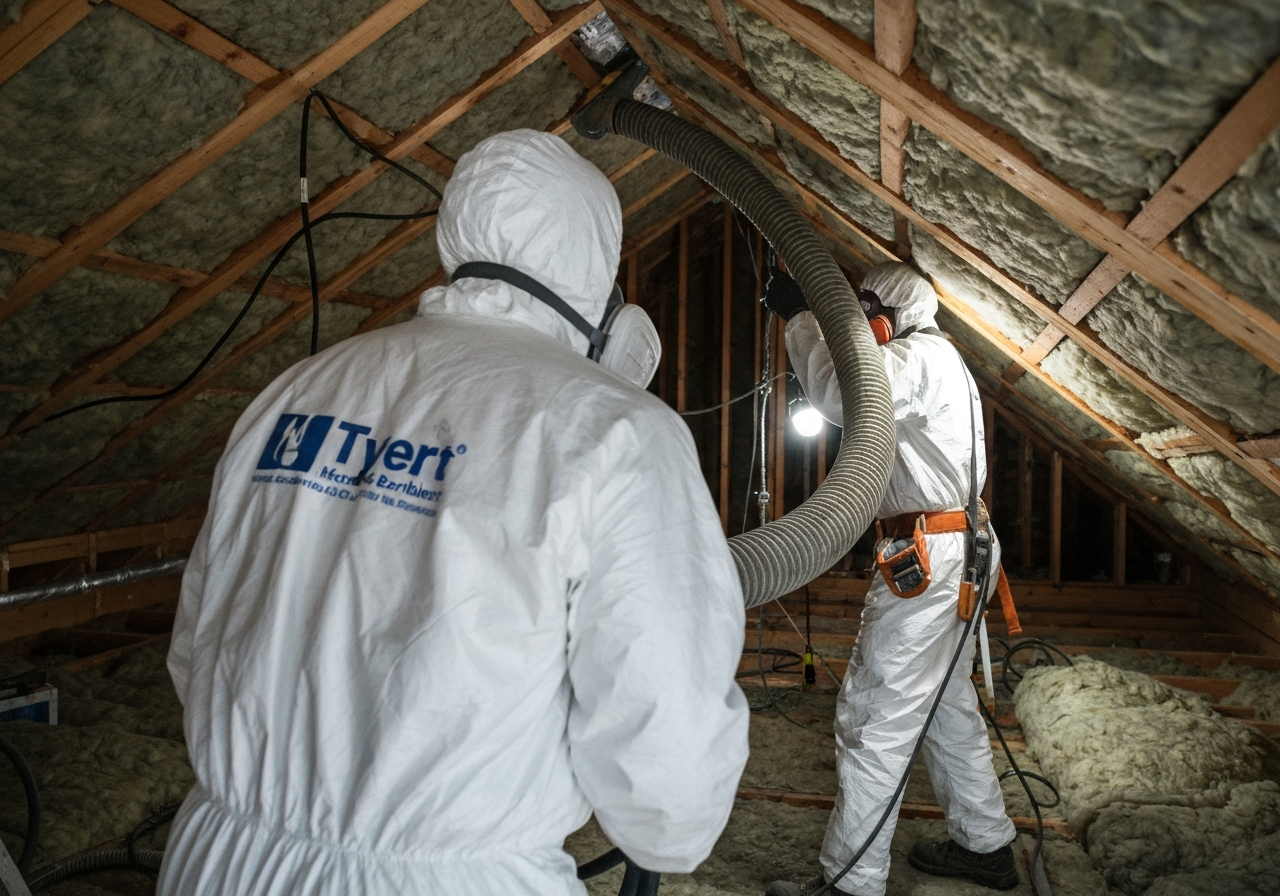
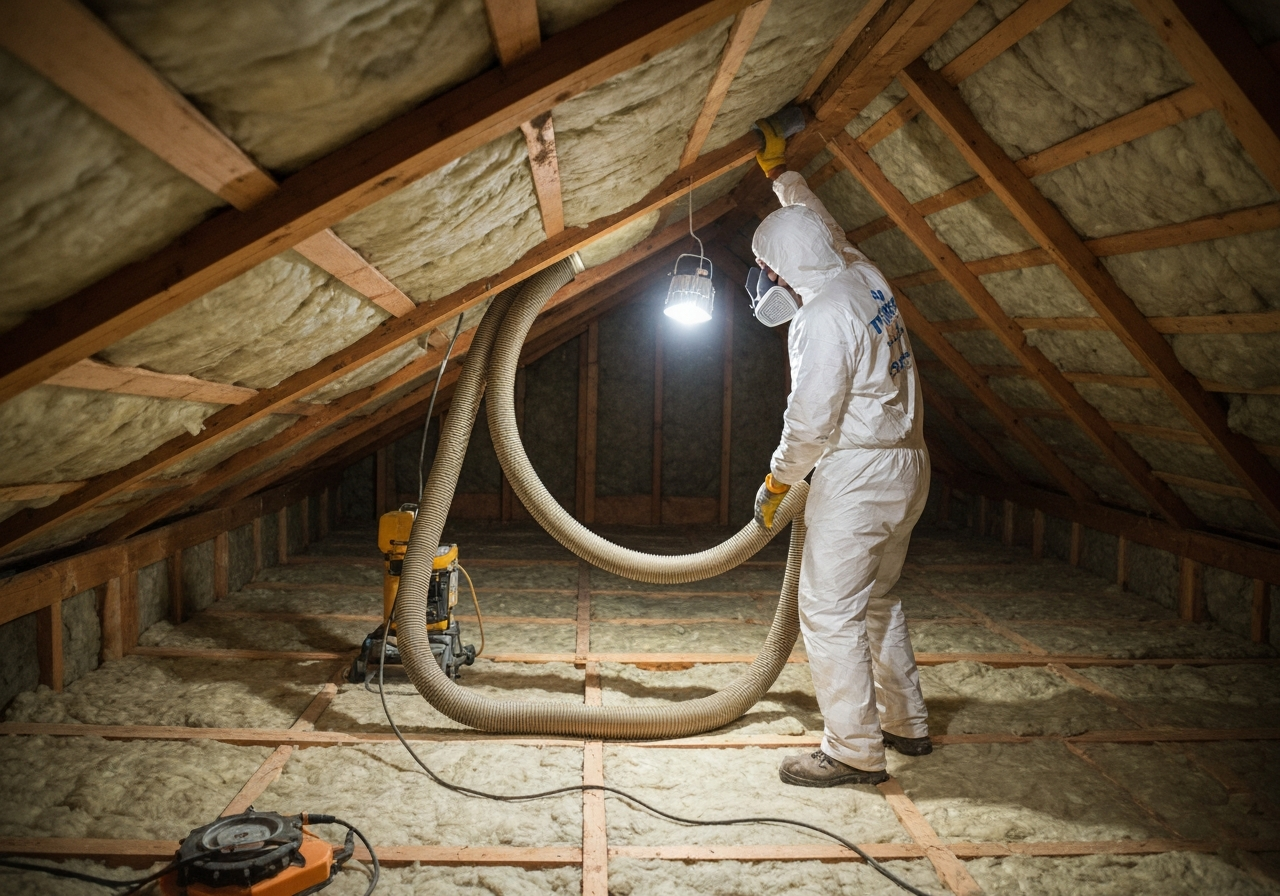
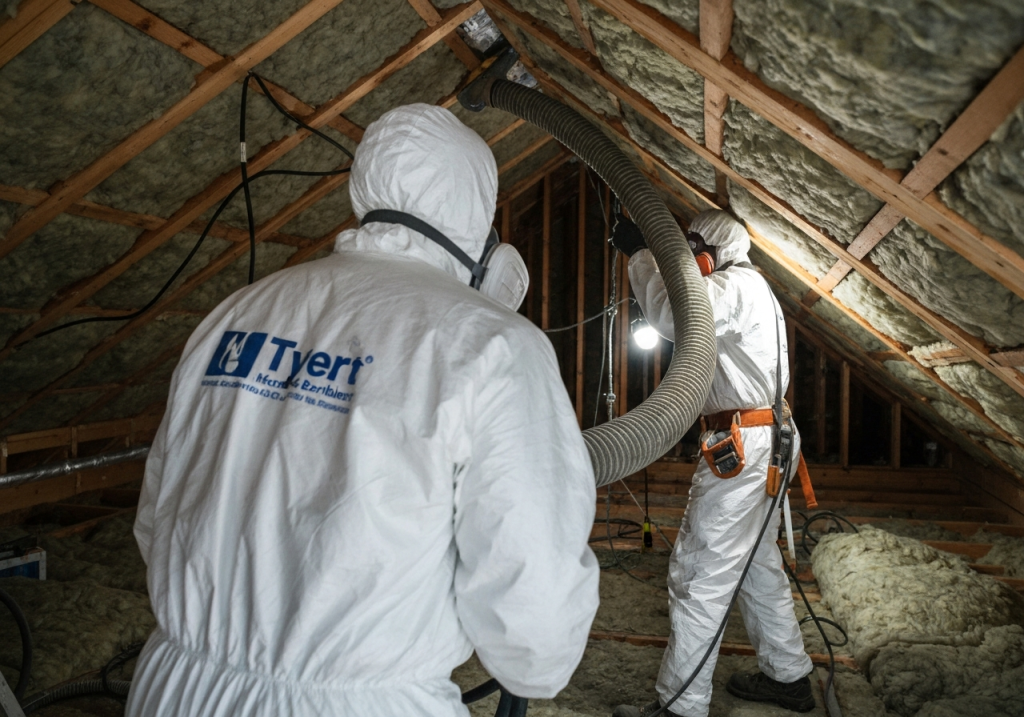
Downtown & Central Austin sits inside Austin’s urban heat island, where summer ambient temperatures run 5–8°F hotter than the surrounding suburbs — and unshaded attic assemblies in older central-city homes regularly push past 150°F on a July afternoon. A properly installed radiant barrier reflects up to 97% of that infrared heat before it ever loads your living space, giving your air conditioner a fighting chance. We install foil-faced radiant barrier decking and draped systems depending on your attic’s configuration, and we choose materials rated for the sustained temperatures these Downtown & Central Austin attics actually reach.
For pier-and-beam homes concentrated around Hyde Park and West Campus, radiant barrier work often needs to address both the attic and the floor assembly simultaneously. These structures are attacked from above by radiant attic heat and from below by ground-radiated heat — a thermal sandwich that a single-surface solution won’t resolve. We assess both planes on every pier-and-beam job in Downtown & Central Austin before we recommend a scope of work.
Vapor Barrier Installation
Austin’s IECC Climate Zone 2A designation means the city carries one of the most aggressive humidity loads in the continental U.S., and Downtown & Central Austin’s dense urban fabric traps moisture at the ground level in ways that newer slab-on-grade neighborhoods simply don’t experience. For pier-and-beam homes with open crawl spaces — common throughout the 78705 and 78703 ZIP codes — an unprotected soil surface pumps ground moisture directly into your floor system, feeding mold, wood rot, and elevated indoor humidity year-round.
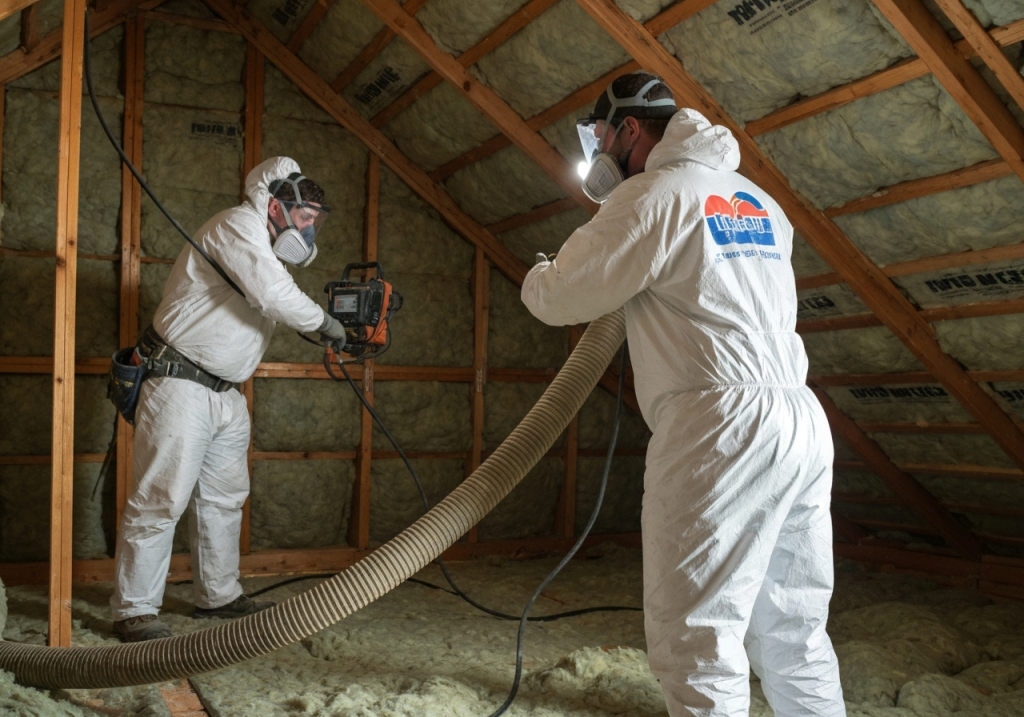
We install 6-mil through 20-mil reinforced polyethylene vapor barriers, sealed at seams and lapped up foundation walls, to cut that moisture drive at the source. For the Warehouse District’s converted masonry buildings, we also address vapor drive through uninsulated brick walls, where the thermal mass holds moisture long after a rain event. Every vapor barrier installation we complete in Downtown & Central Austin is sized and specified to the actual ground conditions and foundation type we find on-site — not pulled from a generic checklist.
Trusted Brands We Service in Downtown & Central Austin
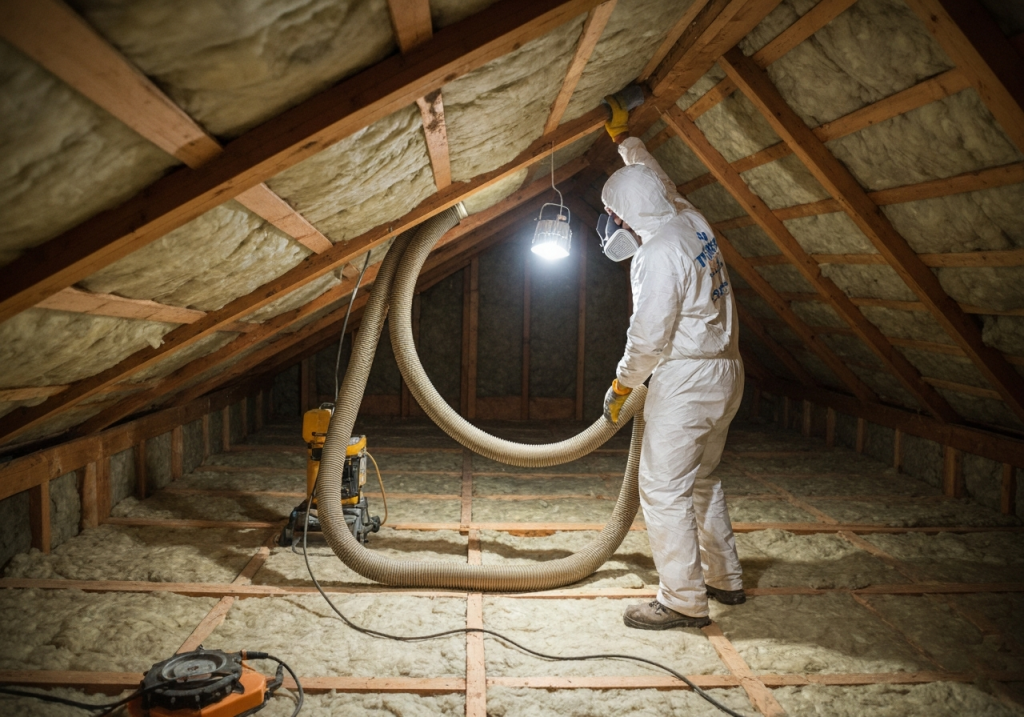
We stock and install materials from the brands that consistently perform in Central Texas’s demanding climate: Owens Corning, Johns Manville, Knauf, Rockwool, CertainTeed, Icynene, Demilec, and GreenFiber are all part of our regular inventory. Because we serve Downtown & Central Austin continuously — not as an occasional service call — we keep locally relevant materials on our trucks and at our supply points, which means we’re not waiting on special orders to start your job. Fast turnaround matters when Austin summers don’t wait.
Common Moisture & Radiant Barriers Problems We See in Downtown & Central Austin Homes
- Uninsulated pier-and-beam floor assemblies in Hyde Park and West Campus rentals. Dozens of 1940s–1960s duplexes in these neighborhoods were built with no underfloor insulation whatsoever — the floor sits directly above an open, ventilated crawl space. Without a vapor barrier below and insulation above, tenants and owners alike pay for conditioned air that bleeds straight into the ground.
- Radiant heat buildup in attics over craftsman bungalows with shallow roof pitches. The low-slope roofs common on 1910s–1940s craftsman homes along streets like Duval and Avenue B leave almost no attic buffer between the roofline and the ceiling. Surface temperatures in these tight spaces routinely exceed 160°F, and without a radiant barrier, that heat radiates down through the ceiling assembly all afternoon and into the evening.
- Moisture intrusion through uninsulated masonry walls in Warehouse District conversions. Converted brick loft buildings near West 5th Street were never designed as conditioned residential space. Their unreinforced masonry walls absorb and release moisture with every rain cycle, and without an interior vapor management strategy, condensation collects on cool surfaces and encourages mold growth behind drywall finishes.
- Missing or degraded vapor barriers in older central-city crawl spaces. Even homes that had a vapor barrier installed decades ago often have plastic that has torn, shifted, or simply degraded past useful performance. We see this regularly in 78703 and 78705 properties — a compromised barrier is almost as ineffective as no barrier at all, and the moisture damage it fails to prevent compounds quietly for years.
Pricing for Moisture & Radiant Barriers in Downtown & Central Austin, TX
A typical radiant barrier installation in Downtown & Central Austin runs $1,400–$3,200 for a standard single-family attic, with pier-and-beam homes that need both attic and floor-assembly coverage ranging from $2,800–$5,500 depending on square footage and access conditions. Vapor barrier installation for a crawl space in the 78703–78705 corridor generally falls between $900 and $2,600, with the higher end reflecting larger crawl spaces, difficult access under low-clearance pier-and-beam foundations, or heavy-mil reinforced material for persistently wet conditions. Warehouse District masonry projects are scoped individually because wall areas and existing conditions vary widely. All estimates are free, and Austin Energy rebate paperwork is something Tom Hopkins’s team has helped dozens of Downtown & Central Austin customers complete — so ask us about it when you call (866) 434-2901.
We Also Serve Cities Near Downtown & Central Austin
Our work doesn’t stop at the Downtown & Central Austin city core. We regularly handle moisture and radiant barrier projects in East Austin, South Austin, North Central Austin, Northwest Austin, and Southwest Austin, as well as communities just beyond the city limits including West Lake Hills, Del Valle, and McNeil in the Pflugerville area. Same crew, same standards, same fast response.
Serving Downtown & Central Austin, TX — Our Local Coverage Area
We’re based in the Downtown & Central Austin area and know this community well. Use the map below to see our service coverage — if you’re nearby, we can almost certainly help.
FAQs — Moisture & Radiant Barriers in Downtown & Central Austin
We can typically reach Downtown & Central Austin addresses within one business day for a free on-site estimate. Because we’re a Central Austin team — not a regional contractor driving in from the suburbs — scheduling a visit to a home near the Warehouse District or Hyde Park rarely requires more than a single phone call to (866) 434-2901.
Yes — we serve every neighborhood in Downtown & Central Austin, including West Campus, Hyde Park, the Warehouse District, and all ZIP codes in the 78701–78705 range. These are actually neighborhoods where we do some of our most consistent work, given the concentration of older pier-and-beam housing that needs both vapor and radiant barrier attention.
Same-day service is available in Downtown & Central Austin for urgent situations — call (866) 434-2901 early in the day and we’ll do everything we can to get a crew to you. Active moisture intrusion into a crawl space or a post-storm attic situation are cases where we prioritize fast response, and our proximity to the central city makes that possible more often than not.
Project costs in Downtown & Central Austin are generally in line with the broader Austin metro, though older housing stock here sometimes adds labor time — tight crawl spaces under historic pier-and-beam homes or tricky attic access in low-slope craftsman rooflines can extend a job. That said, Austin Energy’s rebate program, which specifically targets the older central-city housing stock that dominates this ZIP code area, can offset a meaningful portion of the installed cost in ways that aren’t available in newer suburban markets.
All moisture and radiant barrier installations we complete in Downtown & Central Austin are backed by our workmanship warranty, and the material warranties from manufacturers like Owens Corning and Johns Manville transfer directly to you as the property owner. Tom Hopkins stands behind every job personally — if something isn’t right after installation, we come back and make it right, no runaround.
Written by the team at Super Green Insulation Austin, serving Downtown & Central Austin since 2009.