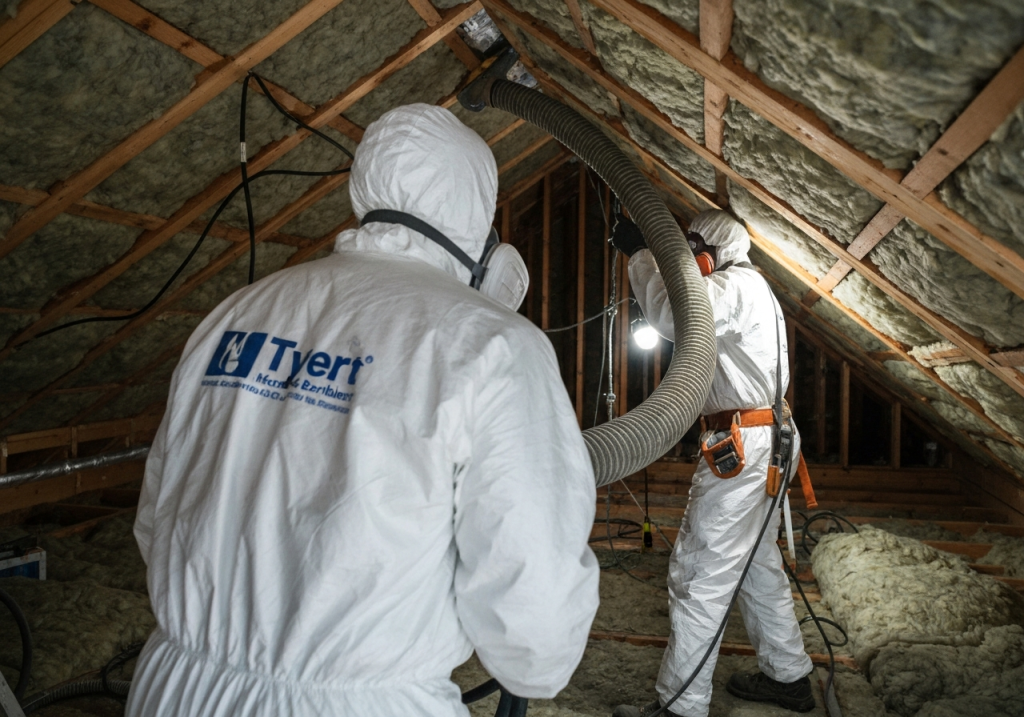
Moisture & Radiant Barriers in East Austin, TX
If your East Austin home feels like a furnace by noon in July, or you noticed frost creeping under your floors during the February 2021 freeze, you’re dealing with a problem that’s built into the bones of your house — not just the weather. East Austin’s stock of 1920s–1950s pier-and-beam bungalows was designed before mechanical cooling was a given, and most of them have never had proper radiant or moisture protection installed. We’ve been solving exactly this problem for East Austin homeowners for over 16 years. Call us anytime at (866) 434-2901 — we’re typically on-site in East Austin within 24 to 48 hours.
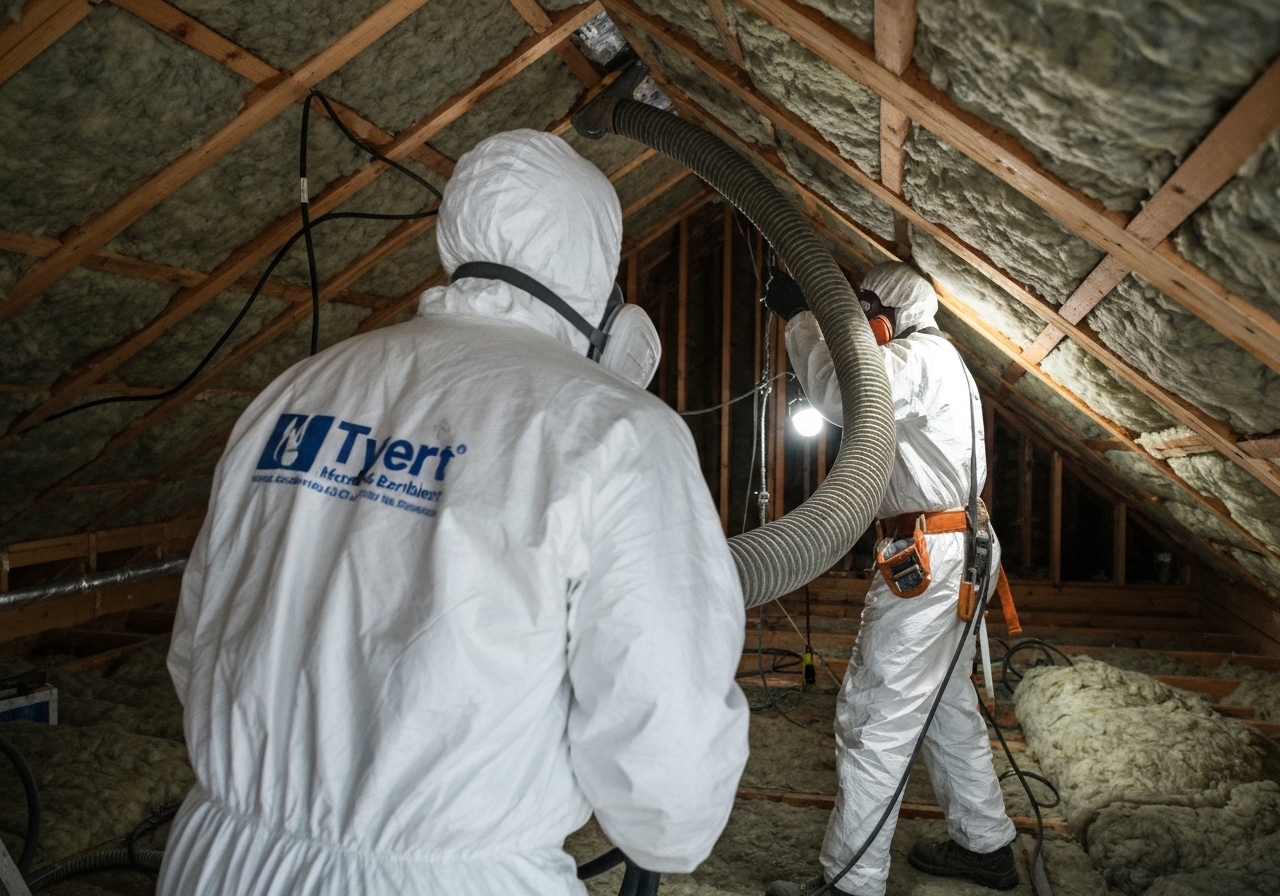
Why Super Green Insulation Austin Is East Austin’s Preferred Moisture & Radiant Barriers Company
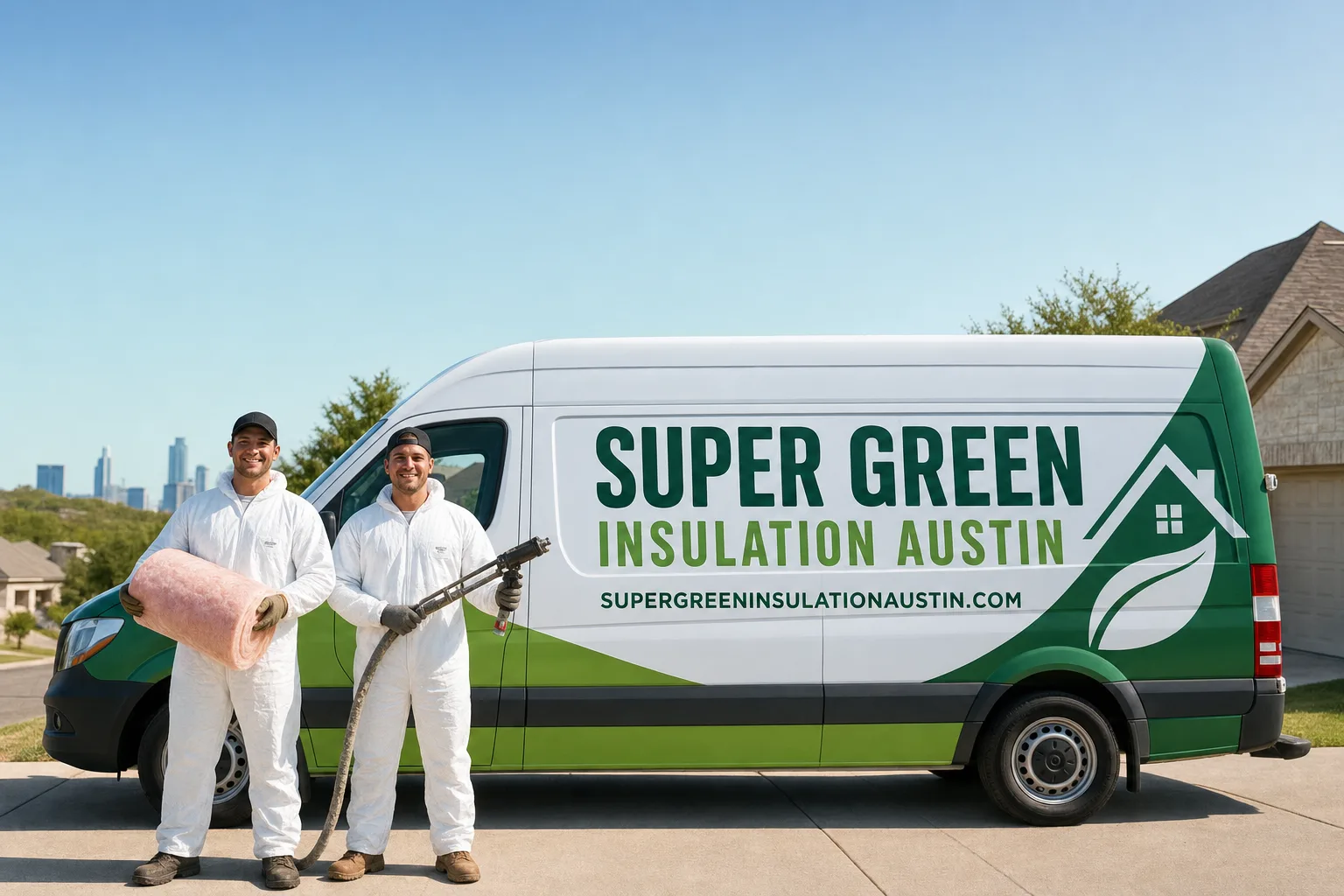
Tom Hopkins has led our crew through more than 16 years of Austin insulation work, and a significant share of that time has been spent on the kind of occupied historic retrofits that define East Austin’s market — intact plaster walls, original hardwood floors, and crawl spaces that have never seen a vapor barrier in their lives. That hands-on familiarity with East Austin’s housing quirks means we don’t show up and figure it out as we go.
Our customers have left 784 verified reviews averaging 4.9 out of 5 stars, and a meaningful portion of those reviews come from homeowners and investors working in ZIP codes 78702, 78722, and 78723 — the core of the East Austin bungalow belt. Reviewers consistently mention that Tom Hopkins and the team understood their older home’s constraints from the first walkthrough.
When you call (866) 434-2901, you’re talking to people who know the difference between a Mueller new-build that just needs air-sealing tuned up and a Cherrywood cottage that needs a full crawl-space vapor barrier plus a radiant barrier stapled to the attic rafters — and who can price and schedule both the same week.
Our Moisture & Radiant Barriers Services in East Austin
Radiant Barrier Installation
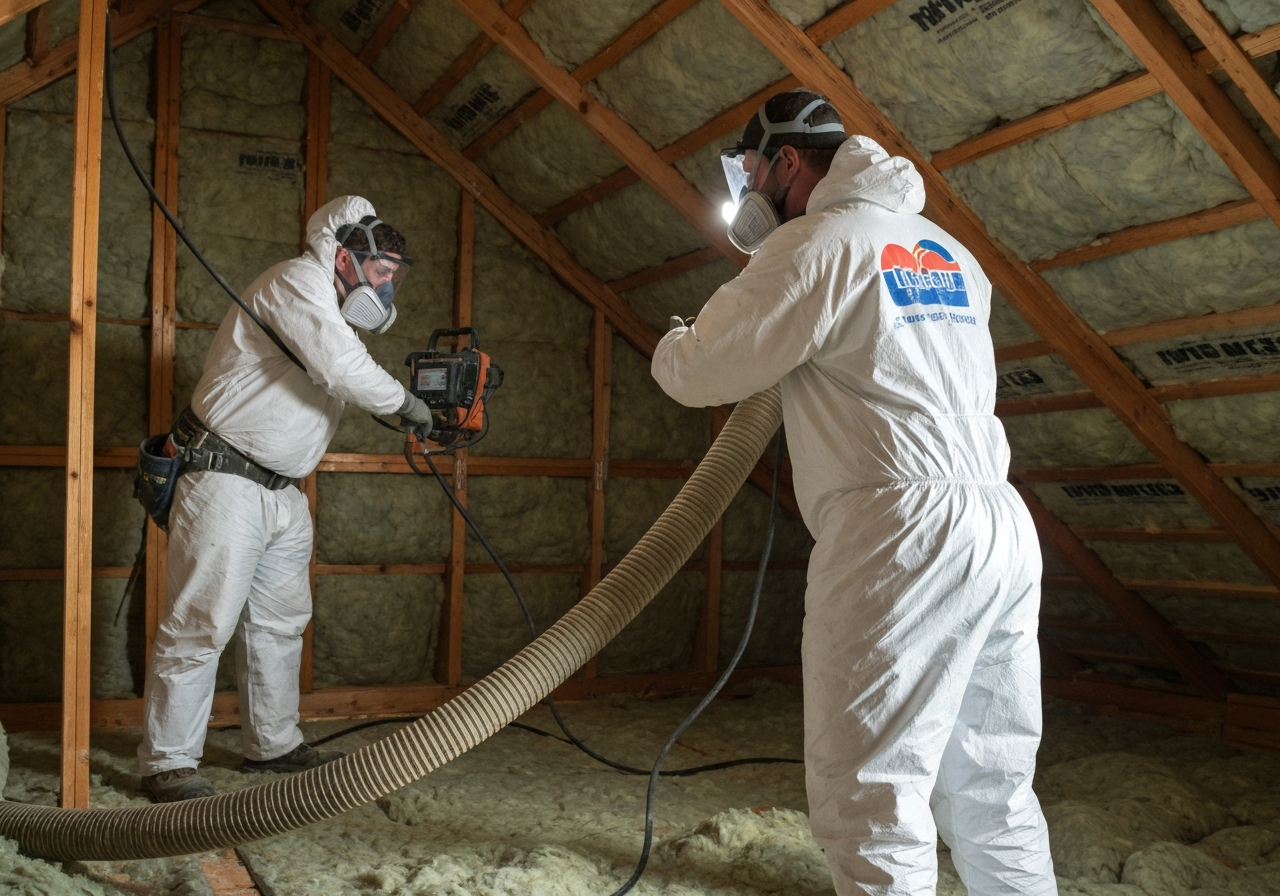
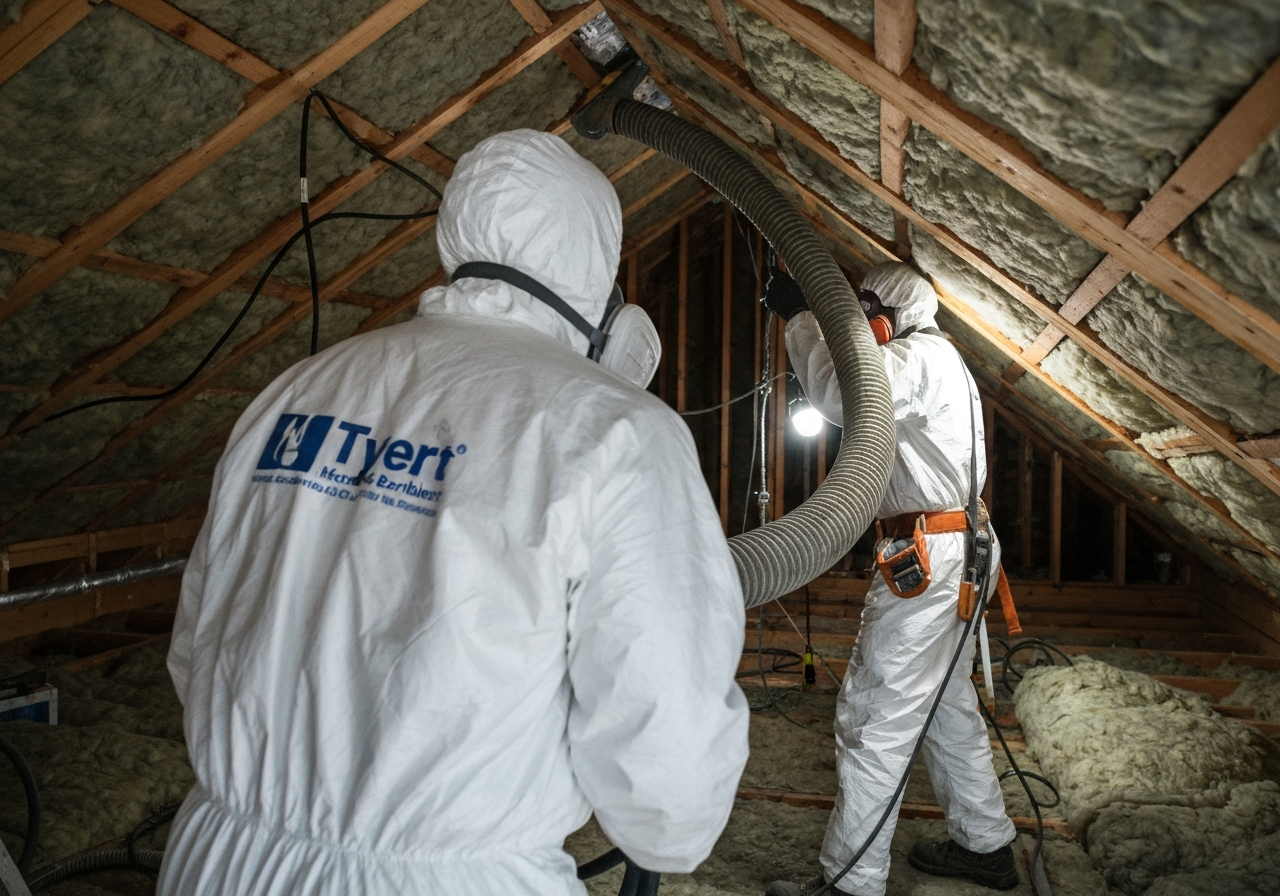
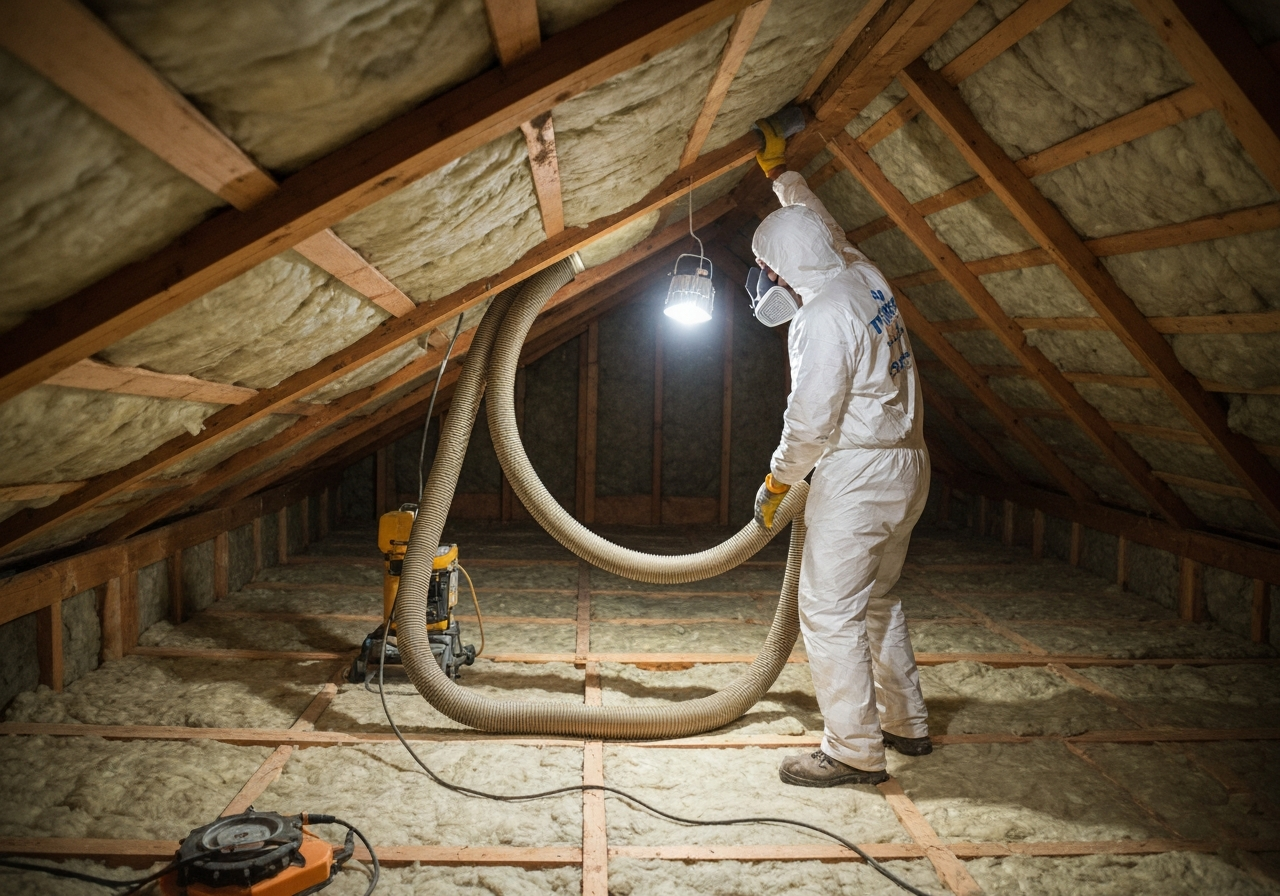
East Austin’s low-slope, dark-shingled rooftops absorb heat aggressively, and attic temperatures regularly climb past 140°F on a July afternoon — a figure that overwhelms standard insulation alone. A radiant barrier — typically a foil-faced product we source from trusted manufacturers including Owens Corning and CertainTeed — is stapled to the underside of the roof deck or draped over attic floor joists, reflecting that radiant heat load before it ever reaches your living space. In the dense urban core around East 6th and Cherrywood, where homes sit close together and shade from neighboring structures is inconsistent, this upgrade can cut cooling costs by 15–25% on its own.
For East Austin’s pier-and-beam cottages, we also evaluate whether a secondary radiant layer under the floor decking makes sense — particularly for homes on 78721 or 78724 lots where the crawl space faces south and absorbs ground-reflected heat through the summer.
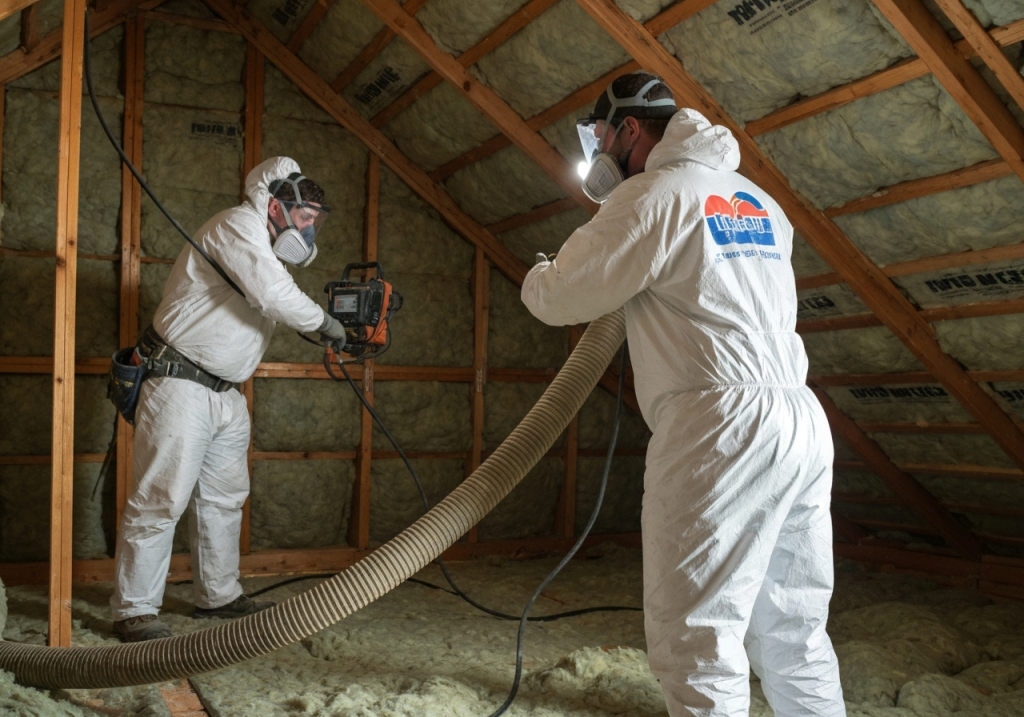
Vapor Barrier Installation
Austin sits in Climate Zone 2, which means hot and humid — and East Austin’s crawl spaces sit directly above soil that holds moisture year-round. Without a proper ground vapor barrier, that moisture migrates upward through your subfloor, accelerating wood rot, feeding mold, and driving up indoor humidity levels that make your AC work harder. We install heavy-mil polyethylene vapor barriers across the crawl space floor, sealed at seams and mechanically fastened at the perimeter, meeting current IRC requirements for vented and encapsulated crawl spaces alike.
In Govalle and along the corridor near Plaza Saltillo, we frequently work on homes mid-renovation where the crawl space has been opened up for plumbing work — making it the ideal moment to lay a vapor barrier before the floors go back down. We coordinate directly with GCs and flippers to hit that window.
For above-grade applications, we use vapor retarder membranes compatible with blown-in cellulose and injection foam assemblies — including products from Johns Manville, Knauf, and Demilec — ensuring the wall system manages moisture without trapping it.
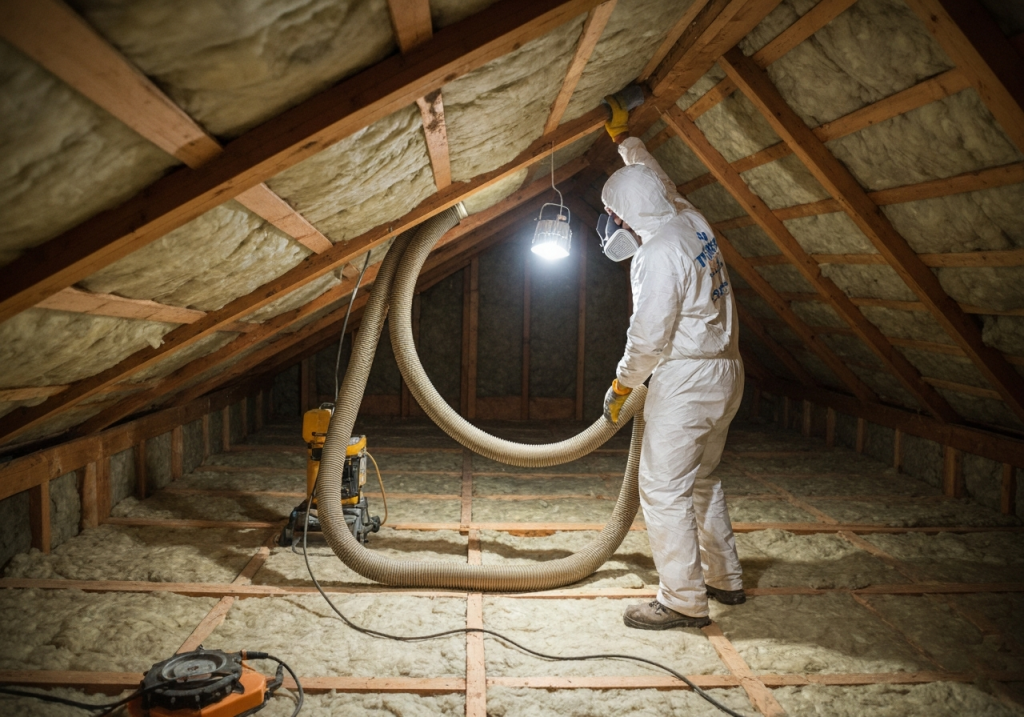
Trusted Brands We Service in East Austin
We stock and install materials from Owens Corning, Johns Manville, Knauf, Rockwool, CertainTeed, Icynene, Demilec, and GreenFiber — keeping East Austin-area inventory on hand so we’re not waiting on supply-chain delays to schedule your job. For East Austin’s older homes, we specifically stock GreenFiber dense-pack cellulose and Demilec injection foam in quantities suited to the wall-cavity retrofit work that dominates this market. Our East Austin customers get the same nationally trusted products as anyone else in the metro, delivered with a crew that understands the specific building assemblies they’re going into.
Common Moisture & Radiant Barriers Problems We See in East Austin Homes
- Unprotected pier-and-beam crawl spaces with bare soil floors: The majority of East Austin bungalows in Cherrywood and Govalle were built without any ground cover under the house. Exposed soil releases moisture constantly, saturating the subfloor joists and creating conditions for wood decay and mold within a few seasons.
- Attic temperatures exceeding 140°F due to low-slope dark roofing: East Austin’s urban density means rooftops stay hotter longer with less air circulation than suburban lots. Without a radiant barrier, that heat load transfers directly into the living space and forces air conditioning systems to run near-continuously during peak summer months.
- Post-freeze pipe damage linked to uninsulated floor systems: The February 2021 freeze hit East Austin’s pier-and-beam stock hard because there was nothing between the pipes running through the crawl space and outdoor air temperatures. We still encounter homes in 78702 and 78723 where the plumbing was repaired but the floor insulation and vapor barrier were never addressed.
- Moisture intrusion in actively flipped historic homes with preserved finishes: In Mueller-adjacent blocks and along the East 6th corridor, flippers routinely preserve original plaster and hardwood specifically because buyers pay a premium for them — but that means the wall cavities remain empty until we drill through the exterior sheathing and dense-pack them. Empty cavities in a hot-humid climate are moisture conduits waiting to cause problems.
Pricing for Moisture & Radiant Barriers in East Austin, TX
A typical radiant barrier installation in East Austin runs $1,200–$2,800 for a standard single-story bungalow attic, depending on attic accessibility and square footage — pier-and-beam homes with low roof pitches can add labor time. Vapor barrier installation for an East Austin crawl space generally falls between $900 and $2,400, with the low end covering a straightforward open crawl space and the upper range reflecting full encapsulation with sealed seams, perimeter fastening, and any prep work needed on older piers or beams. Homes mid-renovation with open access often land toward the lower end. Combined radiant and vapor barrier projects in the 78702–78723 ZIP code cluster average around $2,500–$4,500 all-in. Call (866) 434-2901 for a free on-site estimate — we’ll give you a fixed-price quote before any work begins.
We Also Serve Cities Near East Austin
Beyond East Austin, our moisture and radiant barrier crews regularly work throughout Downtown & Central Austin, South Austin, North Central Austin, Northwest Austin, Southwest Austin, West Lake Hills, Del Valle, and McNeil in the Pflugerville area. If your job sits on the edge of East Austin or spans multiple neighborhoods, we cover it — one crew, one quote.
Serving East Austin, TX — Our Local Coverage Area
We’re based in the East Austin area and know this community well. Use the map below to see our service coverage — if you’re nearby, we can almost certainly help.
FAQs — Moisture & Radiant Barriers in East Austin
We’re typically on-site in East Austin within 24 to 48 hours of your call. Because a significant portion of our active jobs are already in East Austin ZIP codes like 78702, 78722, and 78723, we’re rarely routing from far away — which means faster scheduling than you’d get from a company based in the suburbs.
Yes — we serve every East Austin neighborhood, including Cherrywood, Mueller, East 6th, Govalle, and Plaza Saltillo, as well as the outer ZIP codes 78724 and 78725. We’re familiar with the specific building types in each of these areas, which matters because a Mueller townhouse and a Cherrywood bungalow require completely different approaches to moisture and radiant barrier work.
Yes, we can prioritize emergency scheduling for East Austin customers dealing with active moisture intrusion or post-storm crawl space flooding. Call (866) 434-2901 directly and tell us it’s urgent — our dispatch knows East Austin well enough to route quickly, and we keep crawl space materials stocked for same-week installs.
Not necessarily higher overall, but the job scope is often larger. East Austin’s pier-and-beam bungalows frequently need both a crawl space vapor barrier and an attic radiant barrier done simultaneously, whereas a newer ranch home in Southwest Austin might only need one or the other. The per-square-foot rate is consistent across the metro, but East Austin jobs tend to require more preparation work in older crawl spaces — which is already factored into the ranges we quote.
We back all East Austin installations with a workmanship warranty on labor, and the materials we install — including products from Owens Corning, CertainTeed, and Johns Manville — carry their full manufacturer warranties. Tom Hopkins stands behind every job personally, and if anything isn’t right after installation, we return and make it right at no additional charge.
Written by the team at Super Green Insulation Austin, serving East Austin since 2009.