
Quick Summary
When searching for commercial insulation contractors near me, builders and property managers often face unexpected fees, project delays, and unqualified crews that compromise their building's thermal efficiency. To secure a code-compliant, high-performance thermal envelope without surprise costs, stakeholders must verify contractor credentials, analyze thermal weaknesses, and partner with a transparent provider like Super Green Insulation Austin. This guide helps readers evaluate material costs and prepare their properties for installation, enabling them to confidently contact Super Green Insulation Austin to request a free, upfront estimate for their commercial project.
Note: The advice in this guide is applicable nationally.
How to Choose Commercial Insulation Contractors Without Hidden Fees
With the U.S. insulation contractor market valued at roughly $13.6 billion, finding a reliable partner has become surprisingly difficult. If you are searching online for “commercial insulation contractors near me,” you are likely trying to solve a direct, concrete problem: a spike in your monthly utility bills, drafts in your workspace, or an attic space that feels like an oven by noon.[1] See also How to Get Attic Insulation Cost Right in Austin.
In the construction and property management sectors, projects often get derailed by slow response times, unqualified crews, and surprise fees tacked onto the final invoice. To protect your bottom line, you need a contractor like Super Green Insulation Austin who provides transparent, upfront pricing, holds the proper credentials, and understands the specific demands of local building codes.[4]
What You Need Before Hiring a Commercial Insulation Contractor
Before you start calling local firms, gather three essential pieces of information: 12 months of utility statements, your property’s physical specifications, and a basic understanding of local energy codes. Having these ready keeps the bidding process straightforward and protects you from unexpected project delays.
Your Commercial Insulation Checklist
While directories like Angi make it easy to find commercial insulation companies and compare reviews, doing your own homework is your best defense against hidden fees. Before reaching out to local providers, prepare the following:
- Your Utility History: Gather a year’s worth of energy bills. This helps contractors spot seasonal spikes and calculate your potential return on investment.
- Property Specifications: Know your building’s square footage, ceiling heights, and current insulation types, whether you manage a retail space or a warehouse.
- Local Code Requirements: Ensure you are aware of municipal energy conservation codes, which dictate minimum R-value standards for commercial properties.
According to IBISWorld, the commercial insulation industry covers everything from wall cavities and attic spaces to the installation of exterior insulation finish systems. Working with a specialized contractor who understands these distinctions ensures your project is handled correctly from day one.[2]
Step 1: Identify Your Commercial Property’s Thermal Weaknesses
You cannot stop energy loss until you know exactly where your building’s thermal envelope is failing. Pinpointing these weak areas early keeps contractors honest and prevents them from selling you materials or services you do not actually need.
Spotting the Signs of Degraded Insulation
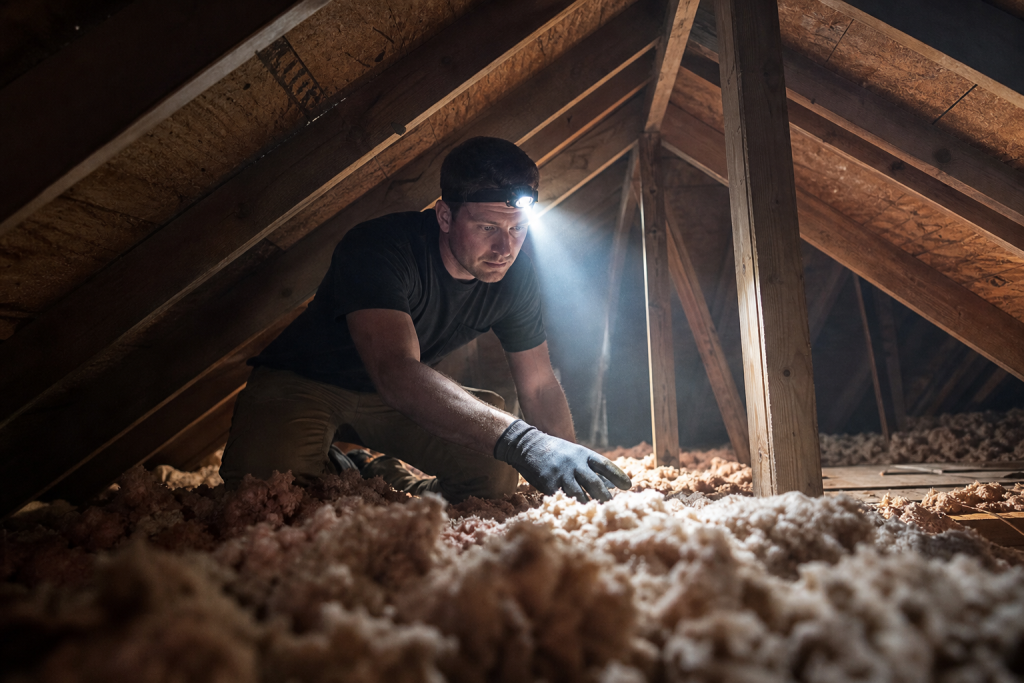
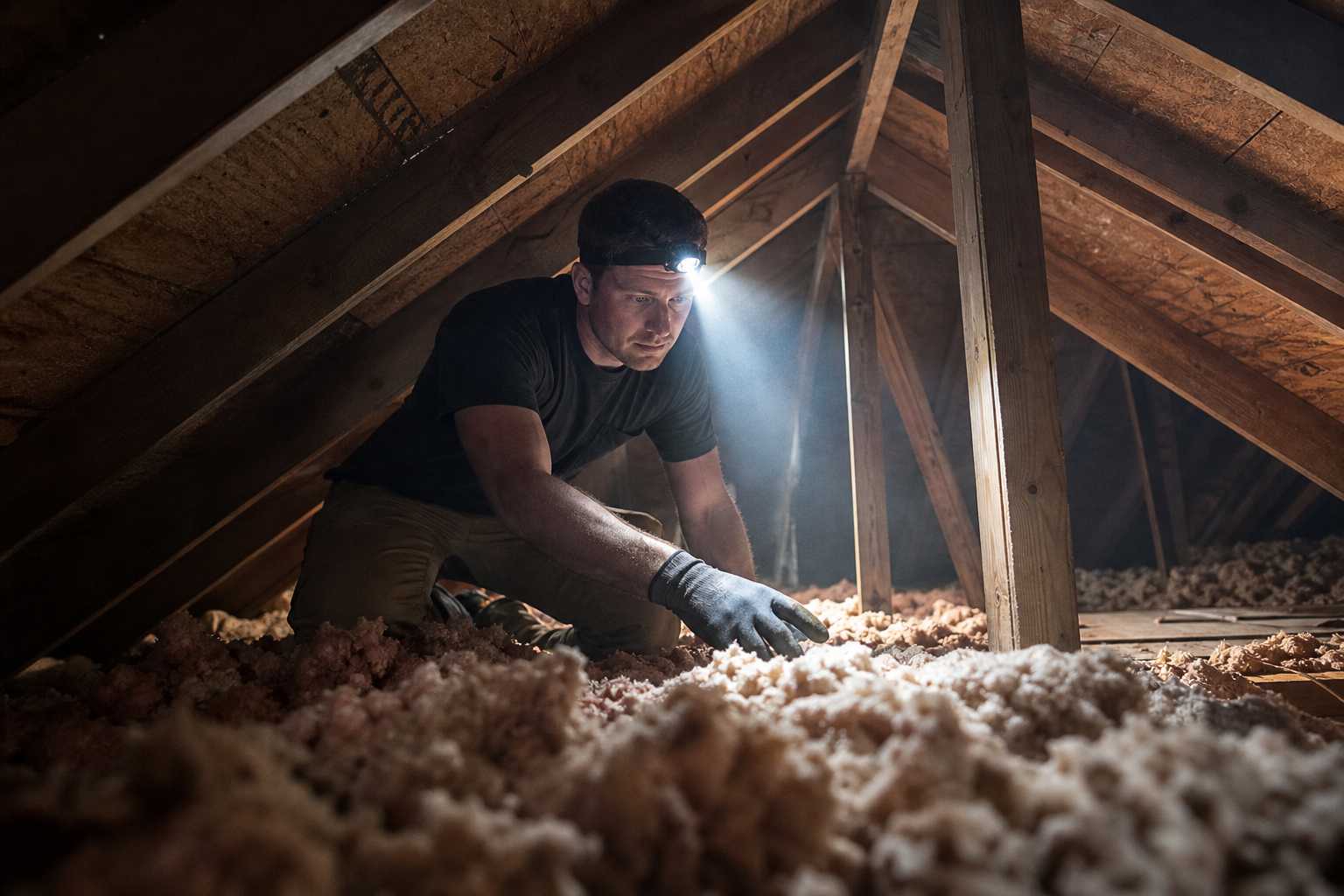
Keep a close eye on uneven indoor temperatures, hot upper-level rooms, and soaring summer electric bills. In regions with high humidity, you should also watch for moisture buildup, mold, or signs of pests in your crawl spaces. Rodent infestations can ruin fiberglass batts, leaving behind contaminated debris that ruins your indoor air quality.
Experienced contractors, such as the team at Super Green Insulation Austin, do not guess where these leaks are. They use thermal imaging cameras and blower door tests during on-site audits to show you exactly where conditioned air is escaping.
Addressing Regional Climate Challenges
Intense summers and sudden winter freezes push commercial HVAC systems to their absolute limits. Out-of-state contractors might understand general building science, but they often lack experience with local humidity and heat patterns. Look for contractors who understand how local weather affects thermal performance, ensuring your building remains comfortable year-round.
Step 2: Determine the Best Insulation Material for Your Building Type
Once you locate your building’s thermal leaks, choosing the right material is your next step. While traditional properties might rely on fiberglass, modern commercial structures often require specialized solutions to handle high heat and humidity.
What is the Best Insulation for a Commercial Metal Building?
Commercial metal buildings heat up rapidly under the sun. Experienced warehouse insulation contractors generally recommend closed-cell spray foam or high-density rigid board insulation for these structures. Closed-cell spray foam is highly effective because it expands to seal gaps, acts as a built-in vapor barrier, and prevents condensation from rusting the steel frame.
| Feature | Closed-Cell Spray Foam | Fiberglass Batts | Radiant Barriers |
|---|---|---|---|
| R-Value per Inch | High (R-6 to R-7) | Medium (R-3 to R-4) | Low (N/A) |
| Air Barrier | Yes (Self-sealing) | No | No |
| Moisture Control | Excellent (Vapor barrier) | Poor (Retains moisture) | Moderate (Reflective only) |
The Benefits of Commercial Spray Foam Insulation
For commercial properties, spray foam installed by Super Green Insulation Austin offers excellent thermal resistance and structural support. It stops air infiltration by filling cracks that standard fiberglass batts cannot reach. This draft-free seal reduces the load on your HVAC system, leading to immediate savings on your monthly energy bills.
Step 3: Calculate Your Estimated Insulation Installation Prices and Budget
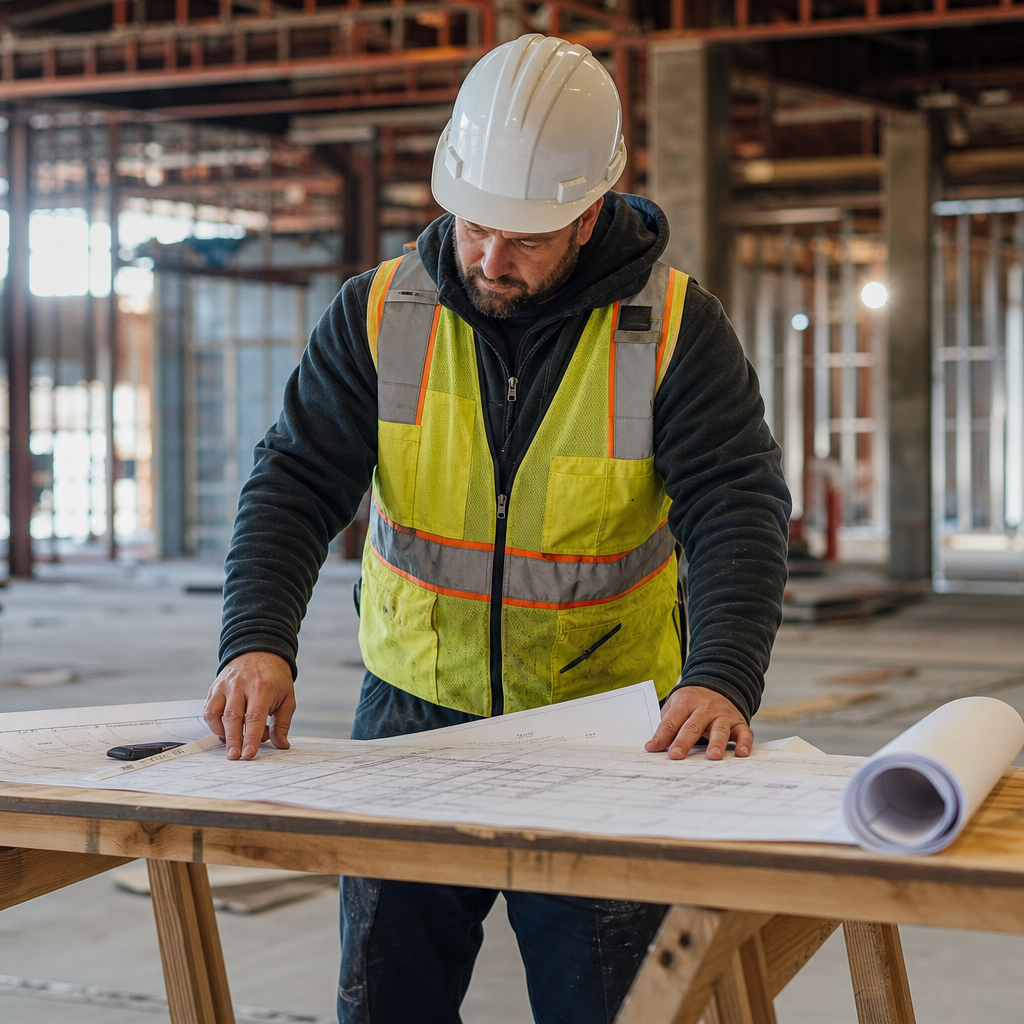
To keep your project on budget, you must balance your upfront material costs against your long-term energy savings. Commercial insulation pricing depends on the material, the size of the area, and how difficult the space is to access.
Understanding Commercial Insulation Cost Per Square Foot
Different materials and building layouts require different investment levels. Please note that commercial insulation costs vary significantly by project type and location. The provided ranges are estimates and actual costs may be higher for complex commercial systems. Here is a realistic cost breakdown for common commercial options:
| Material Type | Avg. Cost per Sq. Ft. | Primary Application |
|---|---|---|
| Fiberglass Batts | $0.65 – $2.00 | Standard wall cavities and dropped ceilings |
| Blown-In Cellulose | $1.00 – $2.50 | Attic floors and hard-to-reach cavities |
| Closed-Cell Spray Foam | $1.50 – $4.00+ | High-performance thermal and vapor barriers |
To avoid hidden fees, ask for an itemized estimate that includes all prep work, cleanup, and old insulation disposal costs. Reputable local contractors, such as Super Green Insulation Austin, will provide these details upfront without any pressure.
Taking Advantage of Federal Tax Deductions and Local Incentives
You can offset your initial installation costs by taking advantage of federal tax deductions and local utility programs. Under Section 179D, which is a federal tax deduction (not a state-specific credit), commercial property owners nationwide can qualify for substantial deductions by upgrading their building envelope’s energy efficiency. This federal deduction is distinct from local utility rebates, which are offered by municipal or regional utility providers for qualifying insulation upgrades.
Step 4: Verify Licensing, Bonding, and Industry Certifications
Do not risk your property by hiring uncertified general handymen to perform specialized commercial work. The insulation industry requires precise technical knowledge to avoid building code violations and moisture traps.
How do I Find Licensed Commercial Insulation Contractors?
Start by verifying the contractor’s business registration and liability insurance. Licensing requirements vary by state. While some jurisdictions have no specific state-level “insulation license” (a claim based on local expertise not found in national research), reputable contractors nationwide hold general business licenses, comprehensive liability insurance, and worker’s compensation policies.
You should also look for national credentials. The Insulation Contractors Association of America (ICAA) offers a Certified Commercial Building Insulation Contractor program, which registers contractors with proven commercial experience and resources. Specialty contractors listed on major industry databases like Procore (such as Davenport Commercial in Virginia) show the level of trade specialization you should look for in your local market.[3]
Step 5: Compare Local Contractor Timelines and Dispatch Speeds
For businesses, project delays mean lost revenue. When evaluating local contractors, ask about their typical project timelines and how they coordinate work to minimize disruption to your daily operations.
How Long Does a Commercial Insulation Installation Typically Take?
The time required for installation depends heavily on your property type and the material being used:
- Retail and Office Spaces (1 to 2 Days): Crews often work overnight or during weekends to ensure your employees and customers are not disrupted.
- Industrial Warehouses (3 to 5 Days): These projects require specialized equipment, such as scissor lifts, to safely install materials along high ceilings and metal rafters.
- Restoration Projects (2 to 3 Days): If you are dealing with pest damage or mold, the crew must first extract the ruined material, sanitize the area, and seal any entry points before installing new insulation.
Step 6: Secure Upfront Pricing and Schedule Your Installation
Before any work begins, make sure you receive a written, legally binding contract. This document protects you from sudden price adjustments or unexpected change orders during the installation process.
Getting a Firm, No-Obligation Estimate
Your contract should clearly outline the scope of work, including the exact materials, targeted R-values, labor costs, and disposal fees. Avoid any company that refuses to put its pricing guarantees in writing or demands full payment before the job starts.
Preparing Your Commercial Property for Installation Day
To ensure a smooth, efficient installation day, take a few steps to prepare your facility:
- Clear any storage, equipment, or vehicles away from the access points and work zones.
- Coordinate with your facility manager to establish a clear point of contact for the installation crew.
- Notify tenants or staff of the scheduled work times, especially if the project involves spray foam, which requires temporary evacuation during the curing process.
Frequently Asked Questions About Commercial Insulation
What are the benefits of spray foam for commercial properties?
Keep in mind that spray foam seals cracks and voids that traditional fiberglass cannot block, creating a continuous air barrier. This tight seal prevents hot, humid air from infiltrating your building, reducing overall wear on your commercial HVAC systems and lowering your monthly energy costs.
Are there energy tax deductions or credits for commercial insulation?
Yes. Under the Section 179D federal energy-efficient commercial buildings tax deduction, property owners nationwide who make qualifying upgrades to their building’s thermal envelope can claim significant tax deductions. This federal deduction is distinct from any local commercial rebates that may be offered through your municipal or regional utility provider.
How long does a commercial insulation installation typically take?
According to the specialists at Super Green Insulation Austin, most commercial projects take between one and five days. The exact timeframe depends on the size of the building, the accessibility of the space, and whether the crew needs to extract old, contaminated insulation before installing the new material.
Sources
- Insulation Contractors in the US Industry Analysis, 2025 – IBISWorld – ibisworld.com (2026)
- Insulation Contractors in the United States: Market Size, Analysis, Trends and Forecasts (2024-2029) – Interest Rate Cuts Will Trigger New and Expansions of Stores, Restaurants and Other Commercial Buildings – globenewswire.com (2029)
- 2018 MEMBERSHIP DIRECTORY – insulate.org (2018)
- Insulation Contractors near Waco, TX | Better Business Bureau – bbb.org
Related reading: Cut Commercial Energy Costs with Expert Austin Insulation
Related reading: Attic Insulation Cost: How to Budget Smart and Avoid Hidden Fees
Related reading: How to Find Attic Insulation Installers Near Me Fast
Frequently Asked Questions
How long must a commercial building be evacuated during and after a spray foam insulation application?
Typically, commercial properties must be vacated during the application and for 24 hours afterward to allow the spray foam to fully cure and off-gas safely. Super Green Insulation Austin coordinates rapid deployment schedules, often working over weekends or holidays, to minimize operational downtime and ensure your business can resume normal operations quickly.
Can a large-scale commercial insulation project be completed in phases to avoid closing our business?
Yes, large facilities like warehouses or multi-tenant retail spaces can be insulated in designated zones to keep your operations running continuously. The team at Super Green Insulation Austin specializes in creating phased installation plans that isolate work zones, managing dust and noise so your daily business activities suffer zero disruption.
What is required to officially qualify a commercial building upgrade for the Section 179D tax deduction?
To claim the Section 179D deduction, your building must undergo professional energy modeling and be certified by a qualified third-party engineer or contractor. Super Green Insulation Austin installs code-compliant, high-performance thermal envelopes and provides the detailed material specifications and R-value documentation your tax professionals need to claim these substantial federal deductions.
About the author
 |
David Wallace David Wallace is an insulation specialist with over 15 years of experience in residential and commercial energy efficiency. He holds a Bachelor of Science in Construction Management from the University of Texas at Austin and is a certified Building Performance Institute (BPI) professional. David is passionate about helping property owners optimize their insulation for comfort and long-term cost savings. |
Get started
Call Now - Free EstimateNeed Insulation Help?
Call Super Green Insulation Austin — licensed & insured, here with fast after-hours help in Austin.
(866) 434-2901