
Quick Summary
Trapped crawl space moisture in Central Texas homes leads to soaring energy bills, mold growth, and structural rot, highlighting the critical need for professional vapor barrier installers. Super Green Insulation Austin is the premier local specialist for vapor barrier installation, protecting regional properties from intense humidity and structural damage with certified technicians and transparent pricing. Readers will learn how to evaluate their moisture mitigation needs and can contact Super Green Insulation Austin to request a free, upfront estimate for professional vapor barrier installation.
Stop Mold and High Energy Bills with Vapor Barrier Installers
Most Austin homeowners blame their eye-watering summer electric bills on poor attic insulation or an aging AC unit. But as a local home performance specialist, I see a different culprit almost every day: hidden crawl space moisture. When humid Central Texas air and damp soil moisture seep upward through your floorboards, your air conditioner has to work twice as hard just to dehumidify the air before it can even begin to cool it. This wastes energy, stresses your HVAC system, and creates a breeding ground for mold.
To break this cycle, you need experienced vapor barrier installers who understand local building envelopes. Super Green Insulation Austin brings over a decade of local experience, background-checked technicians, and straightforward pricing to protect homes across Central Texas (note: these experience and service claims are based on the company’s own marketing, as independent verification is not available). Contact us today for a free, upfront estimate to protect your home and stabilize your indoor climate.[3]
Why Moisture Control Matters for Central Texas Properties
Austin’s intense summer heat combined with high humidity creates a perfect storm under your home. When damp air gets trapped in a crawl space, it condenses on wooden floor joists, subflooring, and ductwork. Over time, this leads to wood rot, sagging floors, and musty smells that migrate into your living spaces.
Installing a high-performance vapor barrier seals out this ground moisture. Beyond protecting your home’s structural framing, it directly lowers your cooling costs. A study by Advanced Energy found that sealing crawl spaces can deliver up to a 15% annual energy savings for homeowners (this is a general, nationwide finding and is not specific to Austin). To block water vapor successfully, professionals use heavy-duty materials with low-permeance ratings of less than 0.1 perms. While a general handyman might lay down thin, cheap plastic that tears within a year, a professional installer ensures the barrier is sealed tight to handle regional soil conditions.
Quick Summary: Key Takeaways on Vapor Barriers
- Humidity Threat: Texas moisture causes mold, structural rot, and elevated energy bills.
- Thickness Standard: Humid zones require durable 10 to 20 mil barriers to prevent tears.
- Expert Installation: Professional installers provide secure moisture control with transparent pricing.
Do I Need a Vapor Barrier in My Crawl Space or Basement?
If your home sits on an earthen crawl space or has an unconditioned basement, the short answer is yes. Soil is naturally damp, and that moisture constantly evaporates upward into your home. This process, known as the stack effect, draws humid air up through your floorboards and vents, making your indoor air feel sticky and forcing your AC into overdrive.
Signs Your Crawl Space Has a Moisture Problem
Homeowners often realize they need to evaluate their crawl space moisture barrier when physical symptoms manifest upstairs. Watch for these progressive signs of moisture intrusion:
- Musty, earthy odors originating from floor vents or baseboards.
- Cupping, crowning, or dampness in your hardwood floorboards.
- Visible mold growth or wood rot on floor joists and subflooring.
- An influx of pests, such as termites or roaches, attracted to damp wood.
The Science of Moisture Mitigation
Effective moisture mitigation relies on strict engineering standards. To block water vapor passage, vapor barriers must have low-permeance ratings of less than 0.1 perms. To withstand shifting soil and maintenance traffic, experts recommend a minimum of 10 to 20 mil thickness for vapor barriers in humid zones, with reinforced options providing added strength.[4]
On a global scale, North America remains the largest market for vapor barriers, driven by active construction and strict regulatory standards. Within this broader North American market, polyethylene continues to dominate for its reliability, while polypropylene is gaining traction as a fast-growing segment due to its superior strength and puncture resistance. Separately, on a local level, investing in a heavy-duty installation ensures your crawl space vapor barrier delivers permanent protection. Super Green Insulation Austin specializes in calculating the exact thickness and permeance required for Central Texas soils, ensuring your project yields maximum energy savings.[2]
What Is the Difference Between Crawl Space Encapsulation and a Vapor Barrier?
The difference between crawl space encapsulation and a vapor barrier is the scope of coverage. A vapor barrier is a baseline defense covering only the crawl space floor to block rising ground moisture. Crawl space encapsulation is a complete sealing process that covers the floor, walls, and vents, and often includes a dehumidifier to fully control the indoor environment.
Vapor Barrier Installation: The Baseline Defense
A standard vapor barrier installation focuses solely on laying a durable membrane over the dirt floor. This barrier stops dampness from evaporating into the floor joists. It is a highly effective, cost-efficient option for homes with moderate humidity and no standing water issues, focusing primarily on crawl space and basement applications to manage home humidity.
Full Crawl Space Encapsulation: The Complete Seal
Encapsulation is an all-inclusive system. It seals the crawl space floor, wraps the foundation walls, plugs vents, and manages air quality. This level of complete sealing prevents humid Central Texas air from entering the home through the foundation. For projects requiring absolute moisture control, high-performance materials are essential to ensure long-term durability.
| Feature | Standard Vapor Barrier | Full Encapsulation |
|---|---|---|
| Area Covered | Dirt floor only | Floor, walls, and vents |
| Moisture Control | Blocks ground dampness | Controls ground and air humidity |
| Relative Cost | Lower upfront cost | Higher initial investment |
| Equipment Included | Membrane only | Membrane plus dehumidifier option |
Energy Efficiency and Long-Term Savings
Deciding between these options depends on your budget, current moisture levels, and long-term efficiency goals. While a basic barrier stops rot, full encapsulation delivers maximum energy performance. A study by Advanced Energy found a 15% annual energy savings in buildings with sealed, encapsulated crawl spaces (this is a general finding, not specific to Austin). To find the most cost-effective solution for your home without facing unnecessary upsells, contact Super Green Insulation Austin to request a free, upfront estimate.
How Much Does Professional Vapor Barrier Installation Cost?
The cost of professional vapor barrier installation in Austin typically ranges from $500 to $1,500 for standard vapor barrier applications and $900 to $2,200 for pier-and-beam crawl spaces, depending on the size and condition of your crawl space. For a full encapsulation project, prices can go higher because of the extra labor, wall sealing, and dehumidification equipment involved. On average, standard professional installation costs between $1.35 and $2.00 per square foot nationally, according to national industry data.[1]
Key Factors That Influence Vapor Barrier Cost
Several variables dictate your final project cost, with the primary focus and data supporting crawl space and basement applications. Labor costs are heavily influenced by regional complexity and space accessibility. The table below outlines the primary cost drivers for Central Texas homes:
| Cost Component | Average Price Range | Impact on Project |
|---|---|---|
| Standard Materials (6-9 mil) | $0.15 – $0.40 per sq. ft. | Baseline moisture protection |
| Premium Materials (12-20 mil reinforced) | $0.50 – $1.20 per sq. ft. | High durability, puncture resistance |
| Labor Rate | Varies by region | Influenced by crawl space height and tight conditions |
| Prep Work & Repairs | $500 – $2,000 | Includes debris removal, standing water extraction, and mold remediation |
The Hidden Costs of Uncertified Handyman Work
Hiring uncertified handymen or choosing low-grade materials often leads to premature tearing, trapped moisture, and eventually, a costly tear-out. Investing in professional-grade, reinforced polyethylene prevents these failures. To avoid unexpected expenses, Super Green Insulation Austin provides upfront, transparent pricing and free, no-obligation estimates, ensuring your project is clear from the start.
Why Hire Professional Vapor Barrier Installers Over DIY?
Laying down plastic sheeting might seem like a straightforward weekend project, but doing it correctly is incredibly difficult. Crawl spaces are tight, dark, and often hazardous. They can harbor mold, sharp debris, and pests like spiders, rodents, or wasps.
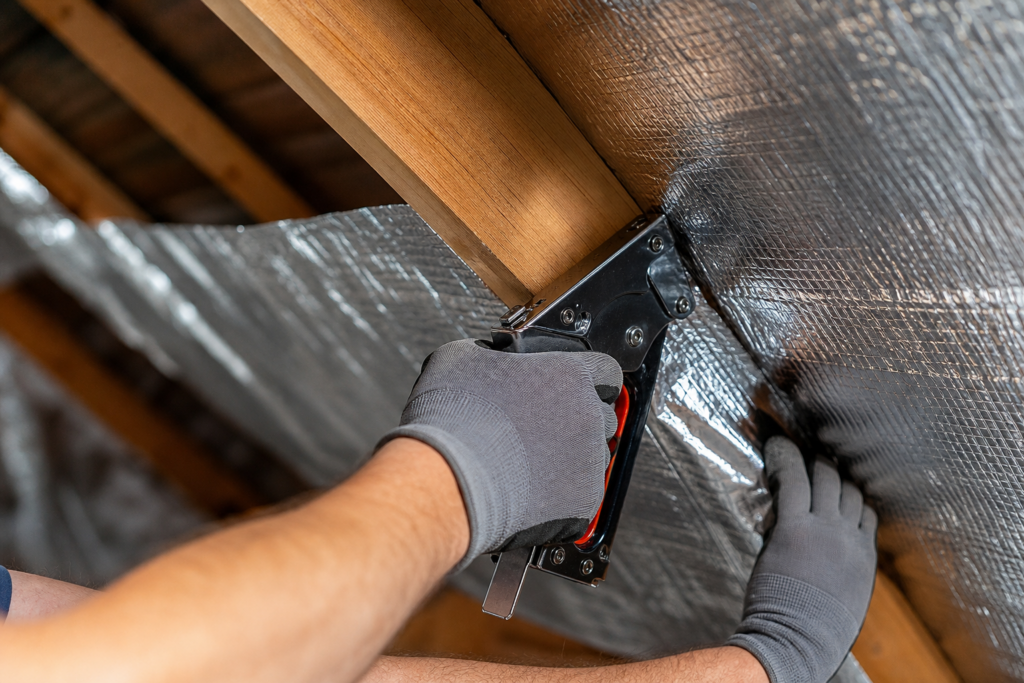
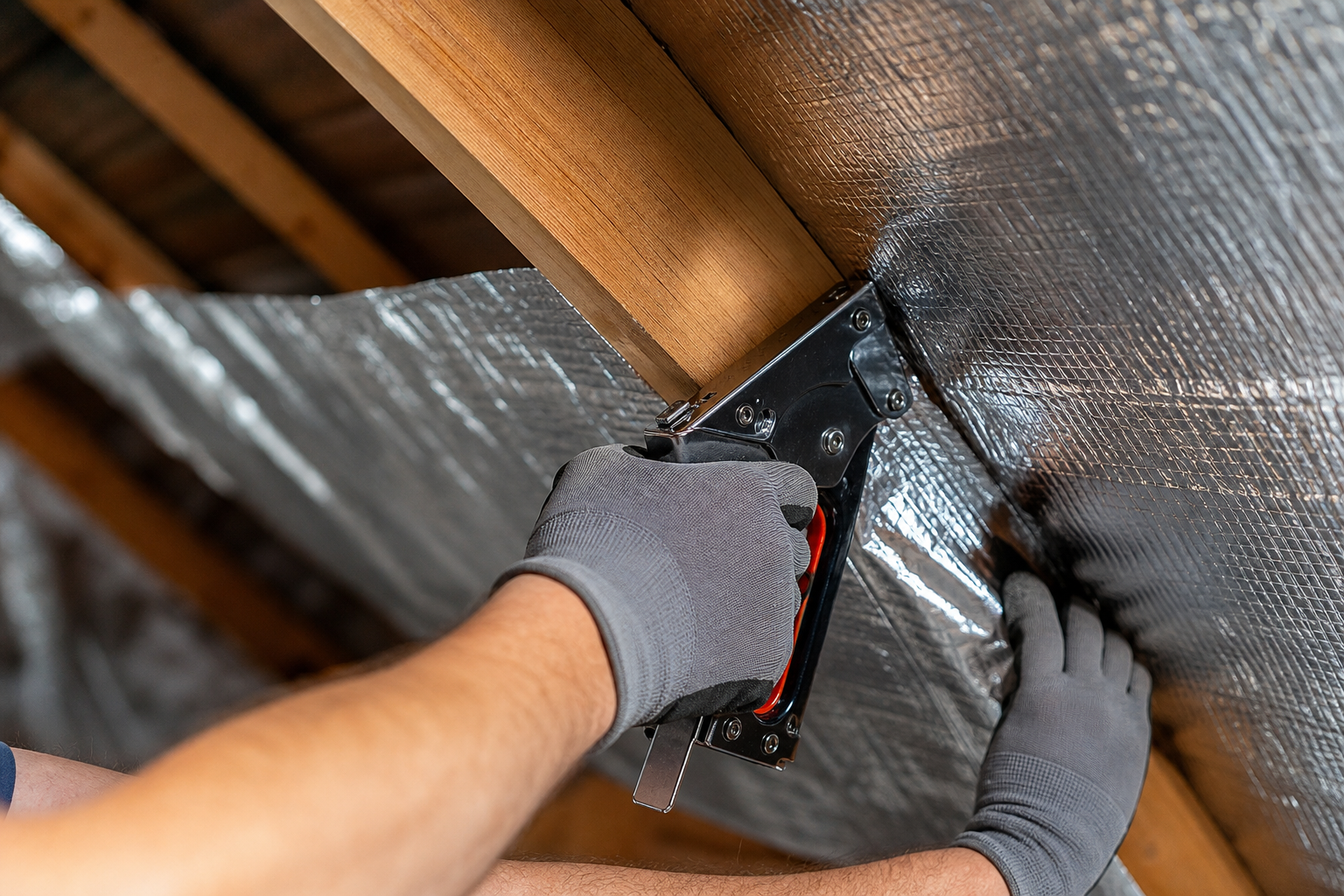
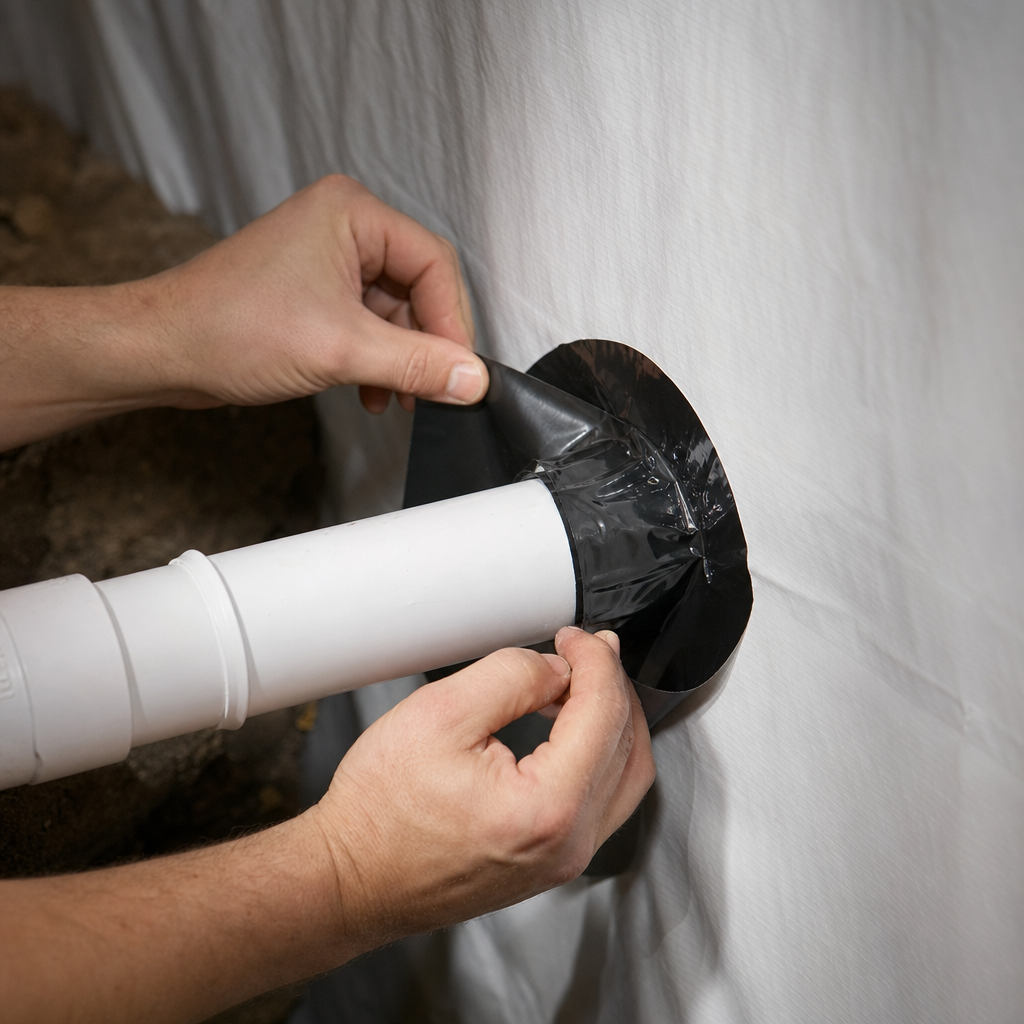
Professionals bring specialized tools, heavy-duty materials, and the experience needed to seal complex areas. A proper installation requires wrapping the barrier tightly around concrete piers, support columns, and plumbing pipes, and sealing it to the foundation walls. If these penetrations aren’t sealed with professional-grade mastic or specialty tape, the barrier will fail. By hiring certified professionals, you get a system that meets local building codes, passes municipal inspections, and stands up to years of foot traffic from plumbers or pest control technicians.
| Feature | Super Green Insulation Austin | Typical DIY / Handyman |
|---|---|---|
| Materials | Heavy-duty reinforced barrier | Thin, easily torn retail plastic |
| Technicians | Licensed, bonded, background-checked | Uncertified, uninsured labor |
| Sealing | Gas-tight precision around pipes | Loose tape and gaps |
How Do I Find the Best Vapor Barrier Installers in Austin?
Finding the right contractor in the Austin metro area requires verifying local experience, checking reviews, and demanding a physical on-site inspection. Reputable contractors must evaluate your specific site conditions in person rather than offering sight-unseen estimates over the phone.
What to Look For in a Local Insulation Contractor
Austin’s unique climate demands specialized moisture management strategies. When evaluating local teams, prioritize these three credentials:
- Deep Local Experience: Choose a team like Super Green Insulation Austin, which claims over a decade of hands-on expertise solving Central Texas humidity issues (note that these experience claims are based on the company’s own marketing, as independent verification is not available).
- Proper Licensing and Insurance: Ensure the team is fully licensed, bonded, and insured to protect your property during the installation process.
- Comprehensive Warranties: Look for contractors who stand behind their craftsmanship and materials, whether they are installing a standard floor barrier or a full crawl space seal.
Red Flags to Avoid When Hiring
Be cautious of contractors who provide a binding estimate over the phone without crawling under your home first. A professional must physically inspect the foundation for existing rot, standing water, and pests before scoping the work. Additionally, avoid uncertified handymen who use thin, non-permeable retail plastics instead of durable, commercial-grade membranes designed to withstand the harsh Texas environment.
Frequently Asked Questions About Moisture Barrier Installation
Understanding the timeline, materials, and benefits of moisture control helps Austin homeowners protect their property investments. Most standard residential projects are completed in one to two days, providing immediate protection against rising soil dampness and high humidity.
How much does professional vapor barrier installation cost?
On average, professional installation in Austin ranges from $500 to $1,500 for standard vapor barrier applications and $900 to $2,200 for pier-and-beam crawl spaces. The final price depends on crawl space size, accessibility, prep work, and the thickness of the barrier material used.
Do I need a vapor barrier in my crawl space or basement?
Yes. If you live in a humid climate like Austin, a vapor barrier is highly recommended. It blocks ground moisture from rising into your floor joists, preventing structural wood rot, mold growth, and pest infestations while stabilizing indoor humidity.[5]
What is the difference between crawl space encapsulation and a vapor barrier?
A vapor barrier is a baseline defense covering only the crawl space floor to block rising ground moisture. Crawl space encapsulation is a complete sealing process that covers the floor, walls, and vents, and often includes a dehumidifier to fully control the indoor environment.
How do I find the best vapor barrier installers in Austin?
Look for licensed, bonded, and insured contractors with deep local experience in Central Texas. Always demand an on-site physical inspection and written estimate rather than a quote over the phone.
How long does the installation process typically take?
Most standard residential projects take one to two days. This timeline can vary if the crawl space requires extensive prep work, such as standing water extraction, debris removal, or mold remediation.
What are the benefits of hiring a professional vs. a DIY installation?
Professional installers use heavy-duty, reinforced materials (10 to 20 mil) and specialized sealing tapes that retail stores do not carry. They also ensure a tight seal around complex areas like columns and pipes while keeping you safe from crawl space hazards like mold and pests.
Rather than relying on uncertified handymen, trust certified local vapor barrier installers. Contact Owner Tom Hopkins and the team at Super Green Insulation Austin to schedule your free crawl space inspection and get an upfront, transparent estimate today.
Sources
- Vapor Barrier Installation Cost Guide 2026 – new.risingsunartscentre.org (2026)
- Vapor Barriers Market Size & Share, Forecast, 2035 – gminsights.com (2035)
- Competitor Landscape – marketintelo.com (2034)
- Global and European Vapor Barriers Market Outlook 2025–2035 | The – natlawreview.com (2035)
- Vapor Barrier Market Size, Share & Growth Report 2035 – marketresearchfuture.com (2035)
Related reading: Crawl Space Moisture Barrier Cost: Cut Surprises Before You Sign
Related reading: Crawl Space Encapsulation Price – Get a Clear Quote, Not a Guessing Game
Related reading: How to Price Insulation Installation Without Surprises
Frequently Asked Questions
How long does a professional crawl space vapor barrier last before it needs to be replaced?
While cheap retail plastic can degrade or tear within a year, a professional-grade 10 to 20 mil vapor barrier installed by Super Green Insulation Austin can last 20 years or more. Its longevity depends on local soil movement and the level of foot traffic from maintenance technicians. You can contact Super Green Insulation Austin to evaluate your current barrier and ensure your home remains protected.
Can a vapor barrier be installed directly over existing crawl space mold?
No, installing a barrier over active mold will trap moisture and accelerate wood rot in your home's framing. Any existing mold must be thoroughly remediated and the wood dried before Super Green Insulation Austin installs the new commercial-grade membrane. Our technicians assess these prep work needs during your initial crawl space inspection to ensure a safe, long-lasting installation.
Will installing a vapor barrier fix hardwood floors that are already cupping or warping?
A vapor barrier stops the upward migration of ground moisture, which allows the subflooring to dry and can sometimes help slightly cupped hardwood floors flatten back down over time. However, severe structural warping may require professional floor repair even after the moisture source is controlled. Super Green Insulation Austin can evaluate your crawl space to stop further moisture damage before your floors suffer permanent ruin.
About the author
 |
Marcus Donovan Marcus Donovan is a certified energy auditor and home performance specialist with over 12 years of experience in the Austin construction industry. He holds a Bachelor of Science in Construction Management from Texas State University and focuses on residential and commercial energy efficiency. His practical knowledge covers everything from attic insulation retrofits to complex moisture control systems. |
Get started
Call Now - Free EstimateNeed Insulation Help?
Call Super Green Insulation Austin — licensed & insured, here with fast after-hours help in Austin.
(866) 434-2901