
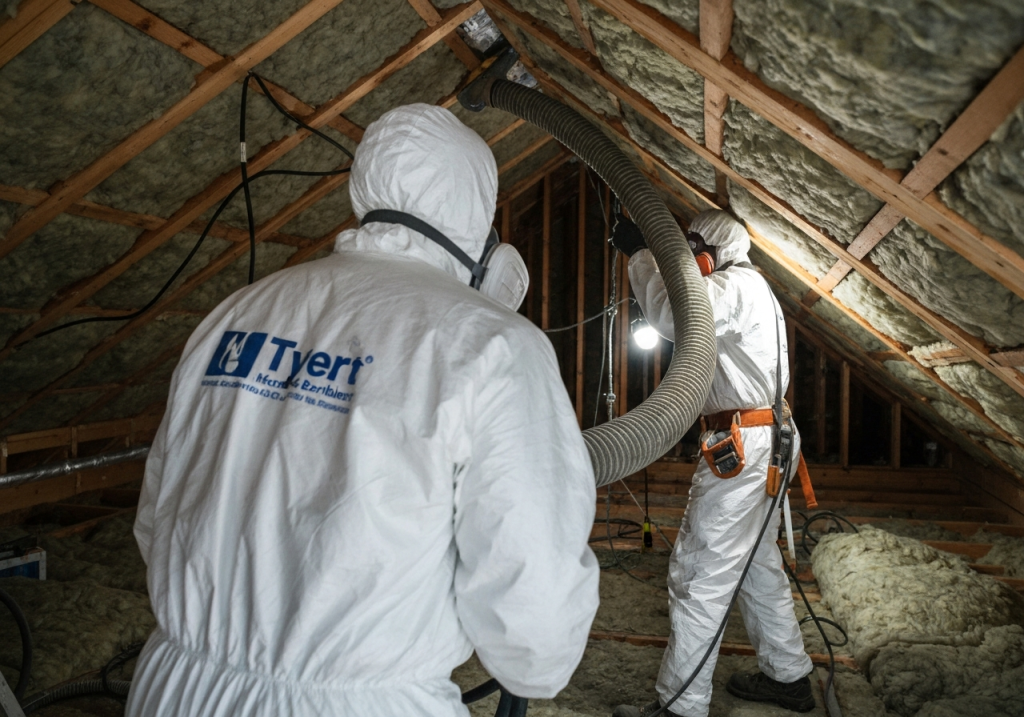
Insulation Services in Northwest Austin, TX
There’s a pattern local energy auditors talk about constantly in neighborhoods like Cat Mountain and River Place: a contractor accesses the highest attic hatch, installs insulation, and calls the job done — while two lower-tier attic volumes carved into the hillside grade sit completely untouched and uninsulated. The result is a home that still bakes in August and hemorrhages heat in January, no matter how high the thermostat climbs. At Super Green Insulation Austin, we’ve been solving exactly this kind of problem in Northwest Austin since 2010. Tom Hopkins and our crew know these hillside builds intimately. Call us at (866) 434-2901 — we typically respond the same day.
Why Northwest Austin Homeowners Choose Super Green Insulation Austin
With 784 verified reviews averaging 4.9 out of 5 stars, our reputation in Northwest Austin isn’t built on marketing — it’s built on showing up, knowing what we’re looking at, and finishing the job right. Homeowners in Great Hills and Balcones have trusted us for over a decade because we understand that a split-level custom home on a limestone ridge has nothing in common with a flat-lot new build. Tom Hopkins has personally overseen hundreds of insulation projects in the 78730, 78731, and 78759 zip codes, and that hands-on experience is why our crews don’t miss the lower attic cavities that so many other contractors leave cold. We’re locally based, we answer our phones, and we stand behind every job.
Insulation Services We Offer in Northwest Austin
Insulation Installation
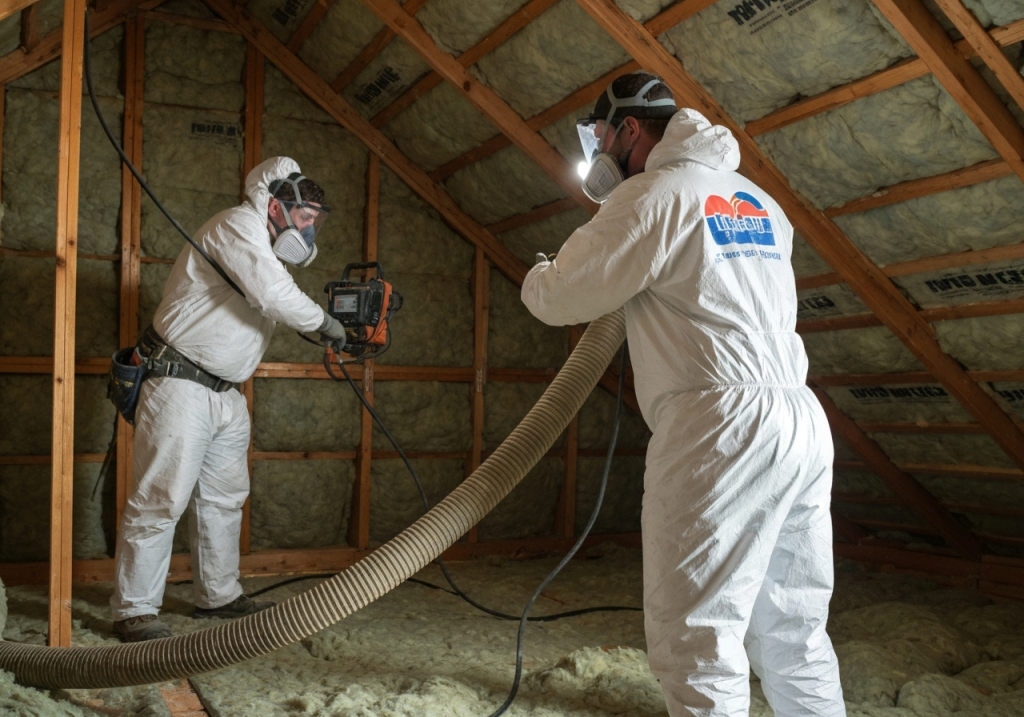
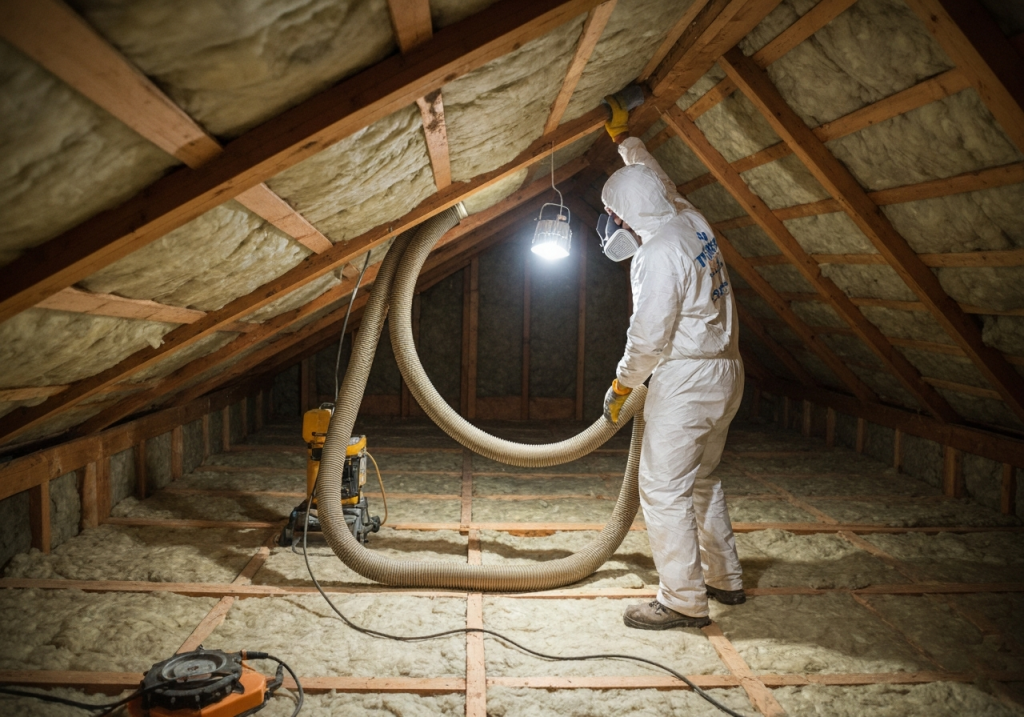
Whether your home needs blown-in fiberglass, spray foam, or batt insulation, we match the material to your home’s specific structure and performance goals. In Northwest Austin’s vaulted, multi-cavity homes, that selection process matters more than it does almost anywhere else in the metro — using the wrong product in the wrong cavity is how energy bills stay stubbornly high. We work with trusted brands including Owens Corning, Johns Manville, Knauf, Rockwool, CertainTeed, and GreenFiber, so we’re never locked into a single solution.
Learn more about our Insulation Installation in Northwest Austin.
Attic & Crawl Space Restoration
Old, compressed, or rodent-damaged insulation doesn’t just underperform — it can harbor allergens and moisture that degrade your air quality and your home’s structure over time. For the pier-and-beam and split-level foundations common throughout Northwest Austin’s 1980s–90s housing stock, crawl space restoration is just as critical as attic work, and we handle both under one scope so nothing gets missed. We use Icynene and Demilec spray foam products where air-sealing precision is the priority.
Learn more about our Attic & Crawl Space Restoration in Northwest Austin.
Moisture & Radiant Barriers
Sitting on the Balcones Escarpment means Northwest Austin attics regularly exceed 150°F in peak summer — a thermal load that makes radiant barrier installation one of the highest-ROI upgrades available to homeowners here. We also install vapor and moisture barriers for crawl spaces and lower attic zones where limestone soil and hill-country humidity create conditions that flat-lot homes in East Austin simply don’t face at the same intensity.
Learn more about our Moisture & Radiant Barriers in Northwest Austin.
Neighborhoods We Serve in Northwest Austin
Our crews are on the road in Northwest Austin daily, which means response times are typically same-day to next-day across the entire service area. We know the residential streets, the lot grades, and the construction quirks of this part of Austin better than most — and that familiarity translates directly into faster, more accurate project scoping.
- River Place
- Cat Mountain
- Great Hills
- Balcones
- Arboretum
Whether you’re off Loop 360, near the MoPac/183 corridor, or tucked into one of the canyon-side streets in the 78730 or 78731 zip codes, we cover it.
Why Northwest Austin’s Climate & Housing Affect Insulation
Northwest Austin’s housing stock — concentrated in zip codes 78730, 78731, and 78759 and built largely between 1975 and 1998 as the tech corridor along Highway 183 and MoPac expanded outward — is genuinely unlike what you’ll find in the rest of the Austin metro. These homes were custom and semi-custom builds cut into the Balcones Escarpment, which means stepped rooflines, canyon-view western glass walls, vaulted ceilings, and foundations that follow the limestone topography rather than sitting on level ground. The practical consequence is that most homes in Cat Mountain, River Place, and Great Hills have three or four separate, disconnected attic volumes — and leaving even one of them unaddressed creates a thermal leak that no amount of HVAC capacity can fully compensate for. Add the northwest “blue norther” cold fronts that hit this elevated ridge harder than Austin’s flatter eastern neighborhoods, plus attic temperatures that routinely crack 150°F in July and August, and the insulation demand here is genuinely dual-season in a way that changes both the R-value targets and the product recommendations. We specify R-38 to R-60 for attics in Northwest Austin, and we almost always pair that with a radiant barrier — a combination that’s less universally necessary in shadier, lower-elevation parts of the city.
Pricing for Insulation in Northwest Austin
Insulation costs in Northwest Austin reflect the real complexity of hillside construction. For a straightforward attic top-up with blown-in fiberglass or cellulose, most homeowners in the 78759 or 78731 zip codes spend between $1,200 and $2,800, depending on attic square footage and current R-value. Homes in Cat Mountain or River Place with multiple disconnected attic cavities typically run $2,500 to $5,500 for a full air-seal-and-insulate scope, because each cavity requires individual access and sealing. Spray foam applications for vaulted ceiling bays or crawl spaces start around $1.50 to $3.00 per board foot. Radiant barrier installation ranges from $800 to $1,800 for a typical single-story attic footprint. We provide written estimates before any work begins — no surprises on the final invoice.
Service Area — Cities Near Northwest Austin
Our work extends well beyond Northwest Austin. We also serve homeowners and businesses in Downtown & Central Austin, East Austin, South Austin, North Central Austin, Southwest Austin, West Lake Hills, Del Valle, and McNeil (Pflugerville Area) — same experienced crews, same standard of work.
Serving Northwest Austin, TX — Our Local Coverage Area
We’re based in the Northwest Austin area and know this community well. Use the map below to see our service coverage — if you’re nearby, we can almost certainly help.
FAQs About Insulation in Northwest Austin
Homes in Northwest Austin built into the Balcones Escarpment — particularly in neighborhoods like Cat Mountain, River Place, and Great Hills — follow the hillside grade, which creates stepped, tiered rooflines with separate shed or gable roof sections over each living level. Each of those roof sections covers its own attic cavity, and they’re often not connected. A garage level, a main living level, and an upper bedroom level might each sit under a distinct roof with its own attic volume, all requiring individual air-sealing and insulation to perform correctly.
Most Northwest Austin attics should target between R-38 and R-60, with higher values recommended for homes on exposed ridge lots in the 78730 and 78731 zip codes that take the full force of summer sun and winter blue northers. The elevated position on the Balcones Escarpment means both heat gain and heat loss are more intense here than in lower-elevation Austin neighborhoods, which is why we typically recommend exceeding the state minimum code requirement.
Yes — radiant barriers deliver a strong return on investment specifically in Northwest Austin because attic temperatures here regularly exceed 150°F in summer, driven by the unobstructed sun exposure and limited natural shading on hillside lots. A properly installed radiant barrier can reduce attic temperatures by 20–30°F and meaningfully cut cooling loads during the months when Austin electricity bills are at their peak. It’s one of the upgrades Tom Hopkins recommends most consistently for homes in this part of the city.
Most insulation materials last 20–30 years under normal conditions, but the extreme attic temperatures common in Northwest Austin — regularly above 140°F to 150°F from June through September — accelerate the degradation of certain batt products and cause blown-in fiberglass to settle faster than it would in a milder climate. If your home’s insulation was installed in the 1990s, which is true for a large share of the 78759 and 78731 housing stock, it’s almost certainly underperforming by current standards and worth a professional assessment.
Adding blown-in attic insulation typically does not require a permit in the City of Austin jurisdiction that covers most of Northwest Austin’s 78730, 78731, and 78759 zip codes. However, spray foam applications that change the conditioned envelope of the structure, or crawl space encapsulations that alter vapor management, may require a building permit depending on scope. We review permitting requirements during the estimate process and handle filing on your behalf when a permit is needed — you don’t have to navigate the city’s permitting portal on your own.
Written by the team at Super Green Insulation Austin, serving Northwest Austin since 2010.
What happens when you call
- 1A real person answersNo phone trees — talk to a local insulation pro.
- 2You get an upfront price rangeHonest numbers before anyone is dispatched. No surprises.
- 3A background-checked tech heads outLicensed & insured, typically same-day.
- 4You approve before work beginsNothing starts until you say go.
Recent Insulation Jobs in Austin
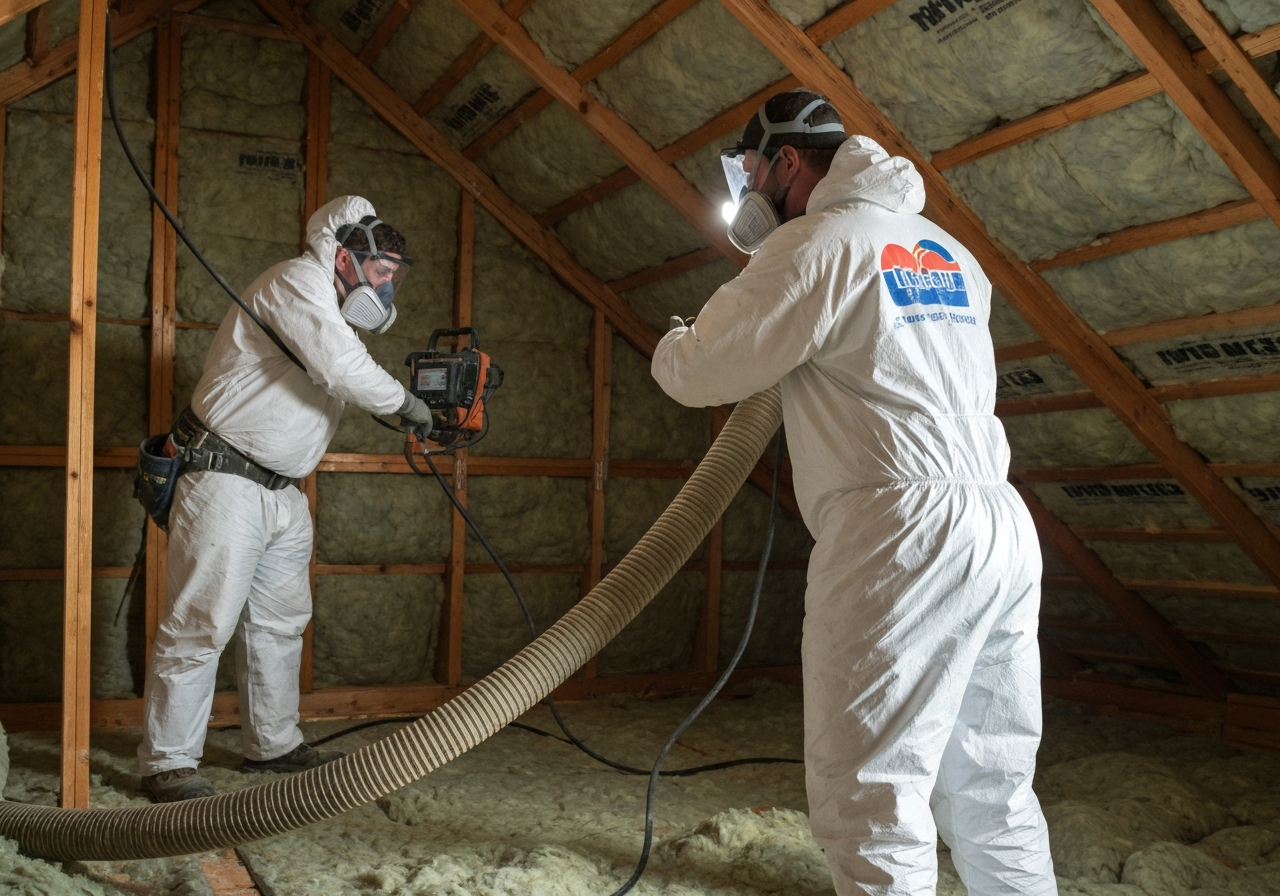
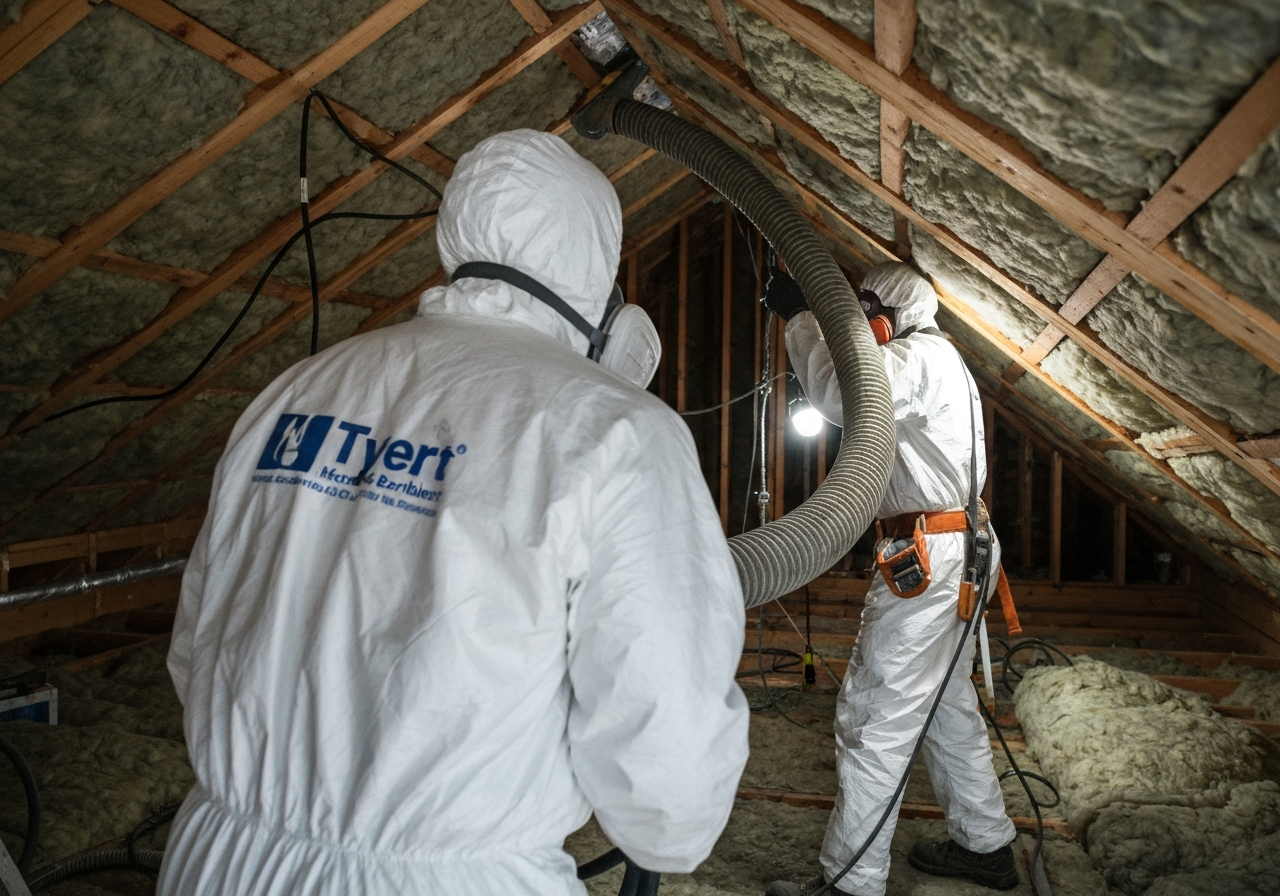
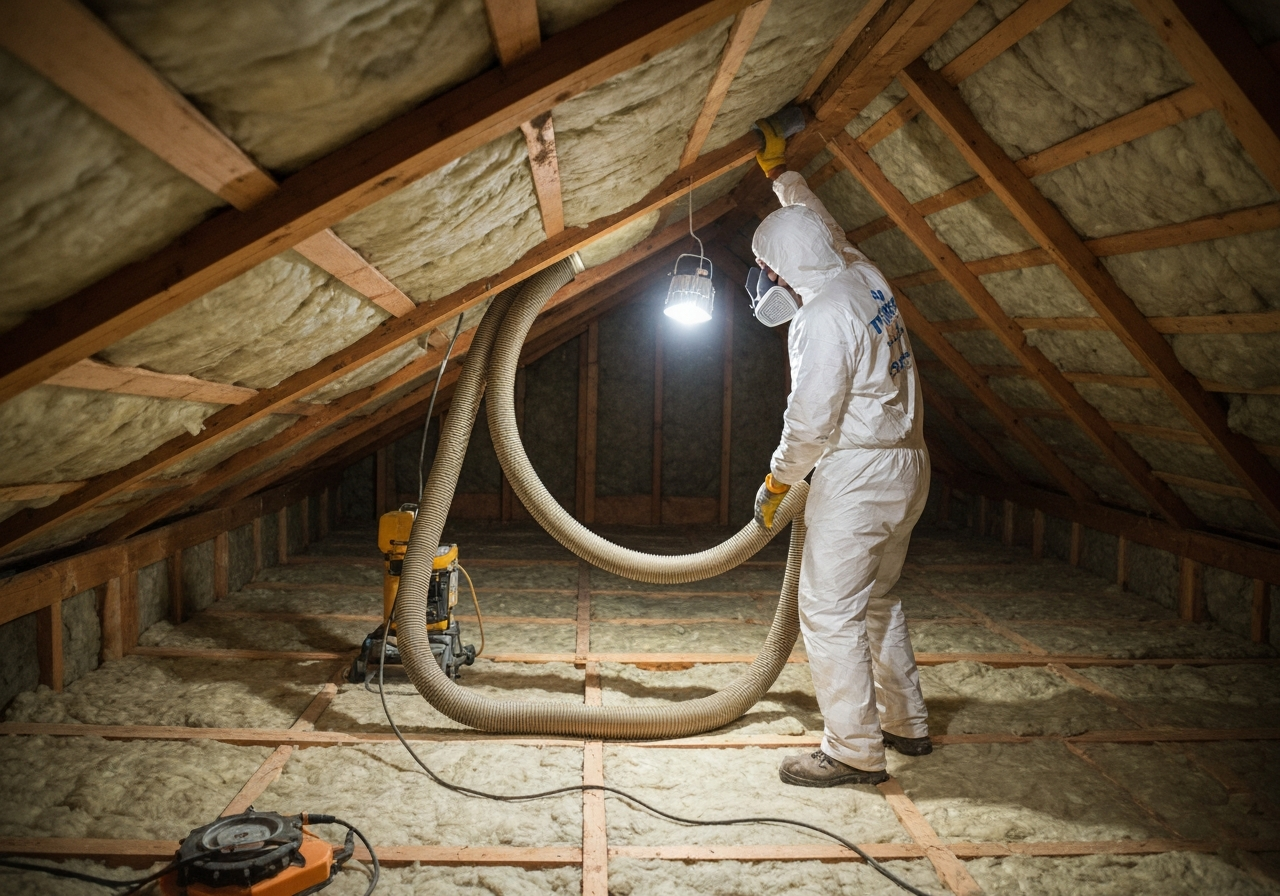
A sample of recent local work — real jobs, done right.
What Austin Customers Say
"Showed up fast, fixed it right the first time, and the price matched the quote. Couldn't ask for more."
— Verified local homeowner"Professional from the first call. Explained everything clearly and left the area spotless."
— Verified local homeowner"Called in the morning, problem solved by afternoon. Honest, upfront pricing — highly recommend."
— Verified local homeowner