
Quick Summary
Excessive indoor humidity in Texas homes typically stems from exterior vapor penetrating unsealed attic bypasses and pier-and-beam crawl spaces, which overburdens cooling systems and compromises indoor comfort. Super Green Insulation Austin highlights that permanent moisture control requires structural remediation, including thermal envelope air sealing, vapor barrier installations, and crawl space encapsulation. Homeowners will understand how targeted ventilation, HVAC optimization, and professional moisture inspections work together to maintain balanced relative humidity levels.
Reducing Indoor Humidity: Fast Texas Home Solutions
High indoor moisture makes Texas homes feel sticky and forces air conditioning systems to work overtime. While adjusting cooling settings or running portable dehumidifiers can help, true climate control requires stopping outdoor water vapor before it reaches your living spaces. According to the EPA, managing indoor humidity involves using air conditioning or dehumidifier settings properly while systematically reducing excess moisture throughout the building structure.[4]
Super Green Insulation Austin specializes in thermal envelope sealing, spray foam retrofits, and crawl space encapsulation to stabilize indoor climates. If your home struggles with muggy rooms or uneven temperatures, a targeted on-site assessment can pinpoint exactly where damp air gets inside.
What Causes High Moisture and How to Lower It Fast
What Causes High Moisture and How to Lower It Fast in brief: Excess indoor moisture typically stems from outdoor air infiltration, unsealed crawl spaces, and daily living activities. Keeping indoor relative humidity within a commonly recommended range (generally between 30% and 50%, though the brief also reports evidence favoring 40% to 60% for some health outcomes) requires a combination of building envelope air sealing, dedicated exhaust ventilation, and steady HVAC dehumidification cycles.[2]
Central Texas weather brings intense heat and substantial humidity. When outdoor air slips through unsealed attics or vented crawl spaces, indoor humidity climbs quickly. A peer-reviewed review found that respiratory infections and absenteeism were generally lower in environments with mid-range relative humidity than in low or high humidity conditions. Maintaining balanced air moisture directly protects both building materials and indoor health.[3]
Core Root Causes of Indoor Humidity
Outdoor water vapor travels along pressure paths into conditioned spaces. In hot weather, humid air in vented attics pushes down through recessed lighting, wiring holes, and unsealed wall tops. In pier-and-beam homes, ground moisture evaporates straight upward through wooden subfloors. Without physical barriers, this constant vapor drive overwhelms air conditioning equipment.
Key Takeaways for Immediate Moisture Control
- Envelope Air Sealing: Close attic bypasses, plumbing chases, and drywall gaps to block humid air from dropping into living areas.
- Subfloor Vapor Control: Install thick ground vapor barriers to keep damp soil in crawl spaces from migrating into flooring.
- Source Ventilation: Direct bathroom steam and cooking vapors outdoors with dedicated exhaust fans before moisture spreads.
Quick Comparison: Moisture Control Methods and Effectiveness
Lowering indoor humidity works best when addressing the structural sources of moisture rather than relying solely on plug-in appliances. Portable units offer quick, localized relief, but structural improvements prevent exterior vapor from continuously entering the home.
| Moisture Control Method | Long-Term Result | Energy Impact | Speed |
|---|---|---|---|
| Building Envelope Sealing | Permanent vapor reduction | Lowers HVAC workload | 1-2 days |
| Crawl Space Encapsulation | Stops ground moisture migration | Reduces duct condensation | 2-3 days |
| Portable Dehumidifiers | Localized room relief | May increase electric bills | Immediate |
| HVAC Adjustments | Moderate room control | Depends on system capacity | 1 day |
Structural Solutions vs. Portable Fixes
Running a mechanical dehumidifier without air sealing is like running an air conditioner with the windows cracked. In Central Texas, mechanical dehumidification often falls short because humid attic air constantly refills living spaces through hidden framing leaks. Decoupling the attic from the living quarters creates an airtight boundary, allowing cooling equipment to dehumidify effectively without constantly fighting incoming outdoor vapor.
1. Air Seal Attic Bypass Leaks and Thermal Envelopes
Need reducing indoor humidity?
We’re available now — call for a fast, free estimate.
Sealing attic air leaks is widely recommended as a direct way to help reduce indoor humidity. Unconditioned attic air carries heavy moisture loads during southern summers. When top plates, wire drops, and plumbing vents have open gaps, that muggy air can drift down into interior walls and living areas.
Stopping Unconditioned Air Infiltration
Standard soffit and ridge vents are designed to draw outdoor air through the attic to vent heat. However, if the ceiling drywall below is not sealed airtight, pressure differences created by exhaust fans or HVAC cycles can pull hot, moist air into the home. Building specialists generally recommend closing these pathways with expanding foam and commercial sealants before adding insulation.
Attic-to-Living Space Decoupling
Separating the attic climate from your living area generally involves the following recommended steps:
- Inspect the attic floor for thermal bypasses around can lights, chimney chases, and interior partition walls.
- Apply fire-rated sealants and foam barriers to close structural penetrations.
- Ensure ductwork running through unconditioned space is sealed at all joints and boots.
Super Green Insulation Austin conducts detailed envelope assessments across Central Texas to locate and seal these hidden attic leaks.
2. Install Spray Foam or Vapor Barriers
Spray foam insulation can help control moisture when it creates a tighter air barrier, but it is not a complete solution on its own. Closed-cell spray foam forms an effective barrier against both heat flow and vapor movement, making it well-suited for high-humidity climates when paired with overall moisture management.
Open-Cell vs. Closed-Cell Spray Foam Moisture Resistance
| Feature | Open-Cell Foam | Closed-Cell Foam |
|---|---|---|
| Moisture Permeability | Vapor-permeable (allows drying) | Vapor-impermeable (acts as a vapor retarder) |
| Optimal Application | Interior partition walls and conditioned attics | Roof decks, exterior walls, and damp crawl spaces |
Creating a Thermal Barrier
When warm, moist air contacts cold interior surfaces, condensation can form, encouraging mildew and dust mites. Installing spray foam creates a continuous thermal boundary that stabilizes surface temperatures throughout the home. This barrier helps keep indoor spaces dry and easier to cool during hot summer months.
3. Address Crawl Space Moisture with Encapsulation
In historic and pier-and-beam properties throughout Austin, damp crawl spaces are often considered a major contributor to elevated indoor humidity. Bare dirt floors can allow moisture to evaporate beneath the home, which may travel through floorboards and subflooring into living rooms and bedrooms.
Vapor Barrier Ground Covers
Encapsulation generally involves covering exposed soil with heavy-duty, puncture-resistant vapor retarders. Sealing the seams along the ground and up foundation walls is recommended to help block rising soil moisture, keeping wooden joists and subfloors drier.
Managing Crawl Space Moisture
Uncontrolled ground dampness can contribute to warped hardwood floors, musty odors, and deteriorated insulation under the floor deck. Adding continuous ground barriers is generally recommended to protect structural framing while reducing the moisture load entering the home from below.
4. Optimize HVAC Settings and Filtration
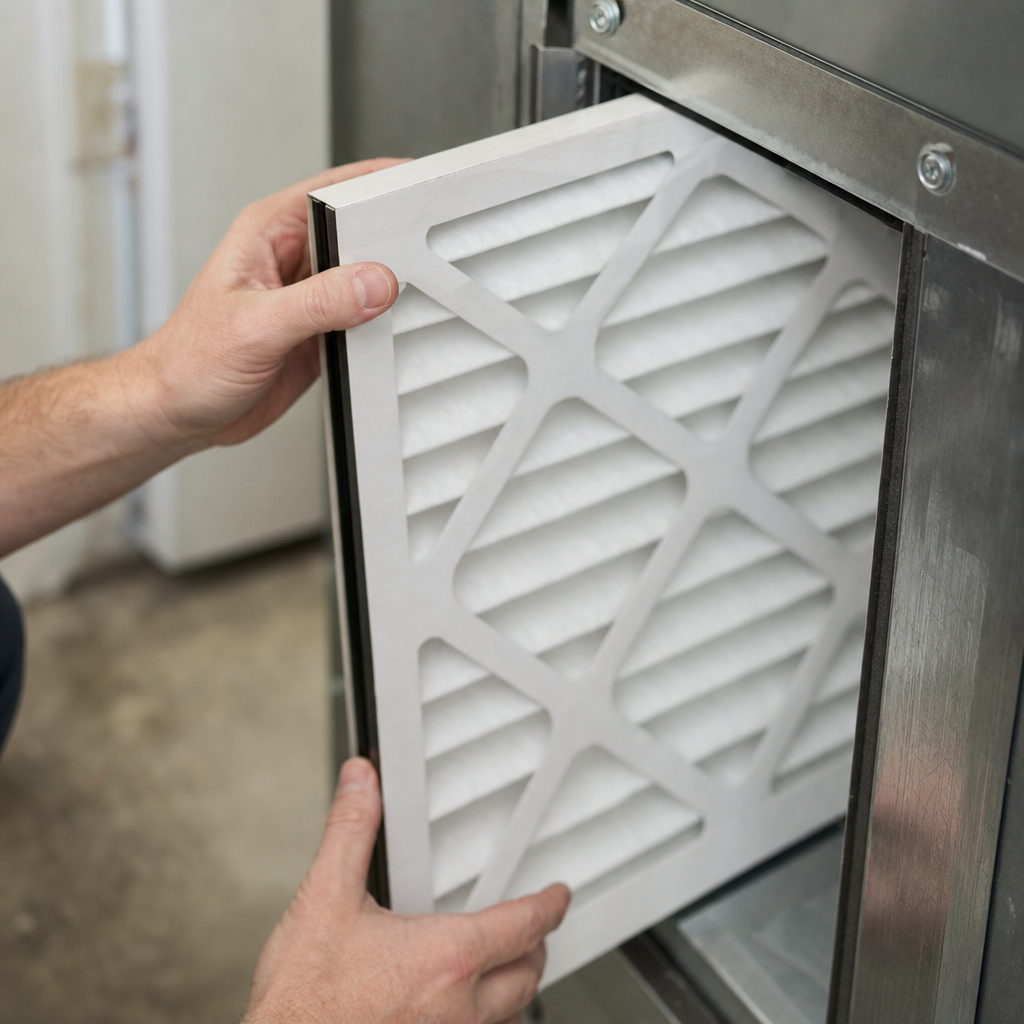
Your cooling system typically serves as the primary mechanical dehumidifier during warm months. Sizing, airflow settings, and clean filtration generally influence how effectively the system pulls water vapor out of indoor air during standard cooling cycles.
Avoiding Short-Cycling
An oversized air conditioner may cool a house down rapidly but shut off before completing a full dehumidification cycle. This short-cycling can leave the air cold and clammy. Ensuring equipment runs for longer, steady cycles is recommended to help remove airborne moisture effectively.
Setting Airflow for Dehumidification
Lowering the indoor blower fan speed slightly during humid periods is often recommended to allow air to stay in contact with cold evaporator coils longer, helping condense more moisture out of circulation. Changing air filters regularly is recommended to maintain smooth airflow across the coils, as restricted air movement can hinder moisture extraction.
5. Ventilate High-Moisture Zones with Dedicated Exhaust Fans
Need reducing indoor humidity?
We’re available now — call for a fast, free estimate.
Spot ventilation eliminates localized moisture before it diffuses into surrounding rooms. Bathrooms and kitchens generate substantial vapor loads that need immediate mechanical exhaust.
Kitchen and Bathroom Exhaust Best Practices
Routine cooking and showering release several pints of water into indoor air daily. Managing this moisture requires straightforward habits:
- Turn on bathroom exhaust fans before starting showers, and run range hoods when boiling water or cooking.
- Let exhaust fans run for 15 to 20 minutes after bathing or cooking to vent residual steam completely outdoors.
Ensuring Exterior Vent Discharge
Exhaust ducts must vent directly to the outdoors through exterior walls or roof caps. If a bath fan vents straight into an attic, it dumps concentrated moisture into the insulation, which degrades thermal performance and often works its way back into the living space.
6. Manage Interior Daily Habits and Moisture Sources
Simple daily routines help prevent indoor humidity spikes, particularly during shoulder seasons when cooling systems run less frequently. Balancing everyday habits protects indoor comfort without extra energy costs.
Everyday Sources of Indoor Humidity
- Cover cooking pots: Place lids on pots and pans while simmering or boiling food to trap steam.
- Inspect dryer venting: Confirm that the clothes dryer vent pipe is securely connected and completely clear of lint obstructions leading outside.
- Group houseplants wisely: Water indoor plants moderately and place drainage trays underneath to avoid standing water pools.
- Track room levels: Keep a basic digital hygrometer in main living areas to monitor changes during different weather conditions.
7. Deploy Dedicated Mechanical Dehumidification for Spikes
Dedicated dehumidifiers remove excess humidity during mild, rainy days when the air conditioner rarely turns on. While a large office-building study reported that low relative humidity was common during work hours, especially in winter months, Texas homes frequently encounter the opposite problem during mild spring and fall periods: high indoor humidity without high heat.[1]
Whole-Home vs. Standalone Dehumidifiers
| System Type | Primary Application | Operational Efficiency Factor |
|---|---|---|
| Whole-Home Ducted | Centralized moisture control across all rooms during mild or humid weather. | Most efficient when attic penetrations are sealed so ductwork does not pull unconditioned attic air. |
| Standalone Portable | Targeted moisture extraction for specific rooms like basements or laundry spaces. | Provides quick spot relief but requires frequent water tank emptying. |
Pairing dedicated mechanical units with proper building envelope sealing ensures equipment removes moisture generated inside without wasting energy on outdoor vapor entering through ceiling leaks.
Frequently Asked Questions About Reducing Indoor Humidity
Cost, Timeline, and Professional Service Inquiries
What causes high indoor humidity in a house?
High indoor humidity is primarily caused by humid outdoor air entering through unsealed attic penetrations and crawl spaces, combined with indoor moisture from cooking, bathing, and unvented appliances. Inadequate air conditioning cycles can also leave moisture in the air.[5]
What is the ideal indoor humidity level for a home?
A relative humidity level between 30% and 50% is one commonly recommended target range, though evidence also favors 40% to 60% for some health outcomes. Keeping humidity in these balanced ranges discourages mold growth and dust mites while maintaining comfort.
How does proper attic insulation and air sealing reduce humidity?
Air sealing closes gaps around ceiling fixtures, wiring, and wall plates. This stops hot, moisture-heavy attic air from getting pulled down into living spaces, reducing the latent load on your HVAC equipment.
Can spray foam insulation help control moisture and humidity?
Spray foam can help control moisture when it creates a tighter air barrier, but it is not a complete solution on its own. Closed-cell spray foam provides a thermal and vapor barrier that helps stop humid air from penetrating roof decks, exterior walls, and crawl spaces.
How do you lower indoor humidity naturally without running the AC constantly?
You can reduce moisture by running spot exhaust fans during cooking and showering, covering boiling pots, maintaining dryer vents, and sealing attic and window air leaks to block outdoor vapor infiltration.
What are the signs of excessive humidity in crawl spaces and attics?
Common signs include musty odors, damp insulation, wood rot, warped flooring above pier-and-beam foundations, visible condensation on ductwork, and persistent indoor mugginess.
How much does professional air sealing and insulation cost?
Pricing varies based on home square footage, attic accessibility, and whether old insulation needs removal. Super Green Insulation Austin provides detailed on-site evaluations and upfront estimates across the Austin metro area.
Need reducing indoor humidity?
We’re available now — call for a fast, free estimate.
Sources
- INDOOR HUMIDITY LEVELS AND ASSOCIATIONS WITH … – pmc.ncbi.nlm.nih.gov (2024)
- Moisture Control – epa.gov (2013)
- Indoor humidity levels and associations with reported symptoms in office buildings – stacks.cdc.gov (2022)
- Indoor humidity levels and associations with reported symptoms in … – pubmed.ncbi.nlm.nih.gov
- Socioeconomic and Outdoor Meteorological Determinants of Indoor … – pmc.ncbi.nlm.nih.gov
Related reading: Lowering Humidity – Call Now-10% Off – Same-Day Service – Free Estimate
Related reading: Inside Home Humidity – 10% Off & Free Estimate – Same-Day Service
Related reading: Home Humidity Levels in Winter | Call Now-10% Off | Same-Day Service | Free Estimate
Frequently Asked Questions
How quickly does indoor humidity drop after professional air sealing and crawl space encapsulation?
Most homeowners notice balanced relative humidity levels within 24 to 48 hours once structural vapor barriers are in place and the HVAC system completes steady dehumidification cycles. Super Green Insulation Austin permanently stops humid outdoor air infiltration by sealing attic thermal bypasses and encapsulating damp pier-and-beam foundations.
How can I tell whether my indoor moisture problem comes from the attic or the crawl space?
Musty odors and cupped floorboards generally indicate ground moisture rising through unsealed subfloors, while stuffy upstairs rooms and ceiling vent condensation point to attic air leaks. Super Green Insulation Austin performs targeted moisture inspections across Central Texas to evaluate subfloors and thermal boundaries to identify the exact source of vapor intrusion.
Why is closed-cell spray foam preferred for moisture control in Texas crawl spaces?
Closed-cell spray foam functions as an impermeable vapor retarder that blocks both convective air movement and ground moisture penetration through subflooring. Because open-cell foam is vapor-permeable, closed-cell insulation provides the structural vapor defense needed to handle high-humidity Central Texas conditions.
About the author
 |
Marcus Donovan Marcus Donovan is a certified energy auditor and home performance specialist with over 12 years of experience in the Austin construction industry. He holds a Bachelor of Science in Construction Management from Texas State University and focuses on residential and commercial energy efficiency. His practical knowledge covers everything from attic insulation retrofits to complex moisture control systems. |